

Redefining Hard: A Series for PioneersinEurope.com
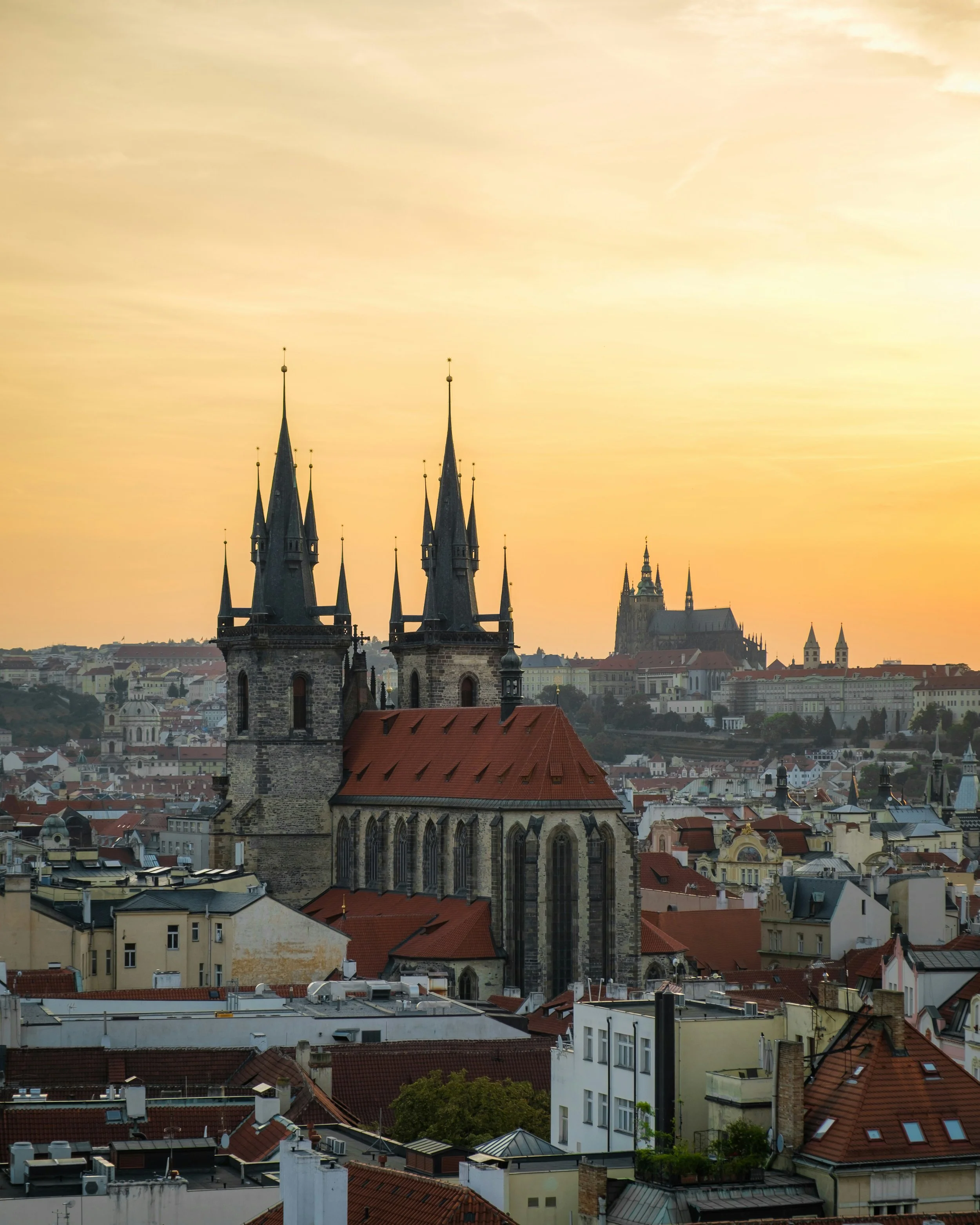
Across Europe, children grow up with historic churches on every corner. While it would be easy to assume this familiarity opens doors to spiritual conversations, it often does the opposite. For many, being surrounded by Christianity has actually become a barrier to hearing the Gospel.
“One of the biggest barriers in Italy is that many people feel they already know Christianity. We are surrounded by churches, crosses, religious festivals, saints, Christian art, and Christian language. Catholicism has been connected to Italian culture and family life for generations. So when you begin talking about Jesus or the Gospel, you are often not starting with someone who thinks, “I’ve never heard this before.” You are starting with someone who thinks, “I already know what this is.” — A Pioneer in Italy
These buildings and traditions can create a facade of reached people and open doors to Gospel conversations. Many who grow up in these environments observe sacraments and celebrate holidays as cultural duties, yet they never consider that these actions could flow out of a relationship with Jesus.
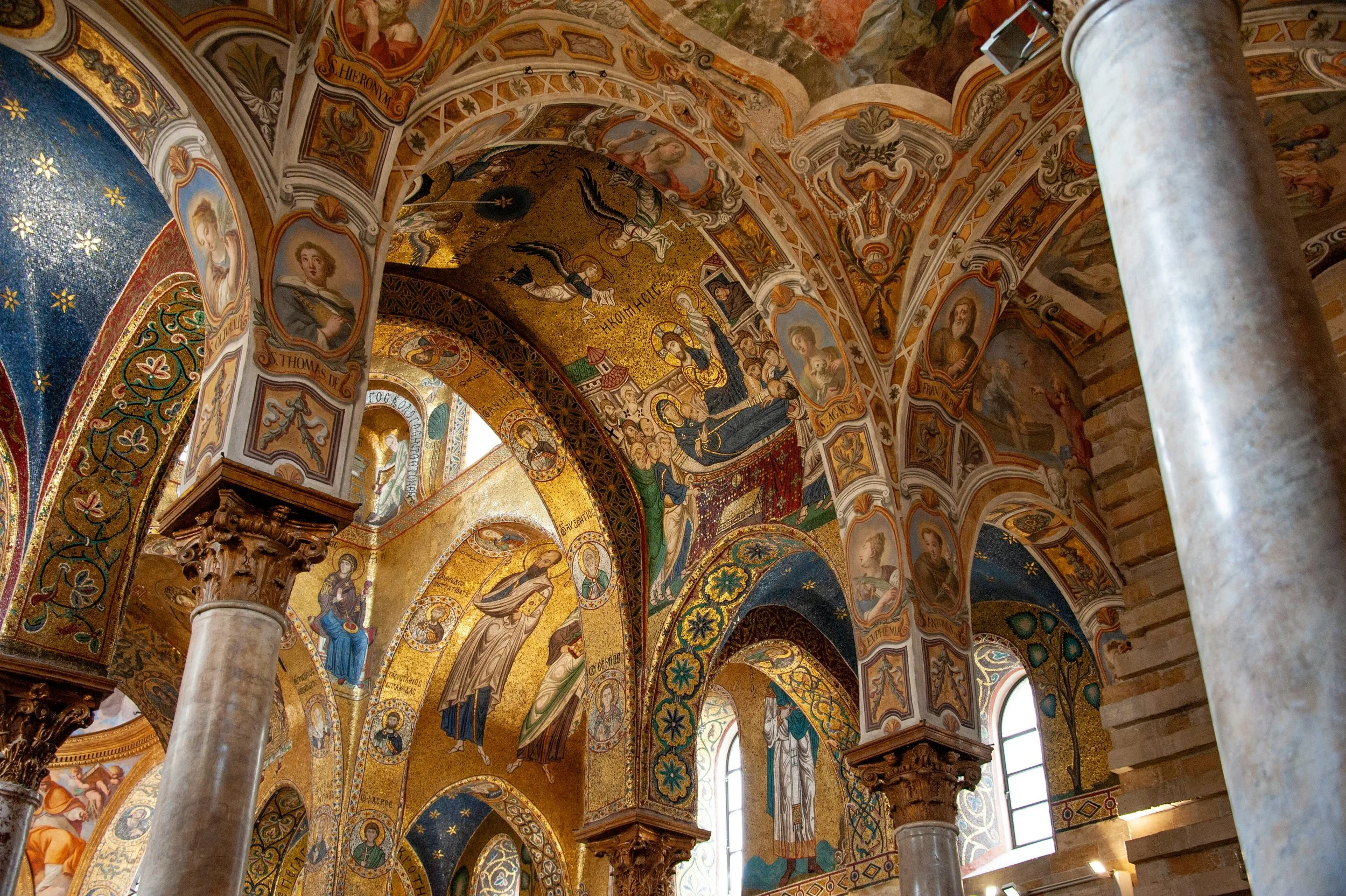
Cultural Identity
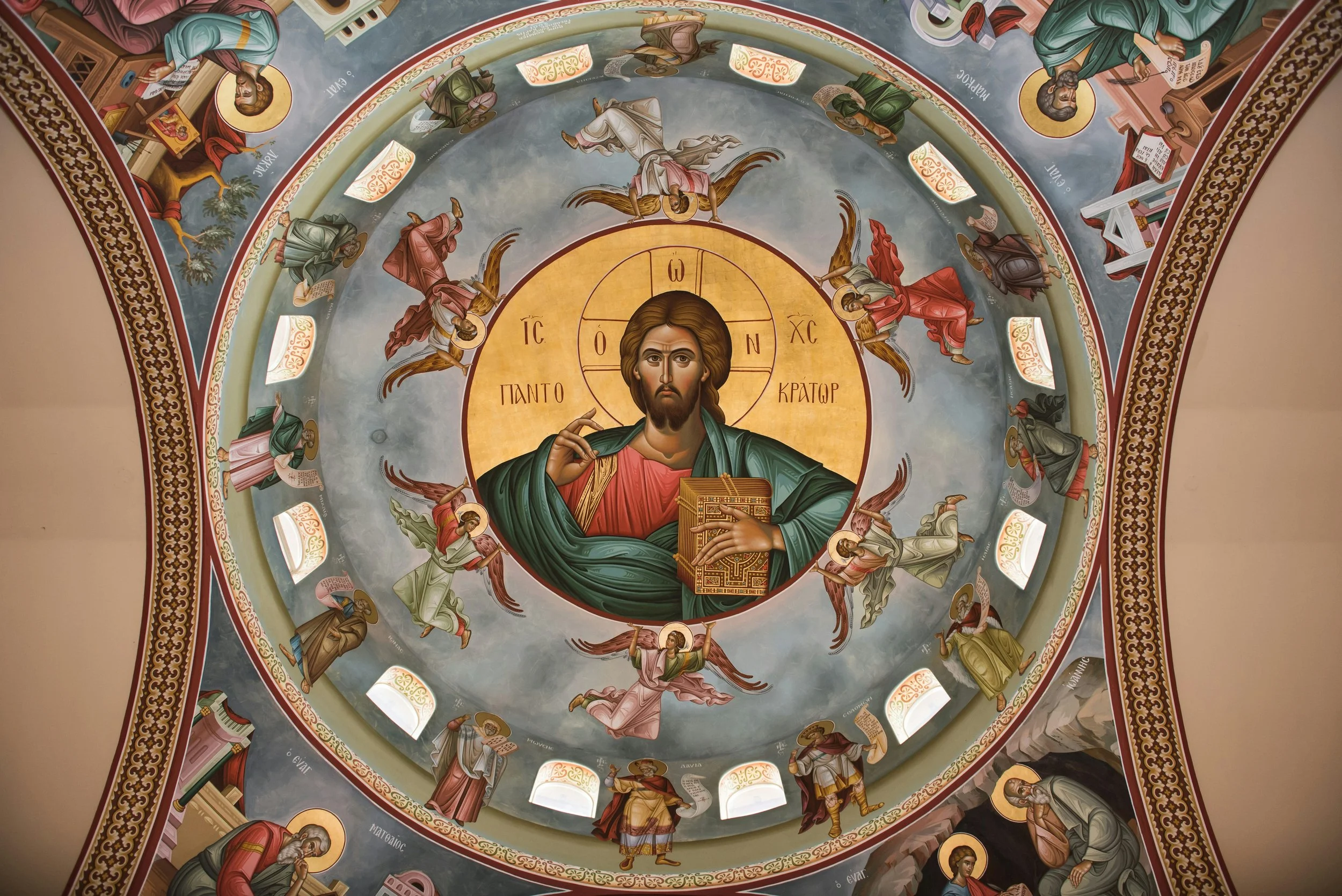
The traditions of the Catholic and Orthodox Churches are deeply woven into the national identity of countries like Italy, Poland, Greece, and Ukraine. From childhood baptisms to the icons and crucifixes in the family home, these symbols can create the false sense of a “full” faith. When someone feels they already know what Christianity is, they often see little reason to listen to an evangelical missionary’s presentation of the Gospel.
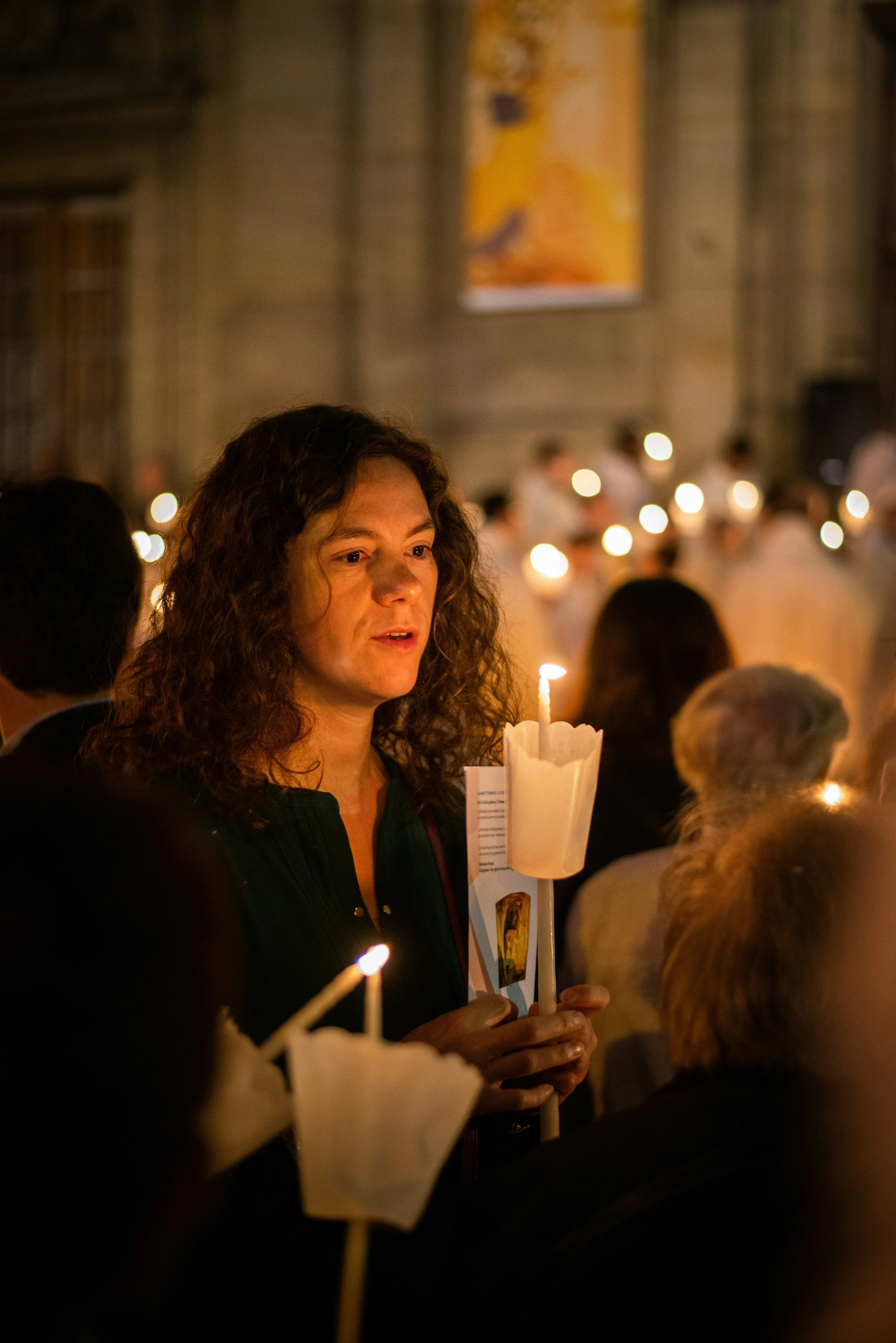
“One of the greatest issues is that the historical presence of Catholicism usually means that one is ‘Christian enough’ to ease their consciences. Even though most of them do not follow Christ in any observable or serious way, since most of them were baptised as children, there is a cultural assumption that they are simply heaven bound as a result of their baptism, apart from any personal conviction or trust in Christ to justify them by his death & resurrection. This is a very effective barrier to the gospel because it both shields them from a sense of need, & is often grounded in cultural traditions which go straight to their identity. To suggest they are not actually Christian is analogous to suggesting that they are not actually Polish, or Spanish, etc.” — A Pioneer in Poland
“So the Gospel can be dismissed before it has really been heard, because people assume they already know what you are offering—and that it would make their life smaller rather than fuller.”
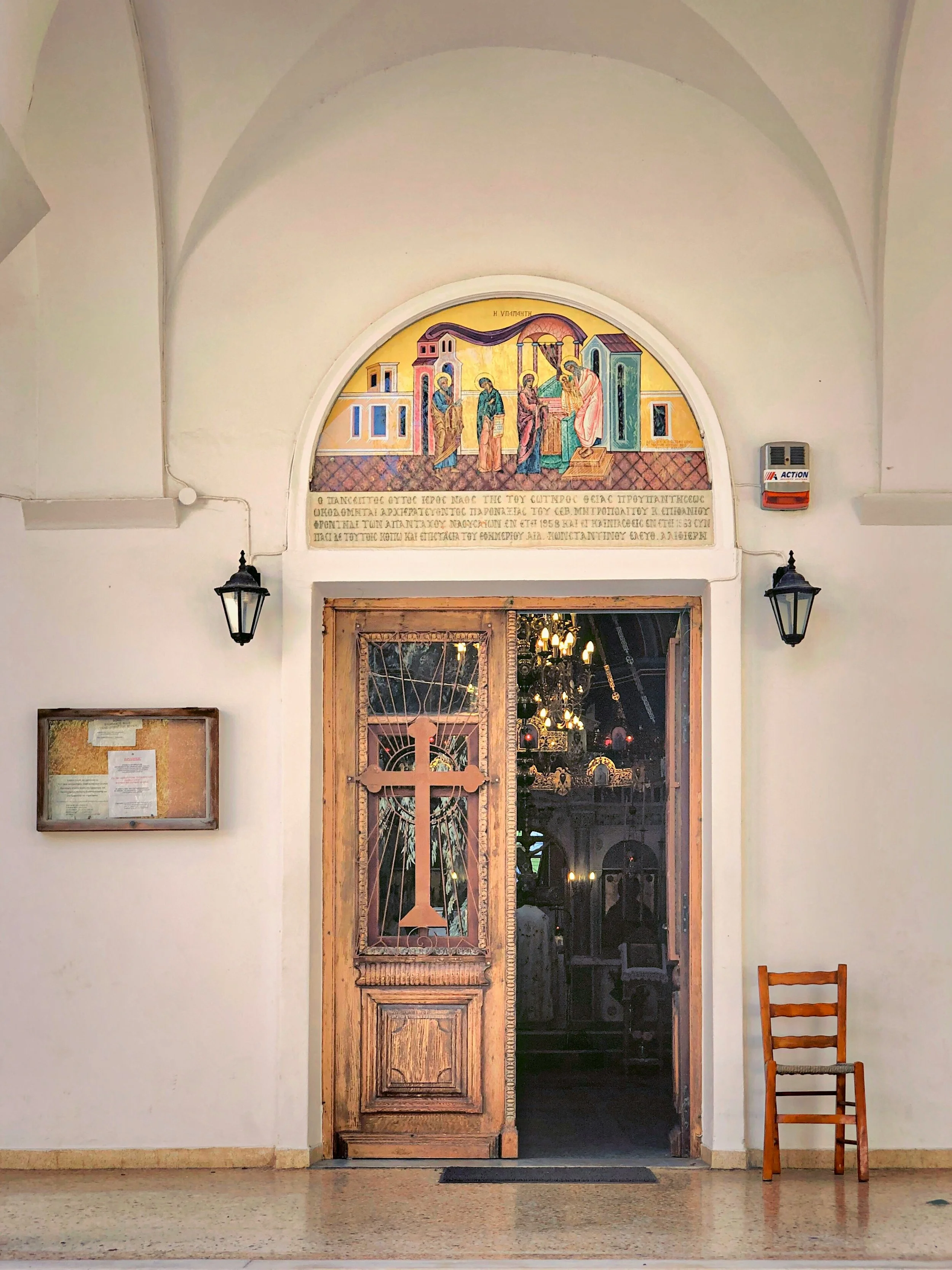
In Greece, heritage and the Orthodox Church are inseparable. As many evangelical missionaries come from younger nations, the evangelical perspective can sound like a modern fad or even heresy. This entrenched history makes introducing the church as "people" rather than a "building" a difficult concept to embrace.
“Orthodoxy has been part of Greek culture for almost 1,700 years. Greeks are proud to be Orthodox, and many believe that, as the first church—remembering that there was just one ‘true’ church until 1054, when the Orthodox and Catholic Churches separated—they are also the only true Church.” — A Pioneer in Greece
Building Bridges, Not Walls
Ministry in these communities is not about competition or proving who is "more" Christian. Instead, the work is driven by a genuine desire to see neighbors experience the freedom of following Jesus. Pioneers across Europe focus on building bridges through love rather than walls through debate as they share the fruit of walking with the Spirit, not just completing religious practices.
While it can be tempting to rely on persuasive arguments and boldness in theological differences, true impact comes from faithful labor and cultural investment. God does not need our crafty ways. By sharing the Good News and living authentically within the community, missionaries trust God to plant and grow these seeds of faith.
“To work within an Orthodox context, one needs not only to respect the Orthodox Church, but also to pray for a renewal of the Orthodox Church.” — A Pioneer in Greece
As in any mission field, approaching a culture with a sense of superiority only burns bridges. The beauty of cross-cultural ministry is the opportunity to be graciously shown deeper ways of understanding God while walking alongside others on their journey.
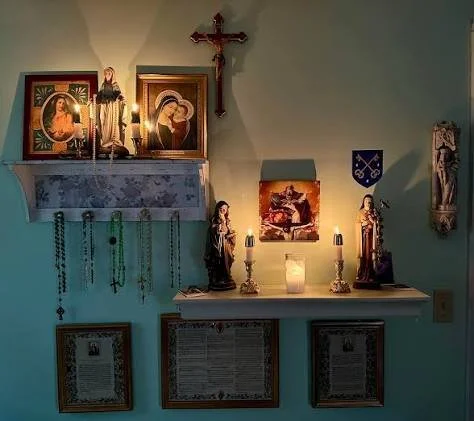
“I would not begin by attacking Catholicism. If your first objective is to prove everything that is wrong with the Catholic Church, you may win an argument and lose the person. For many Italians, Catholicism is connected not only to theology but also to grandparents, parents, childhood, community, and identity. Criticizing it can feel like criticizing their family and culture.” — A Pioneer in Italy
There is much truth within these traditions that has migrated away from the Gospel of Grace. With a firm foundation in Christ, we can learn more about these traditions and deepen our understanding of our new friends and of Jesus.
“We have to be careful not to look at people simply as projects. Be interested in their lives, their families, their struggles, their questions, and their stories. Spend time with them, eat with them, invite them into your life, and allow yourself to become part of theirs. Trust often takes time here.
People know when they are being treated as a project. We care for them because Christ calls us to love people, whether or not they ever respond to the Gospel in the way we hope.” — A Pioneer in Italy
Pioneers across Europe utilize diverse pathways to engage their communities, often finding that a simple invitation to read the Word together is the most powerful tool. Many non-evangelical church cultures discourage personally reading and interpreting the scriptures, causing some to be insulted by the invitation. Others find it provides the necessary opportunity to discuss truth and allow God's Word to take root in their hearts.
“For just as rain and snow fall from heaven
and do not return there
without saturating the earth
and making it germinate and sprout,
and providing seed to sow
and food to eat,
so my word that comes from my mouth
will not return to me empty,
but it will accomplish what I please
and will prosper in what I send it to do.” Isaiah 55:10-11
As followers of Christ pursue genuine relationships, they mirror the way Christ has pursued us. Through these connections, God is faithful to soften hearts and invite people into a personal relationship with Him in the invisible, eternal church.
“In some ways, my own story is an example of this. Growing up in Italy, I thought I knew Christianity because Christianity was all around me. I was baptized Catholic and I knew who Jesus was. But as I grew older, the church became increasingly distant from my everyday life. I knew about Jesus, but I did not really understand grace or what it meant to personally trust and follow Christ. When I began encountering Christians whose relationship with God was clearly personal and affected the way they lived, it challenged my assumptions. Through my relationship with my (now) wife and other believers, I began asking questions that I had never really asked before.
Eventually I began to understand something that had never been clear to me: Christianity was not primarily about belonging to a church, performing religious practices, or trying to be a good person. Christ had done for me what I could never do for myself. Salvation was a gift of grace that I received through faith. The surprising thing is that I hadn’t thought of myself as someone who needed to hear about Christianity. I thought I already knew it.
That experience still shapes the way I minister in Italy today. ”— A Pioneer in Italy
God is clearly at work in Europe. He is revitalizing communities as they search for answers in this increasingly globalized and secular age. Join us in expectantly praying that God would knock down this Gospel barrier and bring Europeans into His eternal church.