Insights from an Evangelical Pastor in Glyfada (Athens)
Greece is a nation where faith, history, and identity are deeply intertwined. While Christianity has shaped Greek culture for centuries, the contemporary spiritual climate is complex—marked by strong tradition, national identity, and growing uncertainty about the future. As part of the Spiritual Climate Survey, we spoke with a long-serving evangelical pastor in the Athens suburb of Glyfada to gain insight into the realities facing the local church and wider community today.
For security reasons, the interviewee is referred to as Pastor B. He has served in Greece for over 30 years and currently pastors an international evangelical church in the southern suburbs of Athens. His experience includes pastoral ministry, cross-cultural leadership, and engagement in national-level dialogue with other Christian leaders.
What are the demographics of the population you live and serve among?
Our church is a highly international congregation, representing approximately 25–26 nationalities. Most members are long-term residents of Greece rather than recent arrivals. In recent years, the church demographic has shifted toward an older age group (roughly 40–45 and above), though younger adults are still present.
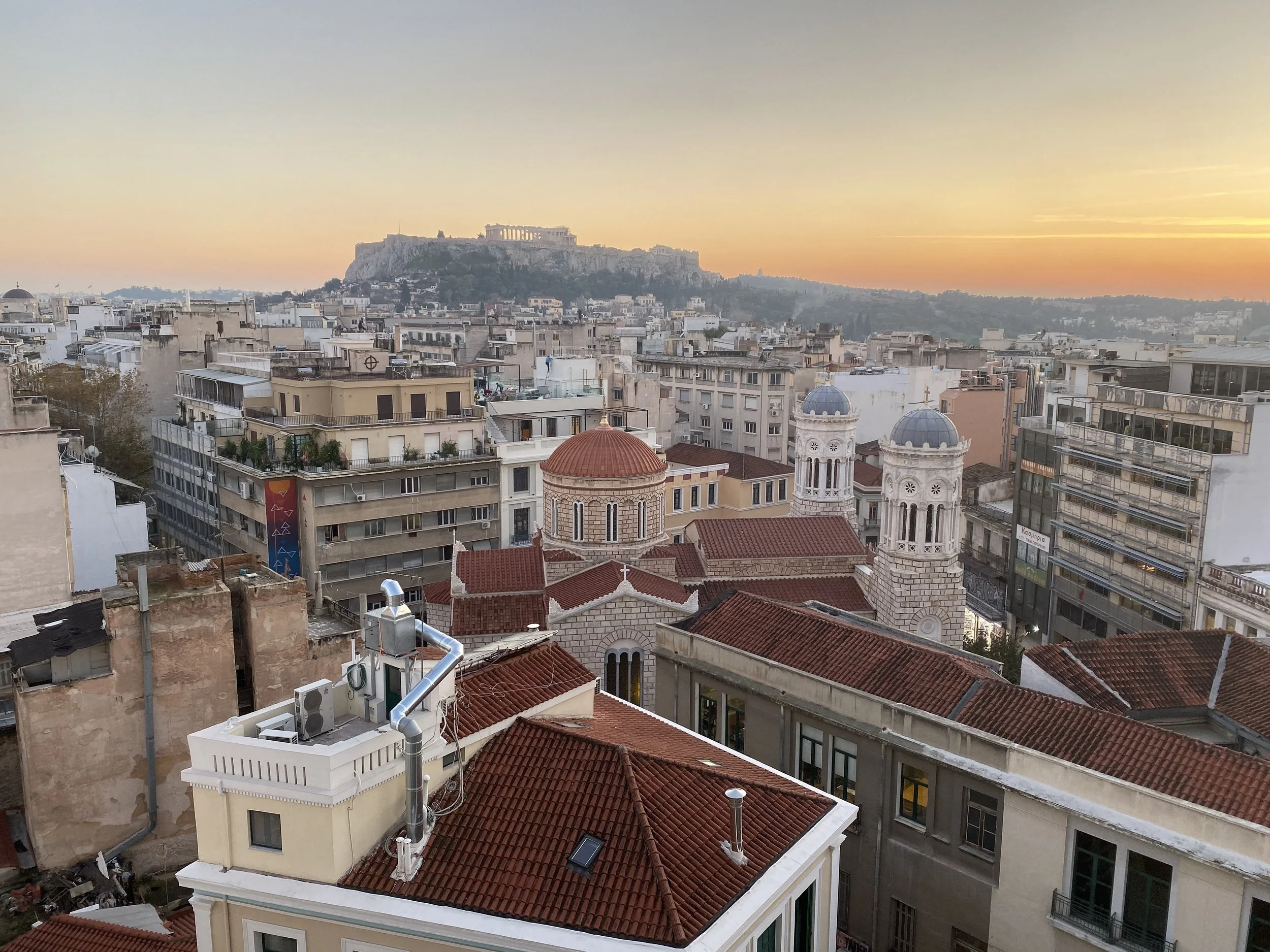
The surrounding Glyfada community is predominantly Greek and relatively affluent. Historically, the area developed around international infrastructure, including the former American Air Force base and Athens’ old airports. While it has not traditionally been a young neighborhood, there are signs of change, with more young families beginning to settle in the area.
How would you describe the spiritual health of the local church and community?
Within the church, spiritual health is expressed primarily through strong relational bonds and missional engagement. Family units—especially within certain ethnic communities—are closely connected, and many single adults demonstrate spiritual maturity and outward-focused faith.
The church is marked by a strong missional identity. Much of the ministry connected to the church takes place outside its walls, both locally and internationally. Church leadership has consistently modeled this outward posture, which has shaped the congregation’s values and priorities.
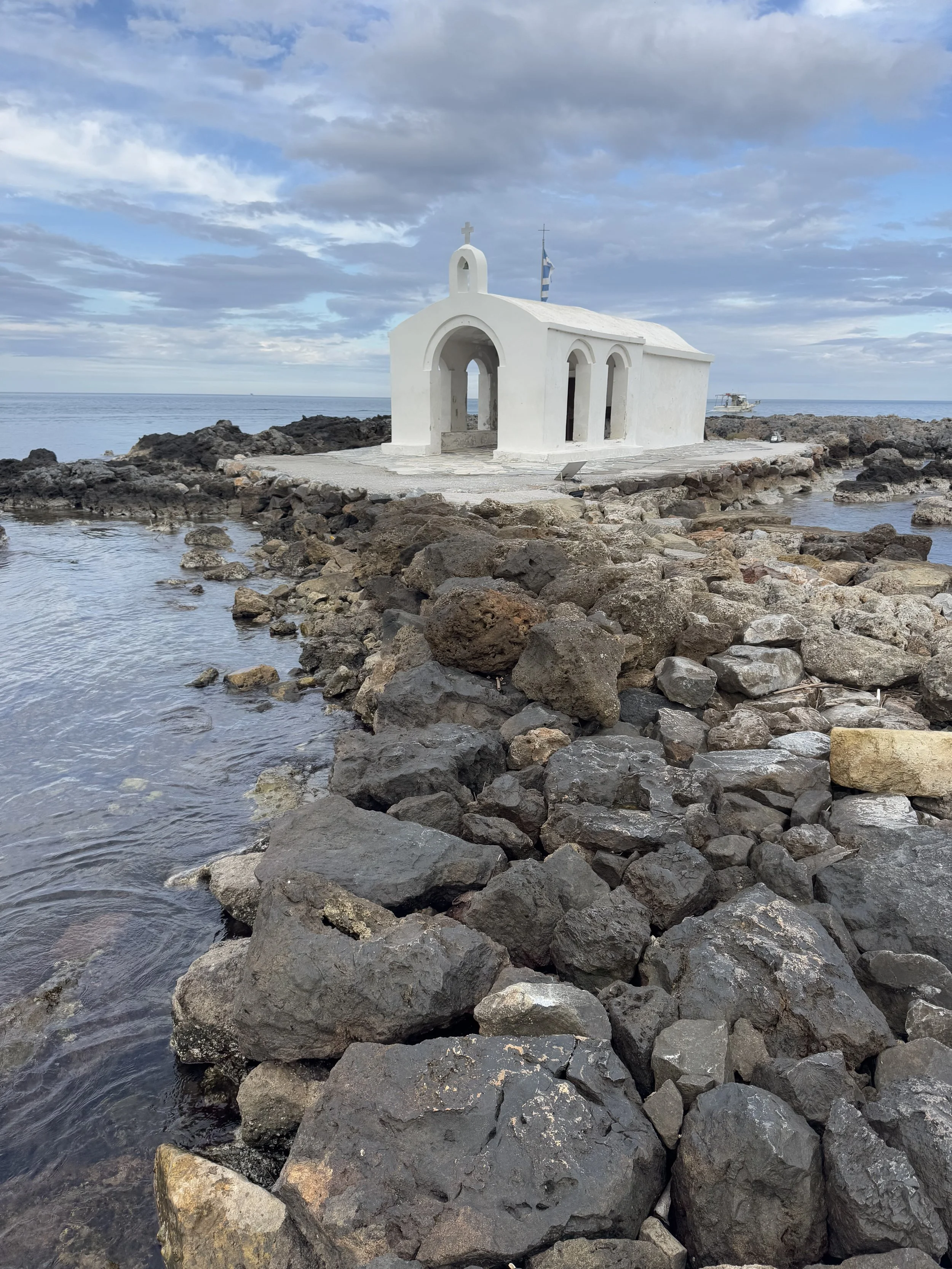
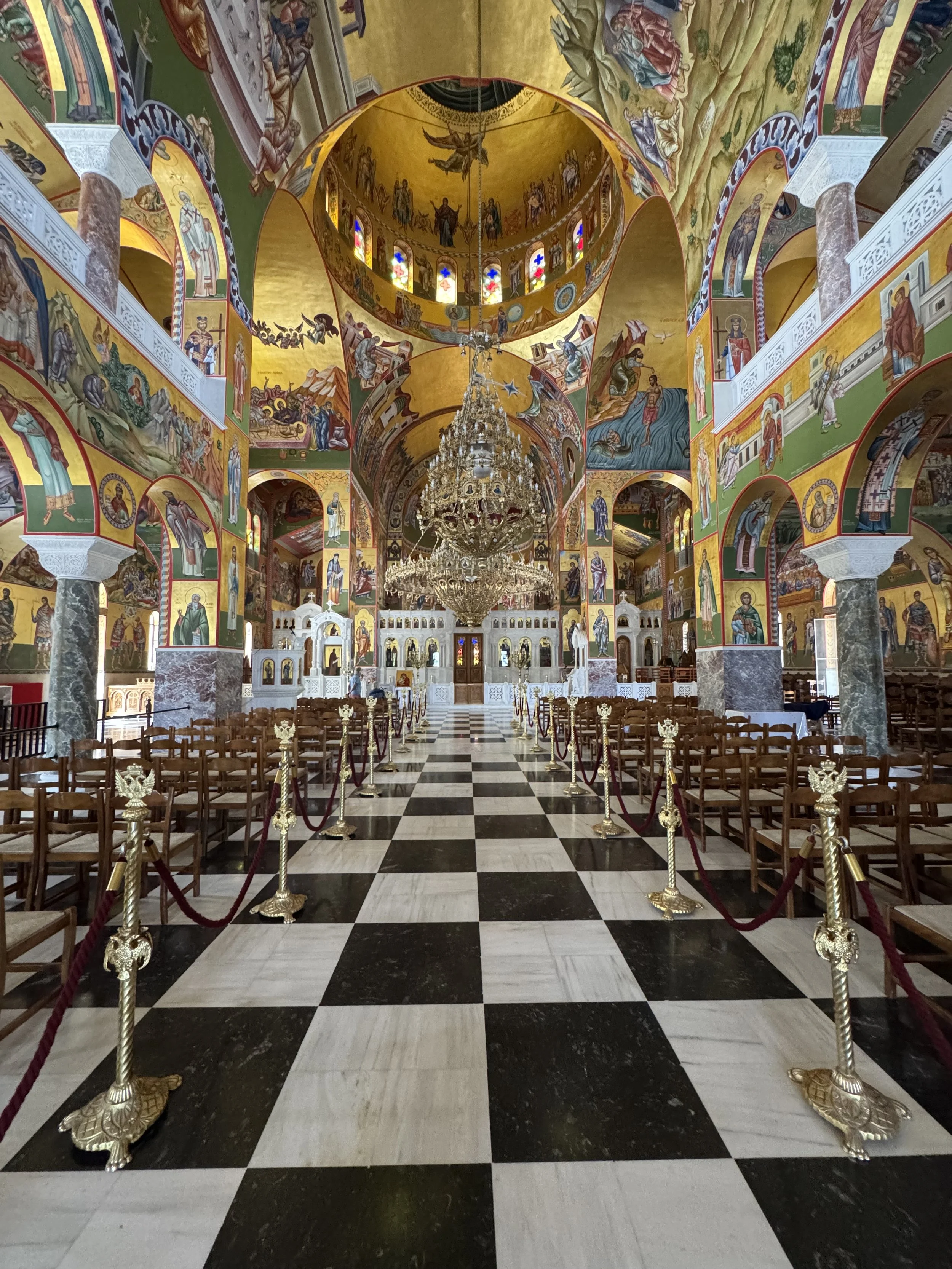
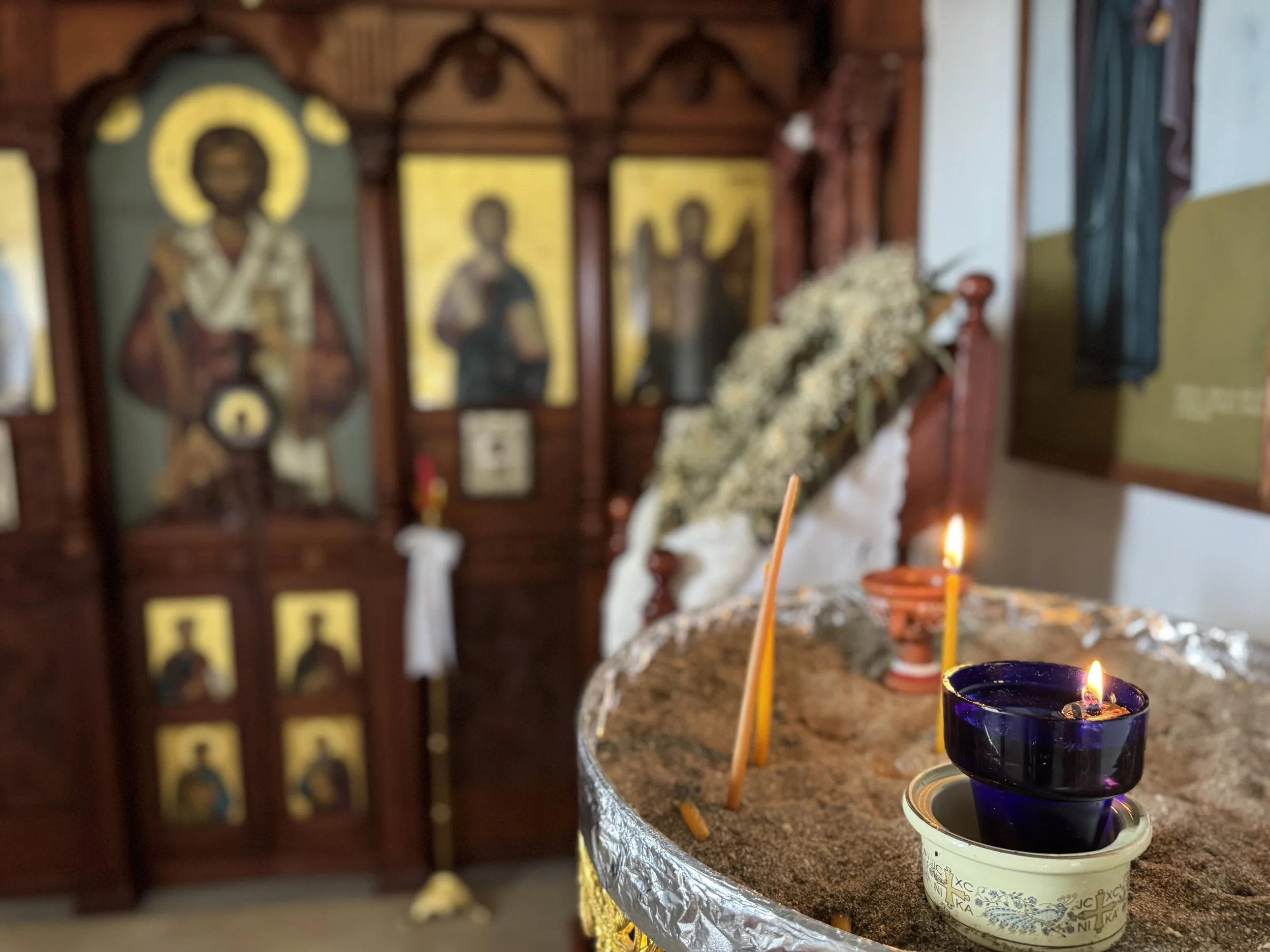
In the wider Glyfada community, religious awareness is relatively high. Local Orthodox churches are active and well-attended. However, while people are accustomed to religious practice, there is significant distance and caution toward evangelical churches, which are often perceived as foreign or external to Greek identity.
What geopolitical events have affected people recently, and how have these affected church rhythms?
International events—particularly the conflict in Israel and Gaza—have been the most noticeable geopolitical issues affecting people emotionally and socially. Greece’s longstanding regional sensitivities also remain present in the background.
However, these events have not significantly disrupted church life. GCC has long included members from nations historically in conflict with one another, yet political tensions have not divided the congregation. A shared emphasis on kingdom identity over national identity has helped maintain unity and peace within the church community.

Who has been most open—and least open—to God in recent years?
Greeks are generally open to talking about faith, but far less open to reconsidering or changing their beliefs. Greek Orthodoxy functions not only as a religious system but as an ethnic and national identity, making spiritual transition difficult.
One group showing some openness includes Greeks returning from time abroad. Even if they were not part of evangelical churches while overseas, some seek deeper community and spiritual connection upon returning to Greece.
Overall, however, openness to gospel transformation remains limited across all demographic groups.
What else are people trusting in, and what do they fear?
The strongest sources of trust are family and long-standing friendship circles (parea). These relational networks often carry more weight than faith communities.
The greatest fear is lack of opportunity, particularly among young people and families. Many believe that meaningful professional and personal development requires leaving Greece. This perception contributes to instability, reduced ambition, and a lingering sense that the future lies elsewhere.
Apart from spiritual needs, what are the greatest needs in your area?
One of Greece’s most pressing challenges is the ongoing brain drain. A large majority of university graduates either plan to leave the country or have already done so. Even those who remain often live with the intention of leaving, which hinders long-term development and investment.
This reality affects families, churches, and national morale, creating a deep need for hope, purpose, and sustainable opportunity within the country.
What patterns have you seen in ministry in your area?
Historically, evangelical ministry in Greece has been marked by competition and mistrust, driven by small numbers and denominational divides. In recent years, these patterns have begun to shift.
While full cooperation remains limited, relationships between churches are improving, ministries are increasingly choosing not to hinder one another, and personal connections across theological lines are becoming more common.
Do evangelicals work together? Is there unity?
In Glyfada and the wider Athens area, evangelical churches do not consistently work together in structured ways. However, there is greater mutual respect and reduced opposition than in the past. This change represents a modest but important step toward healthier unity.
What help or encouragement would you appreciate as a local pastor?
A recurring concern among Greek pastors is that international involvement in Greece often focuses primarily on refugees and foreigners, with limited engagement in Greek-based ministry.
There is a desire for the global church to develop a deeper, long-term heart for Greece itself, recognizing the spiritual needs of Greek people and partnering meaningfully with local believers and leaders.
Where do you see room for the global church to serve?
There is significant room for service across a wide range of ministries—from mercy work and discipleship to evangelism, leadership development, and worship training. While refugee ministry remains vital, there is a growing need for workers willing to engage Greek communities directly, despite language and cultural challenges.
Greece continues to need patient, incarnational ministry rooted in humility, relationship, and long-term commitment.
Thank you to both Pastor B and our local Pioneer in Athens for sharing your insight and time through this survey. Our team is praying for endurance and wisdom as you continue to serve the local church in Greece. We rejoice with you as God has brought so many near to Himself in Greece and we pray that more Greeks would encounter Jesus personally!
In this series, we have sought the opinions of local brothers and sisters to help us gain understanding of the spiritual context that surrounds us here in Europe. The views expressed belong to those being interviewed and as such do not necessarily represent any official stance of Pioneers in Europe. Please join us in seeking to better understand the experiences of others and respond in prayer to our heavenly Father who sees and understands all things clearly. These interviews have been translated and abbreviated for this format. Reach out to info@pioneersineurope.com if you would like a copy of the original interview.