United Kingdom

Ministry Pathways: Cycling in the UK

A few years ago, a Pioneer in the UK was getting to know a new Syrian friend and asked what he enjoyed doing for fun. The man paused before quietly replying, “My whole life has been about survival.”

That conversation stuck. It opened the eyes of Chris, a Pioneer in Plymouth, to the power of shared interests—and the need for spaces where refugees could experience both community and hope. Out of that realization, Cycle 4 The Nations was born: a ministry that uses cycling as a bridge between local believers and refugees, creating opportunities for friendship and faith to grow. 
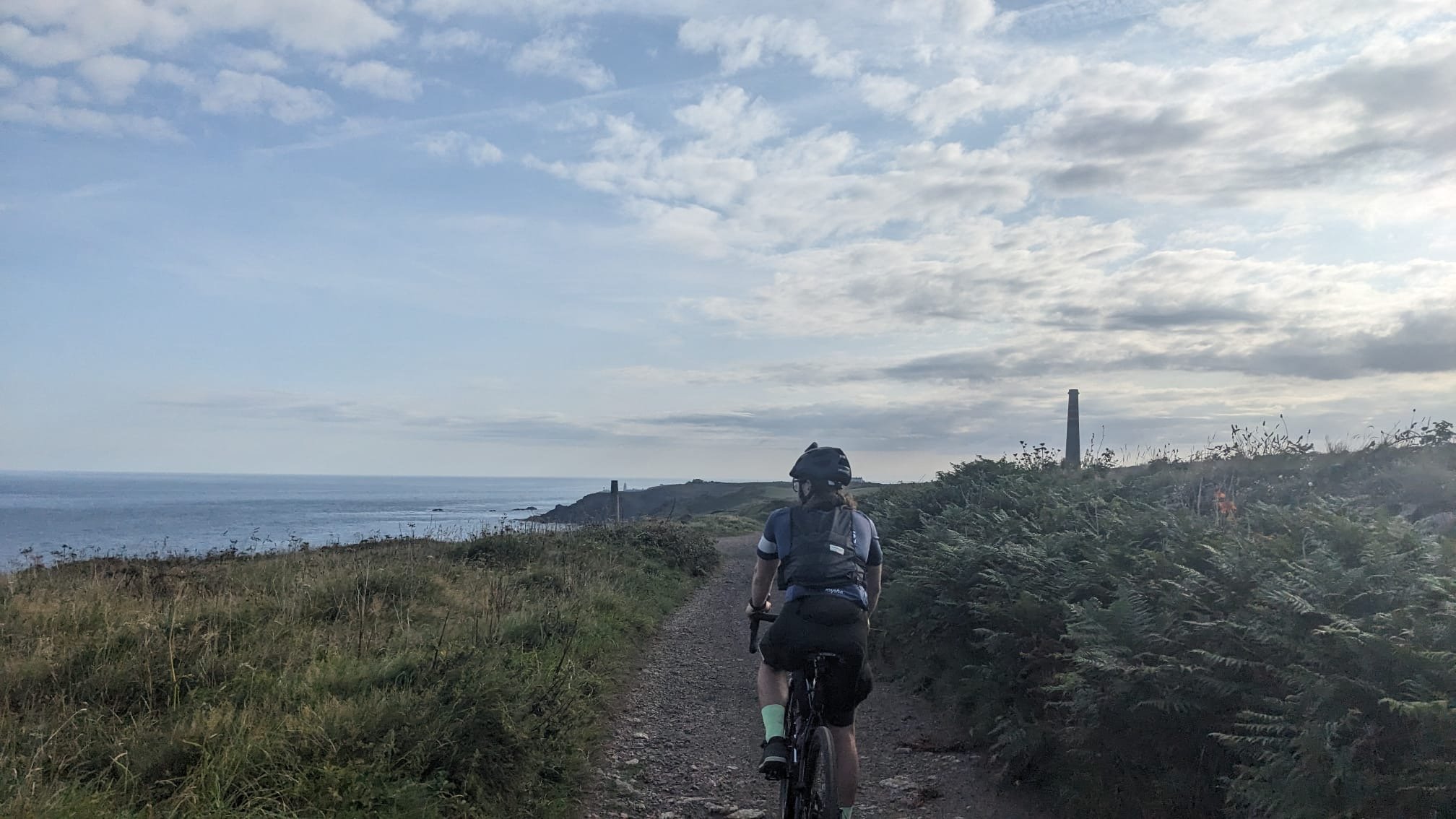
For Chris, cycling wasn’t just a hobby. “God used cycling in my life in a powerful way, to bring me freedom from terrible anxiety. It became a quiet space for me to commune with God, to take my mind off of all that was triggering my anxiety and a place to heal with the Lord”. “Since God used it so powerfully in my life, I wanted to use it for His glory.” 

“Cycling is a great space to get to know people, facilitating an atmosphere to have spiritual conversation and share my testimony with those who have never heard of Jesus and how He changes lives.” 

Now, those same rides serve as platforms for gospel conversations. Through local English conversation groups, Chris and his teammates invite refugees to join rides, to share their stories and to build friendships. 

On a recent ride, a new Afghan friend opened up about his experience with the invading Taliban, which led to him and his family fleeing and seeking asylum in the U.K. During the chat, he expressed deep pain from what he had gone through and a disenchantment with the world of Islam. “It gave us the chance to share about Jesus—the freedom He brings and the relationship with God He makes possible,” Chris says. “We’re still meeting with him, and God seems to be moving.”
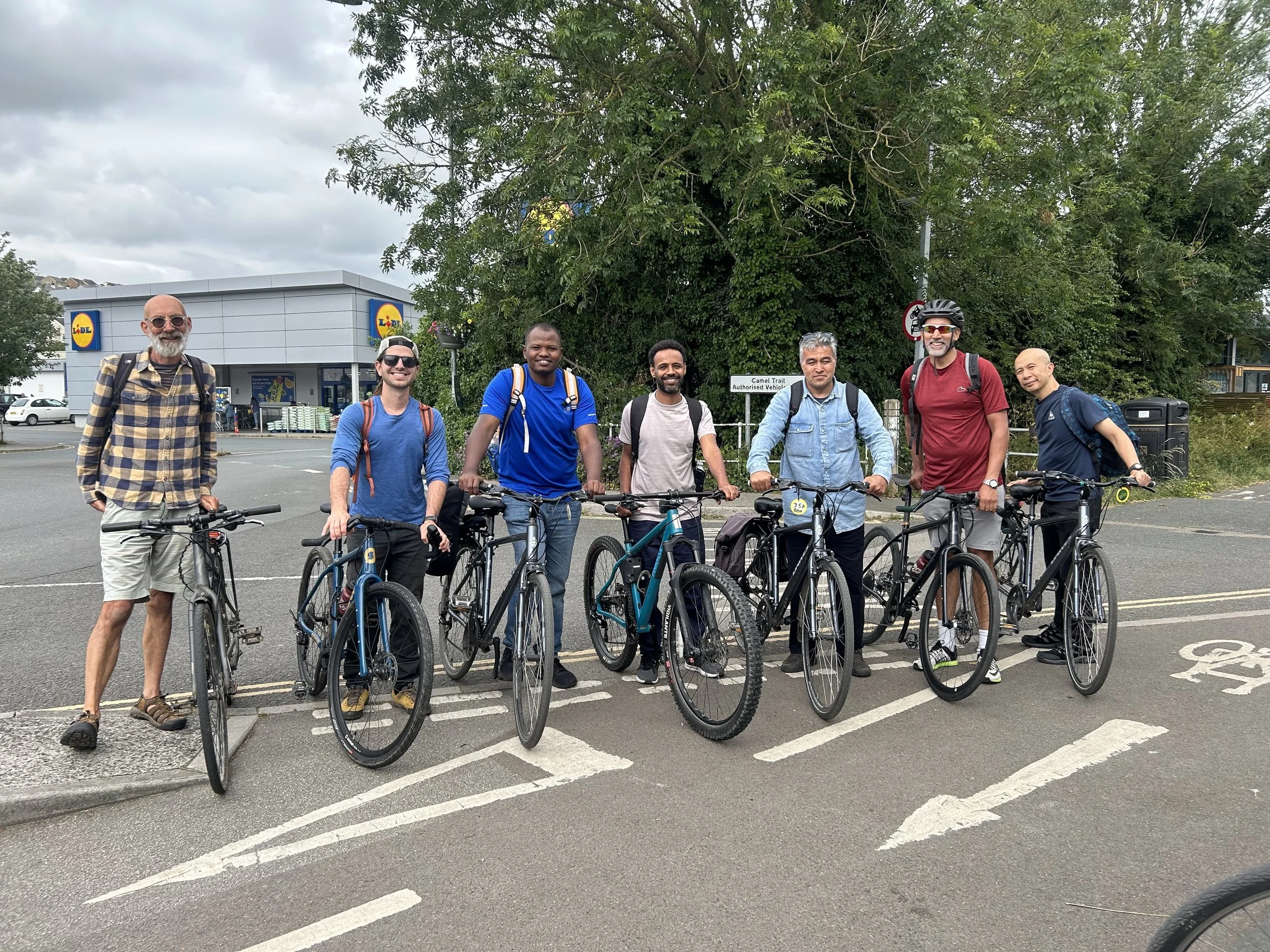
Cycle 4 the Nations seeks to partner with local churches by inviting them to participate in the rides, helping to build bridges between believers and the refugee communities around them. “It’s an approachable way to engage the nations right on our doorstep,” Chris shares. “A few people on bikes, some shared miles, and good spiritual conversations—it’s powerful.”

Beyond the U.K., Cycle 4 The Nations also supports global missions. Each year, Chris participates in ultra-endurance cycling races to raise awareness and funds for missionaries serving among the unreached—from the Quechua people in Peru to Muslim-background refugees in Europe. He visits local churches to share about how God is moving among the unreached both near and far. 

“I want to see the heart of the church turned more toward the completion of the Great Commission,” Chris says. “It’s not that God needs our money—but our giving often reveals where our hearts truly are.”

The vision is growing. The team hopes to expand their local rides, provide more bikes for refugees, and see participants come to faith—and eventually lead others through the same platform. 

“I hope every rider sees Jesus in us,” Chris says. “That they experience His love in a way that challenges what they thought they knew about Him.”

What about you?
Maybe God has already given you a passion or hobby that could become a bridge to others. Could your own interests—cycling, cooking, teaching, or something else—become a pathway for gospel conversations?

Sometimes ministry begins not with a program, but with a simple question—and a willingness to listen.

Ministry Pathways: Garden Club in the UK

In the heart of a grey UK city, something green and vibrant is taking root. A small but dedicated group of internationals gathers weekly—not just to grow food, but to grow community.

The initiative began with Melissa, a Pioneer with a green thumb who moved to the UK seven years ago. Like many newcomers, she found it challenging to connect with others in a meaningful way—especially across language barriers. Conversations over coffee often felt stilted and pressure-filled, particularly for those still learning English.

“I thought gardening might be a way to get to know people more naturally,” Melissa explains. “In the garden, silences aren’t awkward—everyone’s focused on something tangible, something productive. There’s less pressure to perform in conversation, and more space just to be together.”

That vision became reality when Melissa launched a weekly garden club. Each week, 5–10 internationals meet at a local café and then work in the garden behind it. They begin with hot drinks and a homemade treat—often using ingredients they've grown themselves—before diving into the day’s plan: planting, watering, harvesting, and learning something new about the plants.

From its early days, the garden club drew interest through the local council, who promoted it to asylum seekers and refugees eager to practice their English in a relaxed, hands-on setting. Others joined through community connections, word of mouth, or casual visits to the café. The café is home to a community center that offers ESL classes as well as other activities.

The gardening group was multipurpose from the beginning. “I wanted to create a space where people could experience growth,” Melissa says. “When you feel like nothing in your life is changing or getting better, it can be powerful to see something you planted begin to grow. It’s healing in its own quiet way.” Many participants have fled hardship in their home countries, are navigating trauma, dislocation, and the steep learning curve of a new culture.

Melissa was transparent from the start that she had no formal gardening expertise—just a desire to learn and the memory of helping her mom in the garden as a child. “I told our first group not to expect an expert—we were going to learn together!” she laughs. Fortunately, another international volunteer with planting experience joined that first year and helped lay the groundwork. Local primary schools even donated seedlings grown by students.

The garden itself transformed with the seasons. Tiny seeds became lush plants, drawing bees, butterflies, and curious children from the café. The garden provided a vivid picture for Melissa through the harsh process of church-planting: “Even when it feels like nothing is happening, God is working behind the scenes—just like those roots growing deep before any green shows.”

Among the garden’s highlights? Sunflowers. “They’re easy to grow, dramatically tall, and follow the sun,” Melissa notes. “At the end of the season, one head can hold up to 1,000 seeds—if the birds don’t get them first!”

Outside of the garden club, friendships began to blossom. Volunteers began meeting on their own for walks, flower shows, or simply to share a meal. Many started growing plants in their own windows, bringing a piece of the garden home.

Melissa balances the garden club with other ministry roles at the community center as the seasons fluctuate through the year. She helps lead English classes, Bible studies, and supports the café. Though she had to pause some responsibilities to take on the garden, she found the trade-off worthwhile. “It fit my role with refugees and asylum seekers, and it matched my own interests better than some of my other commitments. It was sustainable,” amidst the ups and downs of ministry.

Looking ahead, Melissa hopes to see more international volunteers take ownership and infuse the garden with the richness of their own cultures—through crops, recipes, and shared leadership. She also dreams of deeper connections with local gardening communities to bridge cultures and foster understanding.

Pioneers teams in the UK are looking for individuals interested in ministry pathways that engage hands and hearts like the Garden Club has. Perhaps you have skills or passion to join those seeking to cultivate connection, resilience, and beauty through Jesus in unexpected corners of European gardens.

God Saved the Queen

By a Pioneers Field Worker, United Kingdom

Billions of people recently listened to a clear presentation of the Gospel.  This was not a clever campaign by a well-funded media group.  This was the funeral of Queen Elizabeth II, who died in Scotland on 8 September 2022 at the age of 96.

Two of the British monarch’s titles are Defender of the Faith and Supreme Governor of the Church of England.  In these roles, Queen Elizabeth appointed bishops and deans in the Anglican Church as well as going to church for national occasions, royal weddings and state funerals.  She also regularly attended church services in Windsor and at Craithie Church when she was at Balmoral in Scotland.  

Queen Elizabeth spoke openly about her faith in the Lord Jesus in her annual Christmas Day broadcast.  In her very first one in 1952, she asked people to pray for her and her upcoming coronation.  ‘Pray that God may give me wisdom and strength to carry out the solemn promises I shall be making, and that I may faithfully serve him, and you, all the days of my life.’  She upheld the Scripture, asking ‘To what greater inspiration and counsel can we turn, than to the imperishable truth to be found in this treasure house, the Bible?’ 

In the year 2000, when the millennium was the focus, Queen Elizabeth chose to speak of the birthday of a man ‘who was destined to change the course of our history.  And today we are celebrating the fact that Jesus Christ was born 2000 years ago; this is the true millennium anniversary.’  She proceeded to speak about her own Christian faith.  ‘For me’, she said, ‘the teachings of Christ and my own personal accountability before God provide a framework in which I try to lead my life.  I, like so many of you, have drawn great comfort in difficult times from Christ’s words and example.’

In 2016, Queen Elizabeth noted the widespread nature of the Christian faith.  ‘Billions of people now follow Christ’s teaching and find in him the guiding light for their lives’, she said.  ‘I am one of them because Christ’s example helps me see the value in doing small things with great love.’

Justin Welby, the Archbishop of Canterbury, wrote of the Queen’s Christian faith on the day her death was announced.  ‘She lived out her faith every day of her life.  Her trust in God and profound love for God was foundational in how she led her life - hour by hour, day by day.’

Why would anyone attend Messy Church?

pexels-photo-542556.jpeg

One Pioneer family in the UK has been hosting Messy Church every second Sunday of the month.  The service is indeed messy—it includes crafts, conversation, and food and attracts families from the neighborhood who do not otherwise attend church.  At Easter four Muslim families attend Messy Church, along with several other local families.  The Pioneers are baffled as to why the Muslim families attend, but they are praising God. 

Pray that the Pioneers would have wisdom and boldness to help illuminate the differences between Islam and Christianity, as they see a trend in the community to minimize religious differences.  Please pray that Jesus would shine brightly through this Pioneers family!

Ministering to Muslims in Manchester

manchester.jpg

Pioneers in Manchester recently reported that when their team began prioritizing prayer about two years ago, ministry really began to open up to them.  They confessed that prayer seemed to unlock an openness in hearts of the Muslims in their midst.  A primary way that Pioneers are reaching out to Muslim-Background immigrants is through both food and a book stall at a local market.  The food and Christian books draw an interest from Pakistanis, Saudis, Iranians, Jordanians, and Kurds.  The Pioneers in Manchester have been thrilled to see roughly 50 Muslim-Background believers attending Discovery Bible Studies each week.  Please pray for ministry in Manchester, as in northern Manchester alone 10 mosques exist and an 11th is under construction. 

Making the Most of the Opportunities that Already Exist

pexels-photo-434341.jpeg

Recently when Pioneers in the UK gathered to share their stories, they all agreed that they want to make more of the opportunities that already exist in their midst.  For example, rather than waiting for a new opportunity to arise to share the Gospel with someone, one Pioneer suggested: “Gossip Jesus right where you are!”  Heads shook around the room as each Pioneer chimed in with the opportunities that they have, but for which they need boldness.  

  • Pray for a Pioneer who senses that God wants her to share Christ with a friend on the sidelines of regular rugby games. 
  • Pray for a Pioneer who is distributing Bibles on a university campus.
  • Pray for a Pioneer who takes long runs through Pakistani neighborhoods—he stops frequently to chat with young men, asking about their lives, praying with them, and sharing the Gospel when he can.  Though these conversations are brief, they are an important step in seed planting. 
  • Pray that God would open the eyes of every Pioneer to share Christ when possible and pray that God would open the hearts of all those who hear! 


Women Reaching Women in England

Women in Pioneers are experiencing great joy as they reach out to newly arrived Muslim women in England.  In one location, Pioneers are finding women, especially from Syria, “desperate for English-speaking friends,” as one worker put it.  Newly settled refugee families are isolated, worried about their new lives in England, and hungry for help.  Pioneers are able to befriend the women, spend time with them in their homes, and provide practical help, as well as the hope of Christ.  Pray for Pioneers in Oxford who are ministering to a community of 60-70 Syrians and expect 7 or 8 more Syrian families to arrive there later this year.  Pray also for more workers to come to the field, as well as for local English churches to catch the vision to serve refugees in their midst. 

UkWomen.jpg

In another location, Pioneers women are rejoicing in growing friendships with women who have immigrated from Pakistan and Libya.  The Pioneers provide “Crafts and Conversations” at a neighborhood community center for the Muslim-Background moms who take their children to school and then find themselves with days wide open.  Friendships are built around the table as the ladies discuss life in their new homes.  A local Imam has discouraged the immigrant moms from gathering with the Pioneers, so please pray for persevering friendships, in spite of the pressure.

Four Ways to Pray for London Right Now

By a Pioneers In Europe Field Worker

When we think about the need for Christian missionary efforts around the world, the places that usually come to mind are not in the Western world, are not English-speaking, are not major tourist destinations.
 
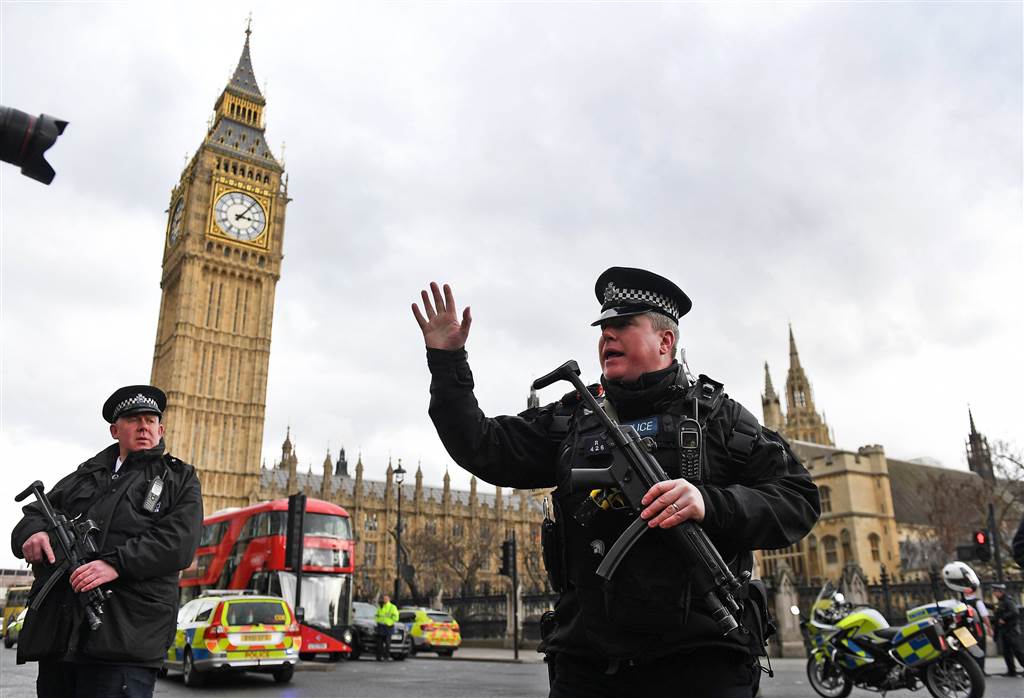
And yet, the tragic attacks that took place in London on Westminster Bridge on Wednesday remind us once again of the need for God’s Kingdom to come to even the most familiar and developed locales.
 
As this violence draws our attention, however briefly, to London, would you join us in praying for this city and for this nation?
 

  1. Pray that God would comfort and heal the victims and families who are at the forefront of this experience of evil.
     
  2. Pray that, amidst all of the material wealth and global influence to be found in London, God would reveal to each resident—whether from Britain or abroad—the depth of their spiritual poverty and need for relationship with God in Christ Jesus.
     
  3. Pray for wisdom for the governing authorities, as they respond to this attack and anticipate the official beginning of Brexit negotiations, that they would navigate these events with a godly sensitivity toward using the UK’s international prominence and relationships to enable this land to continue to be a blessing to Europeans, immigrants, and refugees who are seeking help here.
     
  4. Pray for our various ministries who are operating in the city, that as they engage with various ethnic communities and asylum-seekers, that their roles as ambassadors for Christ would be effective for bringing the light of the Gospel into the lives and homes of all the peoples of the earth that the Lord has drawn to this place at this time.

Why Come to the UK and Ireland?

ukstreet.jpg

For those who pursue missions through prayer, support, or going, the United Kingdom and Ireland may not seem, at first glance, like potential mission fields.  They are affluent, there are no wars, and there are (at least in the UK) many churches.  However, while UK churches are currently reaching traditional, white, British communities, a range of diaspora communities (such as Muslim and Chinese people groups) are not being reached with the Gospel.  In Ireland, there are not even enough Evangelical churches to reach traditional Irish people, let alone new diaspora communities. 

For missional go-ers and senders, the UK and Ireland may seem second best, compared to more remote, dangerous, and traditional places.  However, we know that God loves people wherever they are, and that He is committed to all nations hearing the Gospel. The Lord says, “I will be exalted among the nations, I will be exalted in the earth!”(Psalm 46:10).  If potential missionaries sense that God is drawing them to the British Isles or if they are drawn to a people group represented here, we want to affirm that the UK and Ireland are valid countries to consider.

We have unreached people groups
In Ireland there are a number of areas with insufficient Christians to reach post-Catholic people, as well as growing numbers of Muslim migrants.  In the UK, churches have not engaged sufficiently with Muslims and other migrant communities, leaving millions of people without a credible Gospel witness. 

Freedom
The UK and Ireland provide freedom for migrants coming from countries closed to the Gospel.  Missionaries also have great freedom to preach the Gospel.  One can freely access an incredible amount of Gospel materials in a large variety of languages and distribute them without any risk of arrest.

Access
It is relatively easy to access the UK and Ireland through various long-term visas.  The security situation in both countries is stable and access to affordable health care and education is also excellent.  Because both nations are accessible, a range of different people can serve here.  For example, reaching Afghanis in Afghanistan might well require someone with a particular apostolic calling and strong physical health, but people without those particular giftings can still reach Afghanis in the UK.  Many UK churches in Muslim-majority neighborhoods and church plants in Ireland would be greatly blessed by mature believers, who might not be able to serve in other parts of the world. 

Language
English speakers can minister in Ireland and to many migrants in the UK without needing to learn an additional language.  Ministering effectively to refugees and other recently arrived migrants might require learning an additional language, which can be done here. 

Partnership with local churches
Missionaries have opportunities to partner with local churches, which provides additional resources for evangelism and discipleship to unreached people groups, as well as the joy of local fellowship. Since the local church is present and vibrant in many areas, a wide variety of models of team and ministry can exist in the UK and Ireland, unlike in places where the missionary team needs to be the primary source of fellowship, partnership, and worship. Involvement in the local church and community supplements the team’s role in providing a feeling of connectedness and the offering of pastoral care and spiritual support. 

Identifying with migrants
For those ministering to migrants in the UK, it is often an advantage to be a foreigner. As a fellow foreigner, missionaries have an understanding of what it feels like to be a migrant and the challenges it presents in the UK. 

Variety of ministry opportunities
It is possible to engage in a range of different ministry opportunities, including street evangelism, preaching, English teaching, discipleship, service projects, hospitality, interfaith dialogue, and much more.  Given the variety of ministry opportunities, the UK and Ireland are also excellent places to come and learn for a season, even if missionaries eventually heading to a different location. 

Reaching two countries in one
Given that many migrants in the UK still have significant links to their country of origin, reaching diaspora people here will often also provide an opportunity to influence people back in their home country, thereby reaching two places at once. 

A great multitude from all “tribes and peoples and languages” will stand before the throne and before the Lamb (Revelation 7:9) and they will cry out, “’Salvation belongs to our God who sits on the throne, and to the Lamb!” (Revelation 7:10).  Perhaps the Lord is calling you to play a role in gathering the multitude from across the globe to Him in the UK and Ireland. 


A British Melting Pot

london .png

By a Pioneers In Europe Field Leader

The phrase ‘melting pot’ has long been used to signify the coming together of diverse cultures. Most often referring to the many strands of immigration which have coalesced to form the American identity, the phrase applies just as well on this side of the Pond.

London. It’s been said that you can find any people group in the world represented in this expansive and diverse city. Zoom in with me, if you will, into West London. In the borough of Ealing you’ll find the town of Acton.

By God’s hand, this was to be the destination for a vision. A denomination of churches in Nigeria had a burden for the UK. They dispatched a family in 2013 with a simple commission: plant a church. Unsure of where to begin, God ordained a simple relationship which would provide a fledgling root in Acton. In time, word of a godly and passionate Nigerian preacher would spread, bringing other Nigerians from clear across London. A simple house meeting eventually moved into a community center. In 2016, a lease agreement with the congregation of an emptying Anglican building would provide a more permanent center for worship.

But this was not just to be a gathering of Nigerians; that was never the heart of the sending denomination in Africa. They recognized God’s heart for all nations, and always desired that God would establish a multiethnic gathering of worshipping Christians.

On his walks in the community, the pastor would soon come across the likes of Jefferson, James, and Julio—Europeans of varying descent who had found their way to London, and fallen upon hard times. Each one was homeless, drunk, and regularly in trouble with the law. But God’s church is a melting pot, with plenty of room to squeeze in these men alongside the vibrant congregation of Nigerians. And not just them, but the friends they regularly bring with them as well.

But God’s vision for a ‘melting pot’ would add in yet another ingredient. Four Iranians would come along too. One man has two wives. Another is eager for baptism.

Perhaps the United States has long been called the melting pot, but I doubt there are few places where one can find Nigerians, Iranians, and a mix of homeless Europeans worshipping together, shoulder to shoulder, united under Christ.

This is God’s vision for His Church, and it’s being lived out in London. Pioneers is eager to continue to partner in what God is doing. Church planting. Unreached people groups. A burden for the local church.

Europe. UK. London. A gateway to realizing the heart of God in Christian mission among the nations. Is He inviting you to jump in?