A Prayer Walk in Paris

Each month my teammate and I set aside time to “prayerfully wander” the streets of Paris, lifting up the needs of the city as we walk by them. Paris, as you can imagine, is a beautiful city to walk in, with stunning architecture and ancient monuments everywhere. But it is also a city full of brokenness, and when you look for it you find evidence all over of a city with only an estimated 2% of the population following Christ. Living here day in and day out it can be easy to overlook both the beauty and the brokenness. This is why we carve out time each month to walk open-eyed in this city, concentrating on a particular area within the city. 

It’s mid-January and we launch out from my neighborhood with our destination, Stalingrad, in mind. We walk slowly, side by side, praying as we feel led. Our minds and our eyes are tuned into our context, using the things we observe as inspiration for our prayers. 
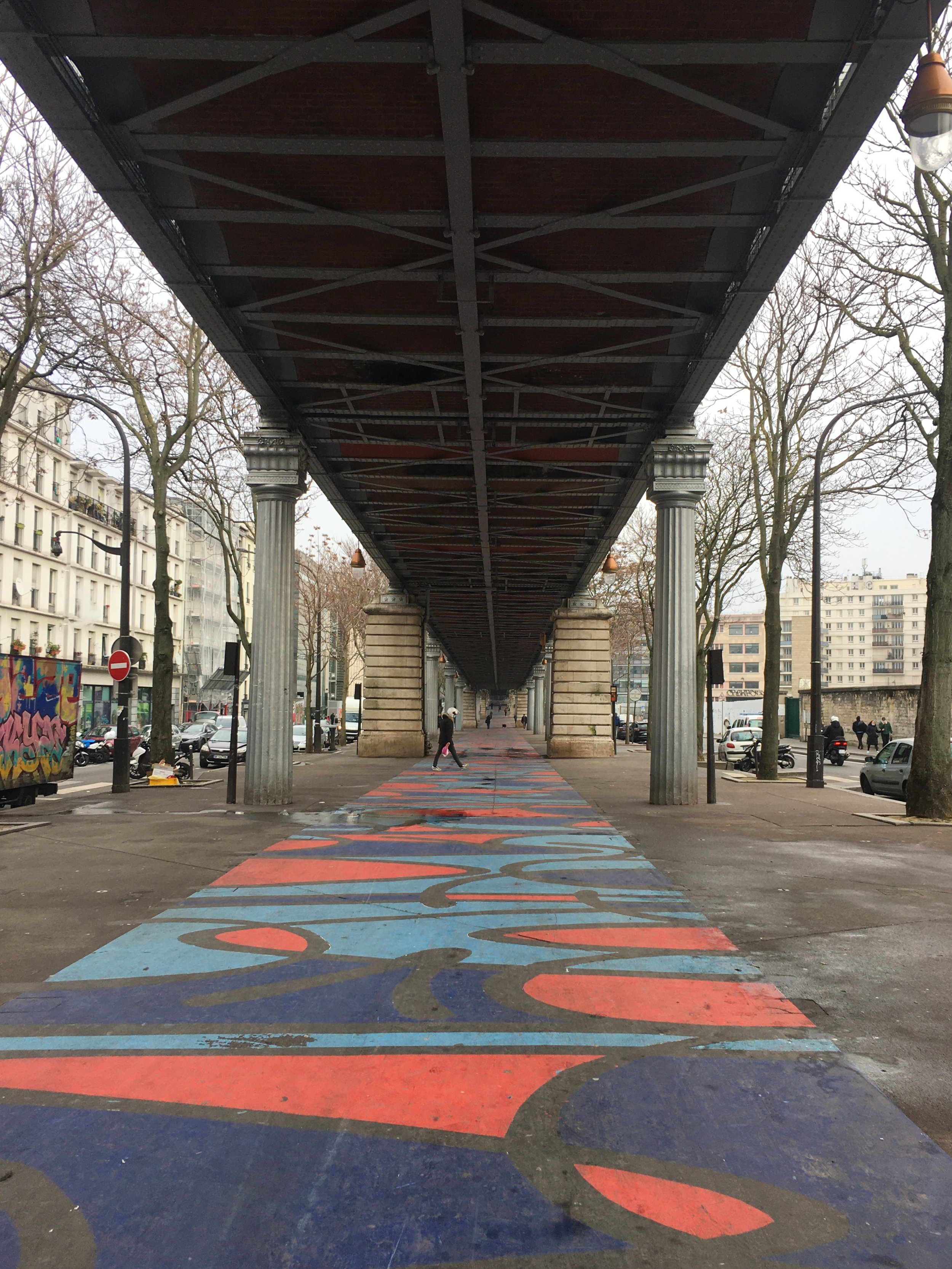


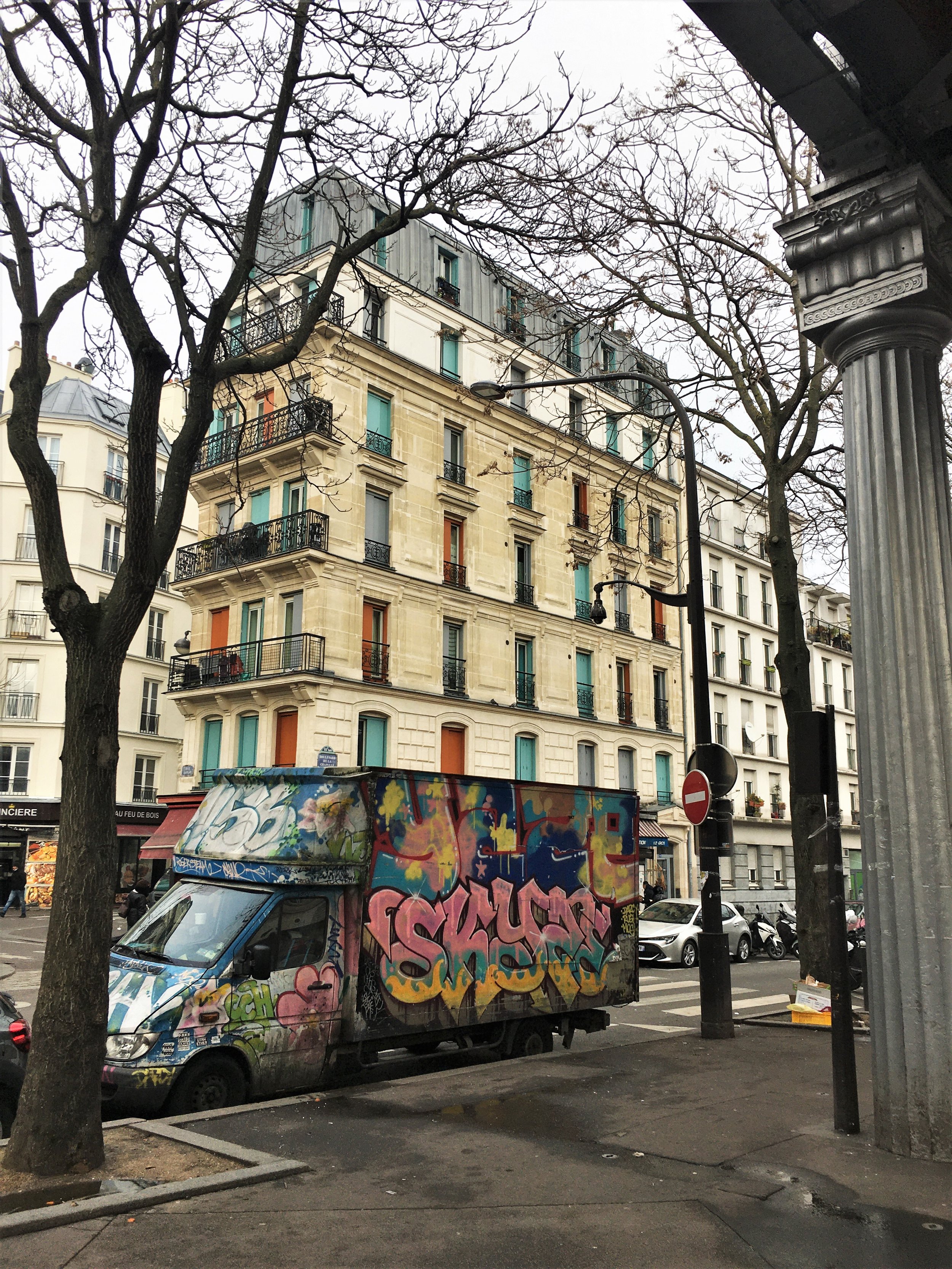
Joining up with the metro line 2, we follow along in its tracks, admiring the graffiti, street art, and colors of Paris. As we pass clusters of men who have immigrated from various Muslim-background countries, we begin praying that God will bring about transformation in men among these male-dominated cultures. We pray that God redeems these cultures and that these men will come to know Him, leading their families and ultimately their cultures in a Christ-honoring way. 
We also pray for the Christ-followers who belong to these cultures. They are not numerous, but we know they exist and are scattered throughout the region of Paris. We ask the Lord to give them courage to be bold witnesses, to stand strong amidst persecution and social pressure, and for the Lord to use them as a means to spread His Gospel among these immigrant populations. 

As we reflect on the number of refugees in this city — most of whom are young men — and as we observe the multitude of men who have immigrated from various parts of the world, we ask the Lord to raise up more men to serve here! We recognize the need for Christian men to connect with these male populations, unafraid to love them where they are at, as Christ does. 


Stopping and admiring the architecture of one of the few above-ground metro lines, we hear shouts and cries behind us. We have just walked in front of a local park with a reputation for drug deals, and the cries behind us sound as if they are coming from someone suffering from a drug addiction. We begin praying for those who are enslaved by drugs, alcohol, or other addictions. We ask the Lord to bring healing and freedom to the captives. We pray that these people not only be freed of these chains, but that they find ultimate freedom in Christ. 

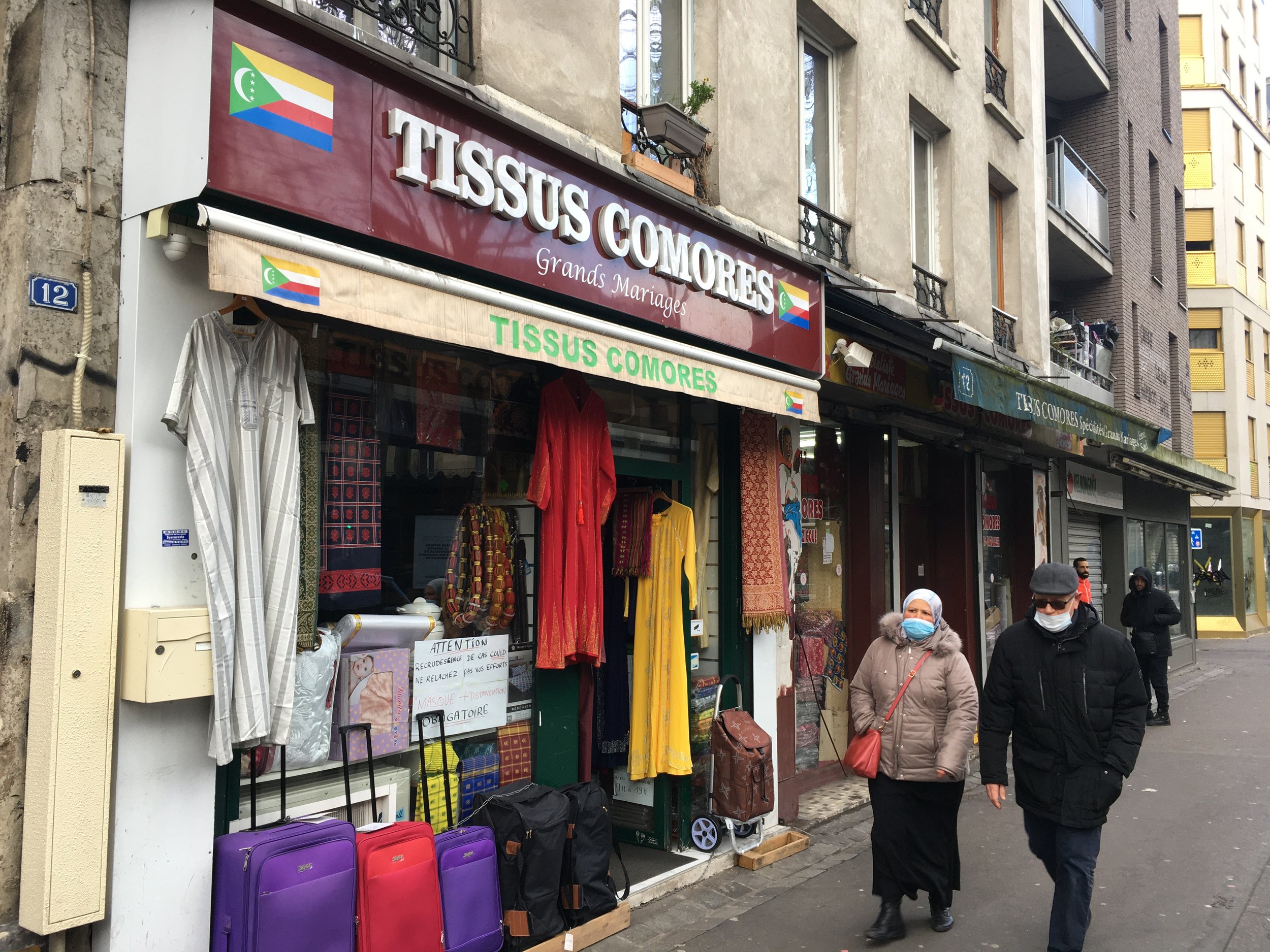
Moving on toward our final destination, we become aware that we have stumbled upon a local community of Comorians. The islands of Comoros off the coast of Africa near Madagascar are 98% Muslim and an extremely hard-to-reach people group. We pray that God breaks down barriers among Comorians, establishing his church among hard soil. Paris is home to so many diverse cultures, many of whom come from closed and hard-to-reach countries. We pray that God raises up more laborers to serve in this city to reach all these various people groups! We pray for those already here serving among them, that God works through them to bear fruit for His kingdom. 

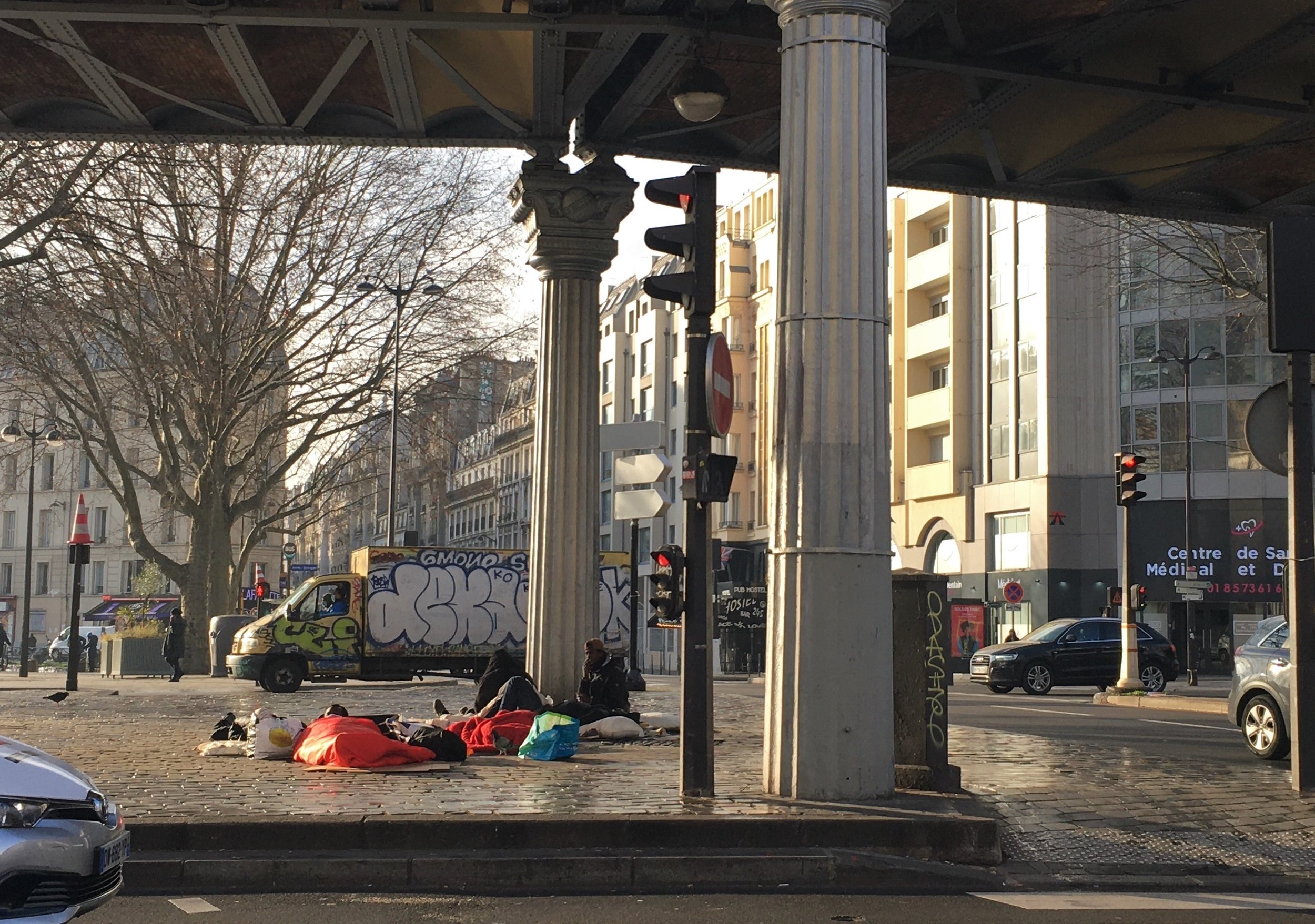
Approaching the busy intersection at Stalingrad, dodging cars, bikes, and mopeds, we are yet again aware of the diversity of this city and the many needs. We watch the young men, most likely refugees who have fled their war-torn countries, position their sleeping bags over the underground metro grates in an attempt to find warmth in the freezing January temperatures. We praise the Lord that He sees each soul and every injustice, and that He is at work even when we don’t see it. 


Finally we reach our destination at Stalingrad, ending our walk at the Canal Saint Martin, a crossroads of young hipsters, poverty, homelessness, trendy cafes, drug abuse, and immigration. We are thankful for this reminder of both the beauty and brokenness of Paris. We recognize even more the need for more laborers to take the Gospel to all corners of this city and society. Turning our heads to the right and to the left we are yet again struck by all the men here, reinforcing that particular need. We again ask God to raise up men who can build relationships with men in Paris, faithfully preach the Word, and be salt and light! 


“Trust!”


Will you join us in praying for Paris and all these needs? Will you pray that God raises up more laborers for His harvest field in France? 

DIFFERENT TIMES, DIFFERENT CHOICES, THE SAME HEART FOR MISSION

(READ ARTICLE IN DUTCH)

Three generations of Teeuwen men felt moved by the need in Albania. What have they learned from each other about mission? And how do stories about courage and faith inspire the young people of today? Jacques (93), Andrew (57) and Joab (22) Teeuwen share on their connection with Albania and the power of stories.

A journey with far-reaching consequences

Immediately after his conversion in 1952, Jacques realised: “I need to share this news with others.” He and his wife Ruth (90) led an adventurous and international missionary life for many years. For thirteen years they worked in Papua (Dutch Papua New Guinea at the time), and Jacques made countless trips to communist countries behind the Iron Curtain. 

One of the journeys that stands out is the one to Albania in 1979. The country proudly declared itself to be the first atheist country in the world. A statement that struck a chord in Jacques. “I wanted to go there! Although Albania was a closed country, my travel companion and I found a way: go in ‘undercover’ with a communist tour group. This wasn’t without its dangers. The secret police searched our rooms for forbidden items, such as photo cameras or bibles. We would have been deported or - worse yet - arrested if someone found out we were Christians.” 


“God has to rise to the challenge and reveal Himself”


Jacques’ son Andrew remembers that time vividly. “My father often travelled undercover to countries to smuggle Bibles and it was always thrilling. But the Albanian trip was intense. I said goodbye to my father, wondering if I would ever see him again. At the same time, I was struck by his faith. I was as outraged as he was that a country or government simply declared that God did not exist. I thought, ‘God has to rise to the challenge and reveal Himself.’ So, as a 15-year-old boy, I decided to pray daily for Albania.” 

During his stay in Albania, Jacques did not meet a single Christian. As his plane took off, he prayed over the country: ‘Lord, give me this mountain for you’. He didn’t know that years later, his son - who is now the regional leader of Pioneers Southern Europe - would become a missionary in those same mountains and start a Christian congregation there. Andrew's love for that country and its people can be traced back to his father's one journey. “Eleven years after my father's reconnaissance trip, I had my very first encounter with an Albanian. Finally, I was talking to one of the people I had prayed for for so long. It was an amazing and emotional moment,” Andrew says, with tears in his eyes. 

Three generations of commitment

Jacques and Ruth passed on their heart for mission to their children and grandchildren. Andrew knew from a young age that he wanted to be a missionary. “When the Danis - an indigenous tribe in the jungles of Papua - discovered that the gospel had been around for nearly 2,000 years, their only question was: ‘Why did you wait so long to come here?’ Our son was very moved by this reaction,” Jacques explains. “That’s why he now works with Pioneers, an organisation that wants to take the Gospel to unreached people groups.” 

This heart for Albania continued into the third generation. Grandson Joab – who has just finished his Bachelor’s in Communication Sciences – will soon be going to Albania to prepare for a youth mission trip, and he was there in 2018 with his church’s youth group: “That was the first time I saw poverty up close. It was a wonderful opportunity to be able to help the people there.” 

“You have a responsibility to share your story”

The trip to Albania is only one of Jacques’ many remarkable stories which you can read in his Dutch book God verandert grenzen. Stories that, as far as Andrew is concerned, should be passed on. “The biographies and stories of heroes of the faith are uplifting and challenging. Courageous faith full of obedience and trust in God is one example. I see it as the responsibility of older people to pass on their experiences, to encourage younger generations.” Joab, Jacques’ grandson and Andrew’s nephew, feels the same way: “I feel inspired by the way my grandpa and grandma faced every adventure full of faith. They have been helping people their entire lives, without getting anything material in return. As young people, we can learn from that.” 

Modern-day missions: group chats and a surf school.

The way evangelism is done has certainly changed over the years. Where Jacques spoke before large crowds, Andrews' method is personal conversations and Joab mainly embodies the gospel by helping people who are experiencing poverty. 50 years ago, Jacques and Ruth had to travel for two days through Papua to make a telephone call, but Andrew is now in a group chat with his Albanian congregation. Andrew says: “These days, the term ‘missions’ can sound old-fashioned. But when you understand what God's desire is for all nations, it takes on real meaning. At Pioneers we even have missionaries who run a surf school. And praying and giving are also crucial parts of the call. You don’t have to go all the way to Papua - you can be a witness anywhere!” 


VERSCHILLENDE TIJDEN, VERSCHILLENDE KEUZES, HETZELFDE HART VOOR MISSIE

(READ IN ENGLISH)

Drie generaties Teeuwen-mannen werden geraakt door de nood in Albanië. Wat leren ze van elkaar over zending? En hoe inspireren verhalen over moed en geloof de jongeren van nu? Jacques (93), Andrew (57) en Joab (22) Teeuwen aan het woord over hun betrokkenheid bij Albanië en de kracht van verhalen.

Een reis met verstrekkende gevolgen

Direct na zijn bekering in 1952 beseft Jacques: “Dit nieuws moet ik aan anderen vertellen.” Hij en zijn vrouw Ruth (90) leidden jarenlang een avontuurlijk en internationaal zendelingenbestaan. Zo werkten ze dertien jaar in Papoea – toenmalig Nederlands Nieuw Guinea - en maakte Jacques voor Open Doors talloze reizen naar communistische landen achter het IJzeren Gordijn.

Een bijzondere reis was die naar Albanië in 1979. Het land verklaarde trots het eerste atheïstische land ter wereld te zijn. Een statement dat Jacques diep raakte. “Ik wilde erheen! Hoewel Albanië een zeer gesloten land was, vonden mijn reisgenoot en ik een manier: ‘undercover’ mee met een communistische reisgroep. Niet zonder gevaar. Onze kamers werden doorzocht door de geheime politie op verboden voorwerpen, zoals fotocamera’s en bijbels. En we zouden het land uitgezet of - nog erger – opgepakt zijn als iemand had ontdekt dat we christenen waren.”

Jacques’ zoon Andrew herinnert zich die tijd nog levendig. “Mijn vader ging vaker in het geheim naar landen om bijbels te smokkelen en dat was altijd spannend. Maar de Albaniëreis was echt heftig. Ik nam afscheid van mijn vader, mezelf afvragend of ik hem ooit zou terugzien. Tegelijkertijd sprak zijn geloof me enorm aan. Ik was net zo verontwaardigd als hij dat een land of regering gewoonweg verklaarde dat God niet bestond. God moest die uitdaging aangaan en zichzelf openbaren, vond ik. Dus besloot ik - als 15-jarige jongen – dagelijks voor Albanië te bidden.”

Het evangelie heeft sinds de jaren 90 in het hele land vrucht gedragen. Er zijn van noord tot zuid en van oost naar west kerken die de naam van Jezus groot maken en verkondigen.

De gemeente die toentertijd in het noordoosten van Albanië (in Peshkopi) door het Pioneers team is gesticht, gaat nog steeds door. Zij wordt luchthartig als 'kraamafdeling' betiteld omdat er daar voortdurend vooral jongeren tot geloof komen die de stad dan verlaten en zich in de hoofdstad Tirana of in het buitenland bij een andere gemeente aansluiten. De gemeente in Peshkopi heeft in de jaren negentig in Kosovo een nieuwe gemeente gesticht, onder anderen door het uitzenden van twee jonge Albanezen naar Kosovo.

Er is ook een Pioneers team werkzaam onder de Roma in de buitenwijken van Tirana. Ze runnen daar een kleuterschool en geven praktische en geestelijke steun aan de inwoners van die wijken. Omdat de meeste Roma analfabeet zijn worden bijbelse verhalen mondeling overgedragen.

Tijdens zijn verblijf ontmoet Jacques geen enkele christen in Albanië. Terug in het vliegtuig bidt hij uit over het land: “Heer, geef mij dit bergland voor U”. Hij kon toen niet vermoeden dat zijn zoon jaren later zendeling zou worden in diezelfde bergen en er een christelijke gemeente zou starten! “Elf jaar na mijn vaders verkenningsreis had ik mijn allereerste ontmoeting met een Albanees. Eindelijk sprak ik iemand van het volk waar ik al zo lang voor bad. Een geweldig en ontroerend moment”, vertelt Andrew met tranen in zijn ogen.

Drie generaties van betrokkenheid

Jacques en Ruth gaven hun zendingshart door aan hun kinderen en kleinkinderen. Zo wist Andrew al jong dat hij zich wilde inzetten voor de zending. “Toen de Dani – een inheemse stam in de jungle van Papoea – ontdekten dat het evangelie al bijna 2000 jaar bestond, was hun enige vraag: ‘Waarom hebben jullie zo lang gewacht met hierheen komen?’ Die verbazing raakte onze zoon diep”, vertelt Jacques. “Daarom werkt hij voor Pioneers, een organisatie die onbereikte volken wil bereiken met het evangelie.” Andrew is tegenwoordig regioleider van Pioneers Zuid Europa.

De betrokkenheid bij Albanië bereikte ook de derde generatie. Zo gaat kleinzoon Joab – net klaar met zijn bachelor communicatiewetenschappen – binnenkort naar Albanië als voorbereiding op een jongerenreis en was hij er in 2018 met de jongerengroep van zijn kerk: “Dat was de eerste keer dat ik armoede van dichtbij zag. Een geweldige kans om mensen daar te mogen helpen.”

‘Je verhaal delen is een verantwoordelijkheid’
De reis naar Albanië is slechts een van Jacques’ vele bijzondere verhalen die u kunt lezen in zijn boek God verandert mensen*. Verhalen die wat Andrew betreft doorgegeven moeten worden. “Biografieën en verhalen van geloofshelden zijn opbouwend en uitdagend. Moedig geloof vol gehoorzaamheid en vertrouwen op God is een voorbeeld. Ik zie het als verantwoordelijkheid van ouderen om hun ervaringen door te geven, om jongere generaties aan te moedigen.”

Joab ervaart dat ook: “Ik vind het inspirerend hoe mijn opa en oma met vertrouwen ieder avontuur aangingen. Ze hielpen hun hele leven mensen, zonder daar fysiek iets voor terug te krijgen. Daar kunnen we als jongeren van leren.”

Moderne zending: groepsapp en surfschool

De manier van evangelisatie is door de jaren heen wel veranderd. Waar Jacques voor grote menigten sprak, is Andrews’ methode het persoonlijke gesprek en geeft Joab het evangelie vooral handen en voeten door mensen in armoede te helpen. En terwijl Jacques en Ruth vijftig jaar geleden in Papoea twee dagen moesten reizen voor een telefoongesprek, heeft Andrew een groepsapp met zijn Albanese gemeenteleden. Andrew vertelt: “Zending kan tegenwoordig ouderwets klinken. Maar als je begrijpt wat Gods verlangen is voor alle volken, krijgt zending echt betekenis. Bij Pioneers hebben we zelfs zendelingen met een surfschool. En bidden en geven is ook een opdracht, dus je hoeft niet naar Papoea te gaan. Getuige zijn kan overal!”

Geïnspireerd worden door meer verhalen? We delen ze op www.pioneersnederland.org

* Het boek van Jacques Teeuwen is verkrijgbaar bij de christelijke boekwinkel of via internet

Pray for Greece as Wildfires Rage

Over the past week and a half the nation of Greece has been battling 586 forest wildfires in the hottest weather they’ve experienced in over 40 years. Tens of thousands of acres of forest have burned, one volunteer firefighter was killed and two more are in intensive care with burns, and more than 60,000 people had to flee their homes and the fires.

Greek Prime Minister Kyriakos Mitsotakis said, “We managed to save lives, but we lost forests and property,” and called the wildfires “the greatest ecological catastrophe of the last few decades.”

Pray for the fires to be completely extinguished and for the people of Greece to seek comfort and help from God. One Pioneer worker says the situation is frightening and unpredictable and everyone is on alert and anxious. Pray that Greeks, as well as the many migrants who live there, might do what Paul encouraged the Philippians to do, “Do not be anxious about anything, but in every situation, by prayer and petition, with thanksgiving, present your requests to God. And the peace of God, which transcends all understanding, will guard your hearts and your minds in Christ Jesus” (Philippians 4:6-7).

Nearby Turkey and Italy, as well as Algeria in North Africa and Siberia in northern Russia, as well as the western United States are all battling fires of catastrophic proportions. Scientists claim climate change is to blame.

Midweek Memo: 5 Deaths and Great Destruction Caused by Rare Tornado in Czech Republic

Last Thursday a storm including a tornado and tennis ball sized hail swept through several villages in South Moravia, Czech Republic. The tornado killed five people and injured dozens, including 45 people who were admitted to the hospital, with six in serious condition. Czech officials say around 1,000 homes were severely damaged.

Photos and videos of the destruction show homes and businesses without roofs, cars overturned, trees uprooted, lumber and glass strewn about, and total devastation of entire neighborhoods. Winds of at least 219km/h (136 mph) were recorded, but one Czech meteorologist reports winds possibly clocked at above 332 kph (206 mph).

Please pray for the Czech citizens and leaders as they grieve the loss of life in their communities, as well as continue the cleanup effort. The Czech Republic remains near the top of the list of the world’s most atheist nations. Pray that this natural disaster would cause Czech people to cry out to their Creator and Savior, to seek God and find him.

(Photo credit Vojtěch Bernátek via @CzechView21 and @KeraunosObs).

Sources:

https://www.cnn.com/2021/06/25/europe/czech-republic-tornado-intl/index.html

https://www.bbc.com/news/world-europe-57605651

https://worldpopulationreview.com/country-rankings/most-atheist-countries

Midweek Memo: Euro 2020 Underway After a Yearlong Covid Delay

Euro 2020, Europe’s continent-wide football (soccer) championship held every four years, is now underway after a yearlong delay due to Covid. The tournament is being held across Europe from June 11 - July 11, 2021 and still goes by the name Euro 2020. Portugal is the defending champion from 2016. 

The tournament’s opening game was held in Stadio Olimpico in Rome, including Turkey and Italy. The semi-finals and final game will be held at Wembley Stadium in London. 

32 matches will be played in 11 countries: Azerbaijan, Denmark, England, Germany, Hungary, Italy, Netherlands, Romania, Russia, Scotland, and Spain. 

The 24 teams competing hail from Turkey, Italy, Wales, Switzerland, Denmark, Finland, Belgium, Russia, Netherlands, Ukraine, Austria, North Macedonia, England, Croatia, Scotland, Czech Republic, Spain, Sweden, Poland, Slovakia, Hungary, Portugal, France, and Germany. 

Rejoice with us that this beloved sporting event can now take place one year later. Also, considering taking a moment to look up each country and how many Evangelical Christians live there. Across the continent only about 2.7% of people claim Jesus Christ as their Lord and Savior. As you watch each match, pray that the diverse people of each nation would become a people of God’s own possession, that they might proclaim the excellencies of him who called them out of darkness and into his marvelous light (1 Peter 2:9). 

Image credit: UEFA

Midweek Memo: The EU Responds to Belarusian Hijacking

European Union leaders met today and agreed upon several sanctions against the eastern European nation of Belarus, following what Ursula von der Leyen, the president of the European Commission, called a hijacking and an attack on democracy.

This past Sunday Belarusian authorities told flight controllers there was a bomb on board a Ryanair flight heading from Athens to Vilnius in Lithuania. Belarusian President Alexander Lukashenko personally ordered a MiG-29 fighter jet to accompany the plane to the Minsk airport. No explosives were found on the plane however, Roman Protasevich and his girlfriend were on board and both were immediately detained by Belarusian authorities when the flight landed.

Protasevich is a young journalist who is outspoken against President Lukashenko and his regime, and he is the co-founder of the Nexta Telegram channel, which has played a leading role in the wave of protests in Belarus against the 2020 re-election of Lukashenko who has been in power since 1994.

Western nations are unanimously outraged and this most recent incident serves as a reminder that hundreds of political prisoners remain unjustly detained in Belarus. Western leaders agree that Lukashenko’s re-election in August 2020 was fraudulent and tens of thousands of Belarusians have risked their lives and imprisonment since last year to protest the current regime.

Pray for the safety and release of Protasevich and his girlfriend, for peace in Belarus, for the truth to prevail, and for followers of Jesus to shine especially brightly in these dark days. Pray for Christian leaders and workers throughout Eastern Europe to have wisdom, peace, and courage in midst of corruption.

Midweek Memo: EU Borders Opening Up to Vaccinated Visitors

Representatives from the 27 member states of the European Union approved a recommendation made by the European Council to start allowing vaccinated visitors from outside the bloc into the EU. Commission spokesman Christian Wigand told reporters on Wednesday that while an agreement has been made, the EU Council must still formally adopt it. With the summer tourist season quickly approaching, leaders are eager to find safe ways to welcome vaccinated people in.

The EU’s external borders closed in March 2020 because of the Covid-19 pandemic and member states have been constantly updating a list of countries from which visitors could visit for the past year. As the plan takes shape for vaccinated visitors to enter, the EU is also making an emergency plan to close borders, should the pandemic worsen due to travel or increased variants.

This is great news for Pioneers and other workers who have been waiting a whole year to arrive on the continent. Many missionaries, teachers, and other religious workers have been in a year-long holding pattern and now they can begin to plan for their departure to the field. Additionally, increased vaccinations and open borders will allow for summertime camps, which are an important resource for sharing the love of Christ throughout Europe. Pray for both long-term and short-term missions in Europe this summer. Pray that after a year of isolation, Europeans will be eager to gather and hungry to know their Creator and Savior.

Midweek Memo: Record Number of Migrants Seeking Refuge Land on Italian Island Over the Weekend

More than 2,100 migrants arrived on the shores of an Italian island over the weekend. Lampedusa is about 200 miles from both Tunisia and Libya and is one of the main arrival ports for people wanting to reach Europe from North Africa. Sunday witnessed the highest single-day number of migrants arriving at an Italian port so far in 2021. News agencies and NGOs reported seeing boats carrying as many as 400 men, women, and children and several of those vessels were in distress.

Alarm Phone, an NGO that provides independent support for people crossing the Mediterranean Sea to the EU, tweeted in the early morning hours on Sunday, “There are now 5 boats in distress in Maltese SAR zone. The situations on board are critical. Although all authorities are informed, no one has intervened to carry out a rescue operation. Night has fallen: will ~419 people be left at sea? Rescue is needed now! #DontLetThemDrown.”

The tweet highlights the ongoing disagreement across the EU as to how to handle the unceasing flow of migrants from North Africa. Approximately 11,000 migrants have landed on Lampedusa since the start of the year, which is more than double for the same period last year, but still less than 2015, which is considered the height of the migrant crisis. According to the UN in 2019—the year for which we have the most recent data—26 million refugees and 45.7 million internally displaced persons live in the EU.

Pray for citizens and politicians alike to honor and protect the Imago Dei in all migrants arriving on the shores of the EU. Pray for wisdom, compassion, and perseverance in this ongoing crisis. Pray for fresh energy for the Pioneers in Europe and other Christian workers seeking to alleviate suffering in this region.

Midweek Memo: Sarajevo Under Siege from Covid-19

Springtime in the city of Sarajevo has seen an average of 10-13 deaths per day due to the Covid-19 virus. In a city of 344,000, healthcare workers and residents alike feel under attack. The population hasn’t witnessed a loss of life like this since it was under siege during the Bosnian War in the 1990s when 11,000 people died in Sarajevo alone. City cemeteries now have trouble keeping up with daily burials of those who have succumbed to Covid-19.

This is the deadliest period of the pandemic so far in Sarajevo, which is the capital of Bosnia and Herzegovina, a country that became an independent republic after the Bosnian War in 1995. The nation’s constitution requires a three-member Presidency to represent each major ethnic group in the region: Eastern Orthodox Serbs, Bosnian Muslims and Catholic Croats. While the limitation of power for each ethnic group is intended to keep peace amongst them, many say it has made it difficult for the country to pursue aggressive measures in fighting Covid. The complicated structure has made it difficult to obtain vaccines and ventilators and residents have taken their frustrations to the streets in protest, even as their Balkan neighbors Serbia and Croatia have rolled out effective vaccine programs.

Pray for the residents, healthcare workers, and government officials in Sarajevo, as they long for an end to the pandemic. Pray for the Christian church, that it would be a bright light in dark times. Pray for the local Christians and the Pioneers there to boldly share the love and security of Jesus Christ in the midst of so much suffering and uncertainty.

Midweek Memo: Church Leaders in Ireland Decry the Criminalization of Corporate Worship

Since the Covid-19 pandemic began in March 2020, churches in Dublin, Ireland have only been allowed to gather for worship fourteen times. Corporate worship has been banned—but not criminalized—across the country for months, as a matter of public health regulation. That changed on April 16, though, when the Irish Health Ministry signed a new law into effect, making meeting for church a criminal offense.

A statement of the Church leaders of The Dublin Gospel Partnership says, “While we appreciate the unprecedented difficulties government has faced, and thank God for the desire to promote peace and protect life, the introduction of this statutory instrument…has criminalised religious freedoms that the government is obliged to protect.” The statement concludes, “For the good of this nation and for the glory of God, we call again for freedom to worship the risen Lord Jesus Christ - our hope in life and death, and the only Lord of all.”

Pray for Pioneers workers throughout Ireland and their co-laborers, as they seek to honor the Lord, their communities, and their faith families under this new law.

Midweek Memo: Third Covid Wave Devastating Europe

A third wave of Coronavirus is taking a devastating toll on Europe. The massive increase in cases seems to be the result of the variant known as B.1.1.7. The variant was first detected in the United Kingdom. Two months ago the World Health Organization warned that it would likely become the dominant strain in Europe and cause a huge uptick in cases, hospitalizations, and deaths, as early studies suggest it is more contagious and possibly deadlier than previous virus strains.

A variety of tables and charts reveal that Europe is indeed at the heart of the world’s toughest fight against Coronavirus at this time. Measurements of Covid-19 cases per capita, new cases, or where hospitalization rates are becoming unmanageable include countries such as Estonia, Hungary, Czech Republic, Serbia, Montenegro, Poland, Bulgaria, France, Sweden, Netherlands, Belgium, Austria, and Italy. 

Pray for Europeans to cry out to God and find him during this trial. Pray for missionaries to be wise, bold, and ready to share the truth of Jesus Christ. Pray for national leaders to make wise decisions for their people. Pray for the God of all comfort to draw near to those who are suffering and mourning. May this Easter weekend be one of resurrection and revival across the continent. 

Midweek Memo: Swiss Burqa Ban

Welcome to our first Midweek Memo! Every Wednesday we will share one brief news story from the continent of Europe. Our goal is to simply bring the diverse peoples of Europe to the forefront of our readers’ thoughts. No commentary, just news. Our prayer is that as you see and hear more of Europe some of you will be eager to go and share Jesus on a continent where the vast majority of people do not know him as Lord and Savior. 

In Switzerland on Sunday 51.21% of voters approved the so-called Burka Ban. This means that facial coverings including the niqab and the burqa will not be allowed in public places such as public transport, restaurants, and on the streets. Face coverings are still permitted for health reasons and in places of worship. 

The very slight approval margin reveals Swiss division on the matter. While some say it’s a religious rights violation, others see it as a step toward liberating women who reside in Switzerland. Currently, virtually no women wear burqas in the country, while only about 30 women don a niqab. 

Muslims in Switzerland largely come from Turkey, Bosnia and Herzegovina, and Kosovo and they make up only 5% of the total population. 36.5% of the country is Roman Catholic, 25% has no religious affiliation, and 24.4% are Evangelical Reformed Christians. The country is rich with the history of the Protestant Reformation, with Zwingli’s influence in Zurich and Calvin’s in Geneva in the 16th century.

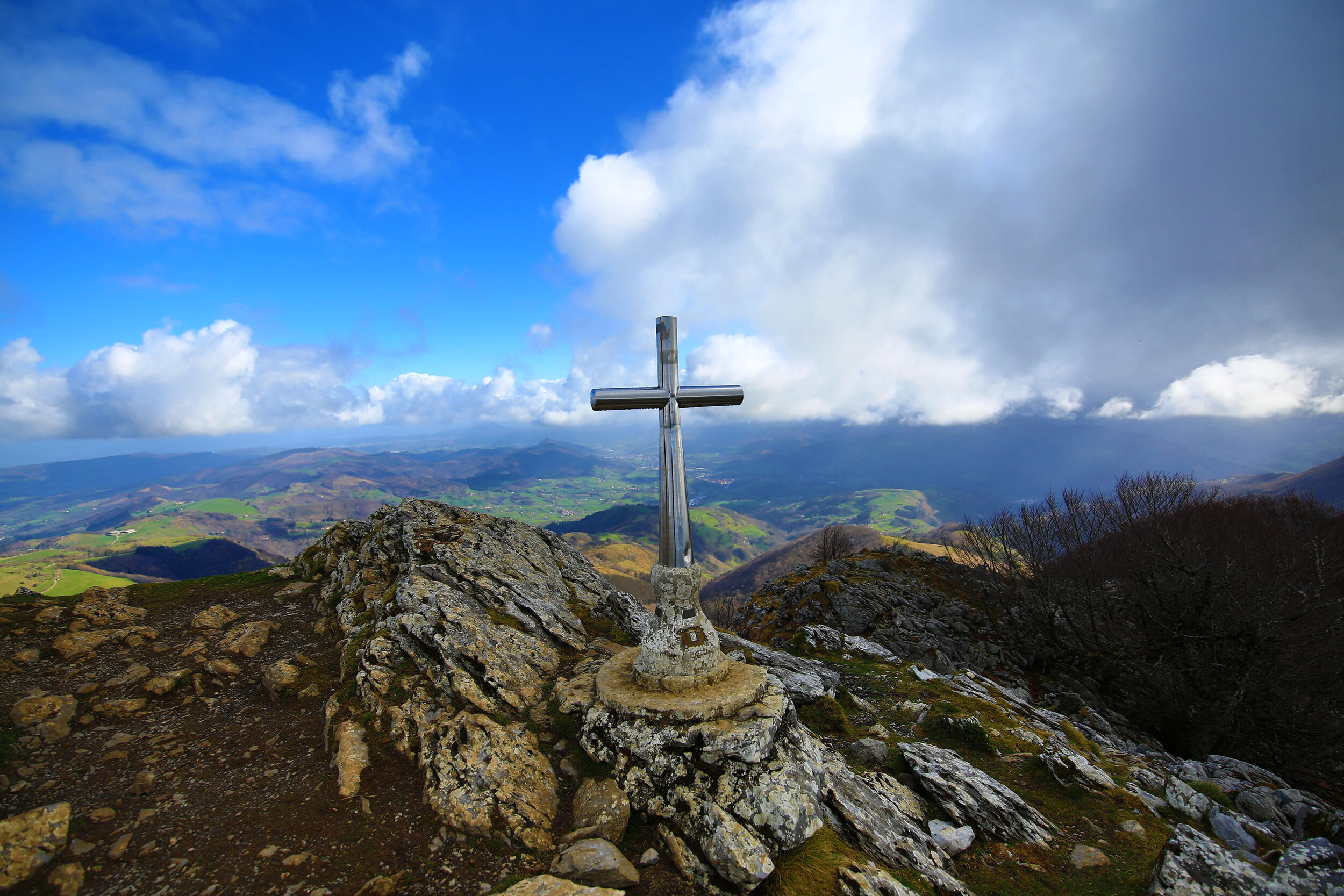
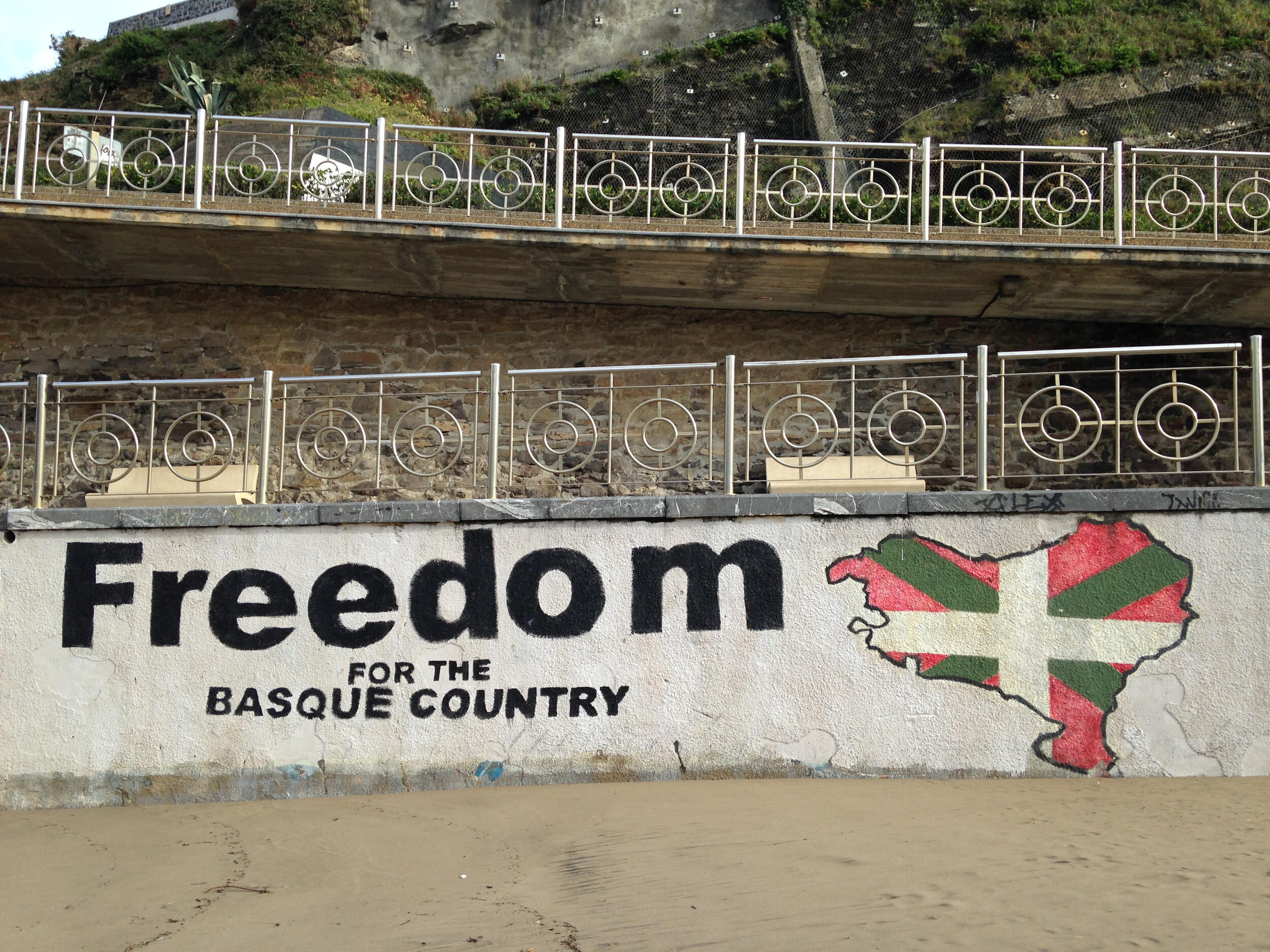
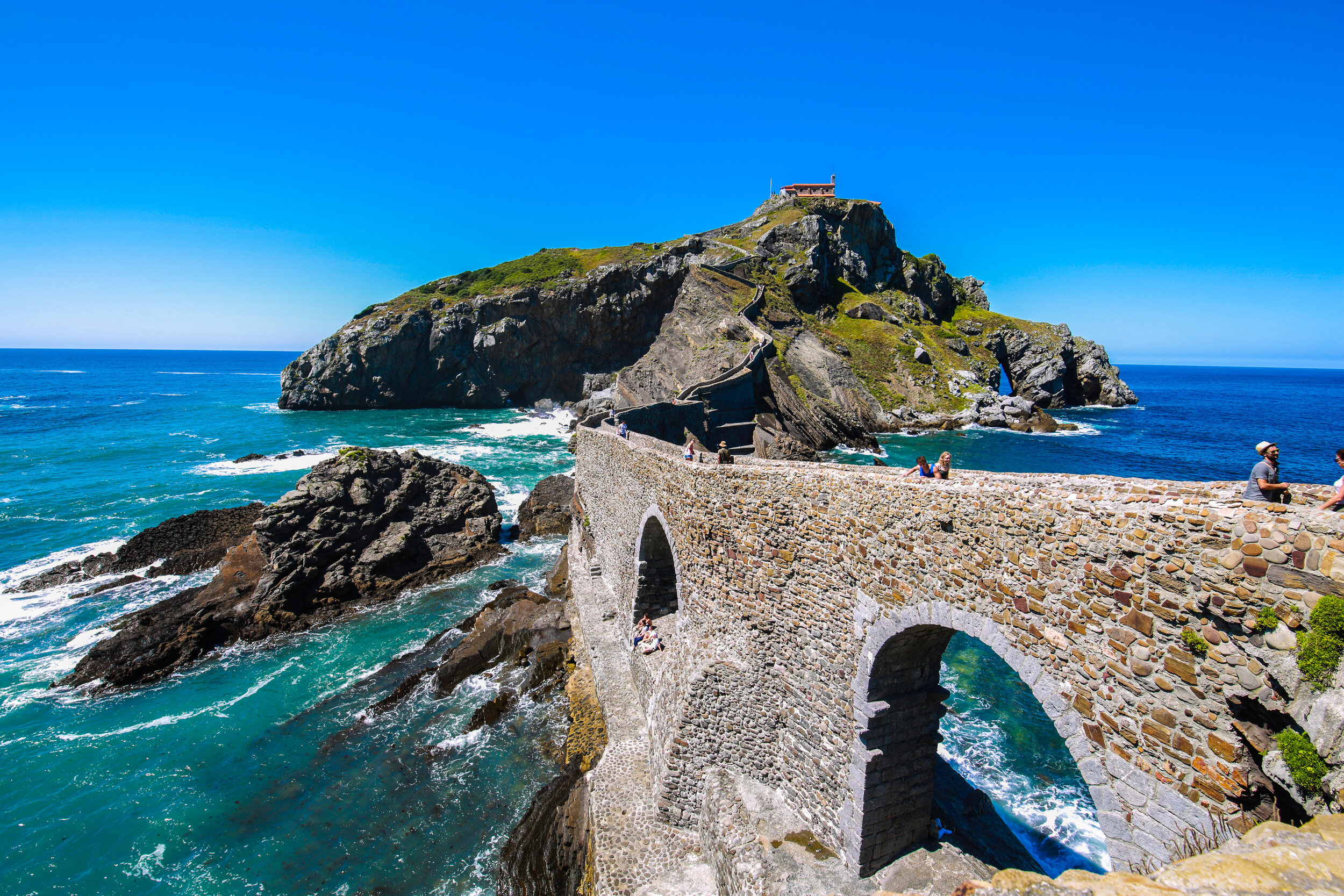
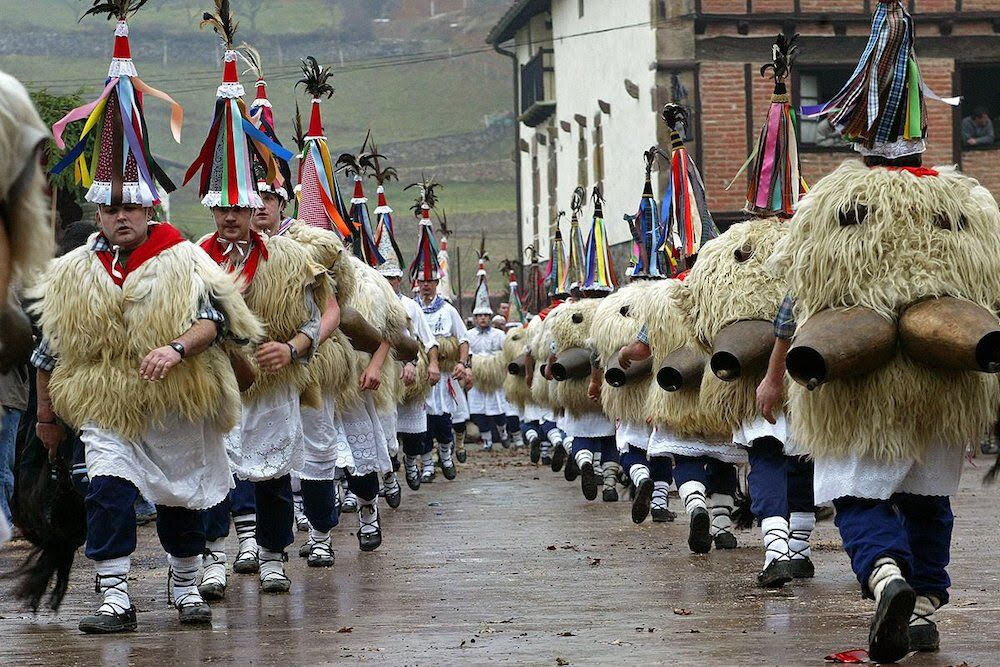
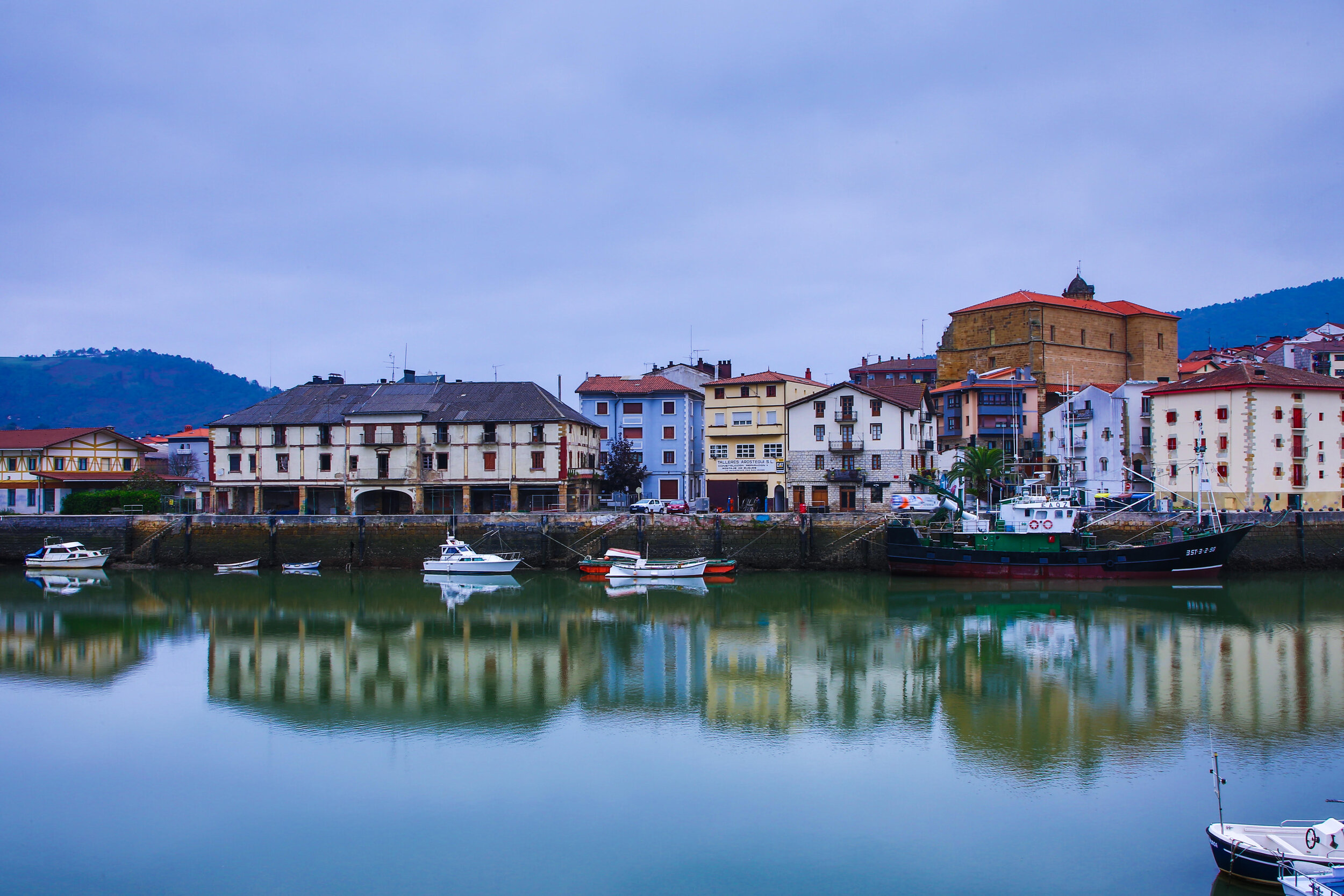
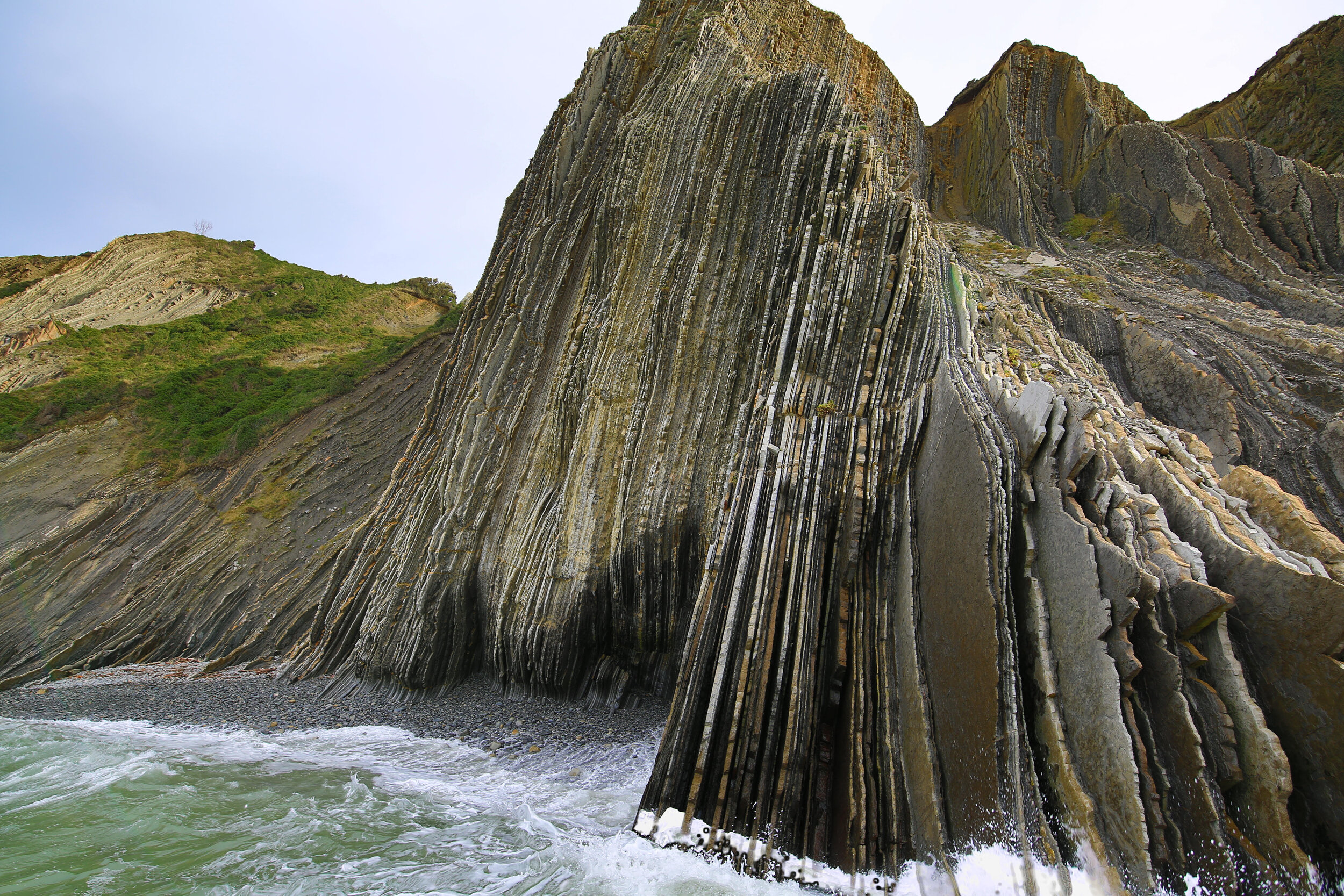
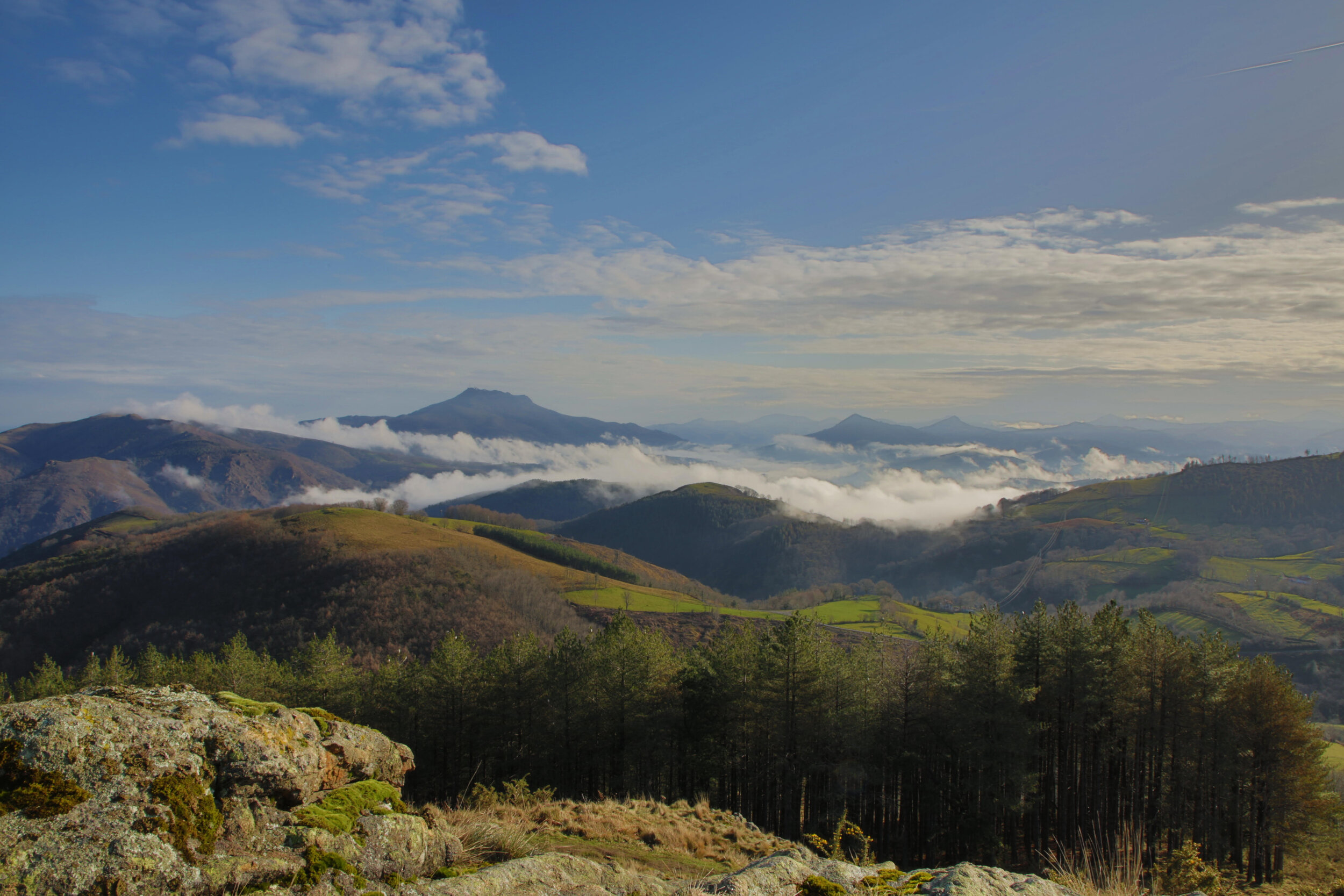
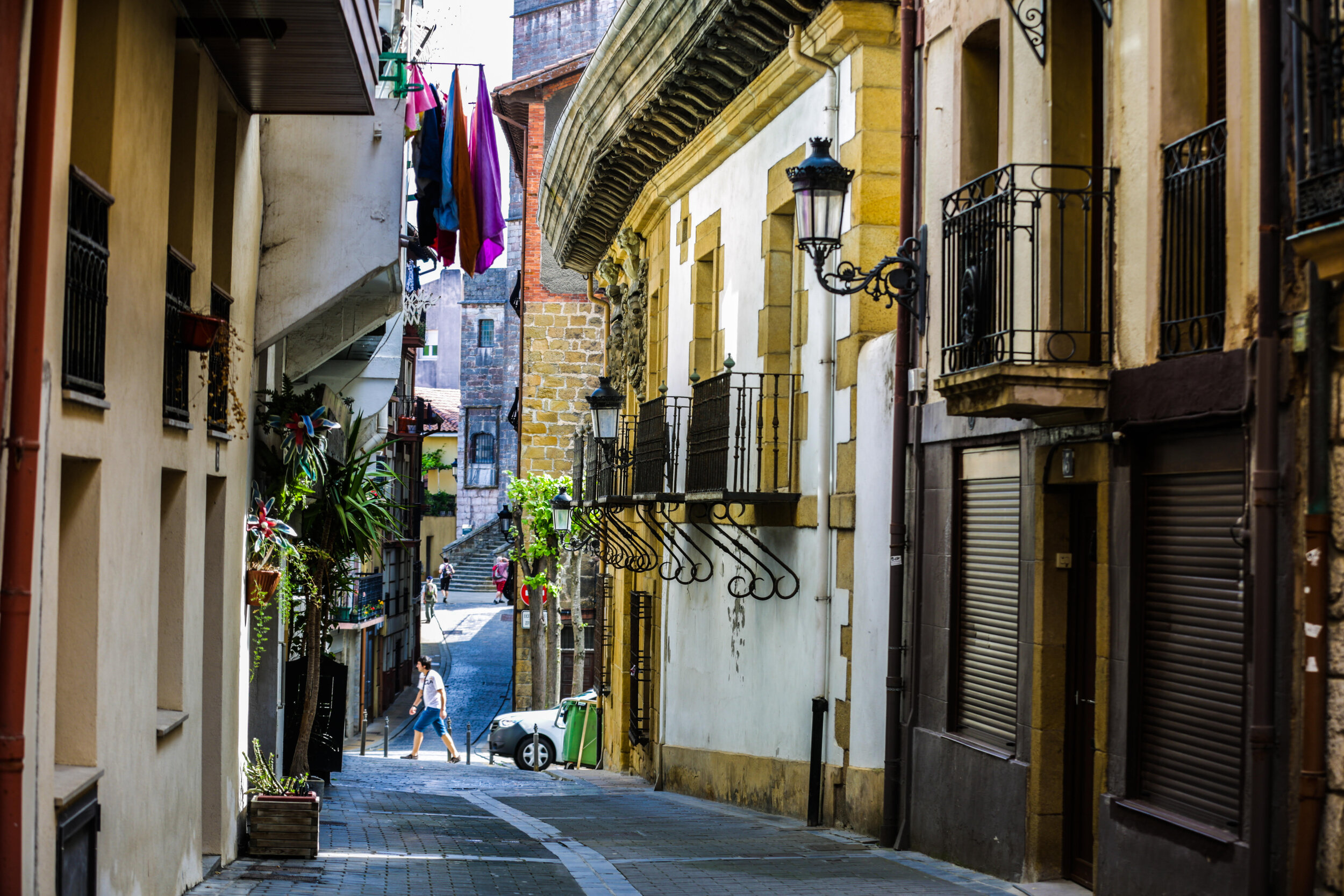
Photo Essay: Basque Country

(On a mobile device? Turn device sideways to see picture description)

I'm Interested in Going → Basque Country

On The Ground in Nice, France: Ministry In A Time of Fear and Terror

On Thursday, October 29th a young Tunisian man with a knife attacked worshippers in a French church killing three people. (AP Photo/Daniel Cole)

On Thursday, October 29th a young Tunisian man with a knife attacked worshippers in a French church killing three people. (AP Photo/Daniel Cole)

From a Pioneers Worker in Nice, France

Along with our teammates, my wife and I serve at a ministry café each Thursday. The Davidsons had already arrived earlier than the 9AM attack, but we were still on our way on the tramline. We missed a tram and waited for the next one. If we had been on that previous tram, we would have been right near Notre Dame Cathedral when the attack happened. However, our tram was stopped because of the event which was still unknown to us. We set out on foot but another pedestrian warned us not to go down the main avenue because he had heard 7 or 8 gunshots. We got to our café fine through back-streets but crossed 4 or 5 emergency vehicles as we walked the streets.

All-day long the atmosphere in the city was subdued. The authorities cordoned off the whole area as they looked for other potential threats. Dignitaries came to pay their respect. President Macron changed his schedule to fly to Nice to show his support for our city.

I’ve been connected to France since 1987 and served here for most of the time. These last years have been the worst years for these kinds of events. Extremism is now identified as an enemy of the state and the values of the Republic. People are looking at extremist sub-cultures with distrust and fear. Recently, the trial dealing with the attack in 2015 on the office of the Charlie Hebdo magazine began. Anger and resentment are rising to the surface in the Muslim community as memories are refreshed. Emotions have run high leading to the murder of the High School teacher in Paris. Was this the same emotions that motivated the young Tunisian man to attack worshippers in the church on October 29th? When push comes to shove, moderate, even secularized Muslims become defensive. They're easily provoked to radical positions. Men that are far from living devout lives can have strong reactions in defense of their religion and prophet.

One of the outcomes of extremism is that any view that differs from French cultural norms has become suspect. This includes any expressions of the Christian faith outside of the mainstream denominations. Evangelicals as a whole are viewed this way despite all their efforts to the contrary.

Then in the midst of this falls COVID-19 with all the conspiracy theories and anti-science rhetoric swirling in its wake. It’s disheartening to hear Christians being caught up in these theories and rejecting sound science. It puts the evangelical community firmly in the extremist camp in the minds of some French people.

Most Mondays I go to the small Italian border city of Ventimillia where we serve tea and coffee to the migrants passing through on their way to France. We’ve met lots of Tunisian men over the past weeks. We didn’t cross paths with the attacker as apparently he came through Ventimillia on Wednesday. Christ calls us to be a light in a very dark world. The tendency is to hate, yet Christ calls us to love and prayer for our enemies.

We praise God that during this year we’ve seen people investigate faith and turn to Christ. After serving at the café, my wife and I went to a Bible Study with four young adults from our church. Before we got into the study, one of our friends announced that after last week’s lesson he had prayed to receive Christ that evening. What a joy to be part of his discovering Jesus! What a good way to end a difficult day.

go to France Opportunity Page

A Glimpse Into Ordinary Life and Ministry as a Missionary

“She’s finally arriving!” thinks one Pioneer in Hungary as she goes to pick up her friend from the airport. The reunion is sweet and the conversation flowing when, two minutes from the airport, her newly-purchased van breaks down on the side of the road. A few minutes and prayers later the van starts back up and continues its journey…only to break down again five minutes later. Never one to be easily defeated, she keeps chugging down the road as far as her crippled vehicle will allow her, even enlisting the help of innocent bystanders to roll the van away from an incoming bus. However, one hour later and still only a few miles from the airport, she begins weighing her options: calling a tow truck will be expensive, but at this rate, they wouldn’t get home until midnight! Finally, the hungry kids and husband waiting at home win the day, and the tow truck is called. 

Choosing to remain positive and cheerful in spite of the circumstances, she takes her friend to taste the local delicacies while they wait, headed to the nearest and only trusted establishment of the area- the Shell gas station. She easily disarms the unsmiling woman at the cash register, speaking to her in Hungarian and putting her at ease with her laughter and jokes while her friend happily munches on Hungarian candy bars. Eventually it’s time to head back to the van and the waiting tow-truck driver. 

Though tempting to just turn to her friend and catch up in English, she begins chatting with the driver, a friendly man who she discovers is a chef in his spare time. The conversation moves from the intricacies of true Hungarian cuisine to parenting challenges and finally to bad experiences with religion. How can we be sure God is real? Can we know truth? What do we think about Jesus? Who do you say He is? Pulling up to her house, the conversation ends with his conclusion of “we just can’t know for sure” and her parting question “…or can we?”. She heads inside to feed her starving children and get her tired friend settled in after an hours-long airport pickup. 

We dream of those epic moments on the field where you see extraordinary things happen and lives changed, where the Spirit comes down in great power. Yet most days are just ordinary ones full of ordinary activities. Serving on the field includes the normal frustrations and mishaps of life, whether it be missed buses or plumbing problems or cars breaking down. We are called, however, to seize the moment whatever it might be, to “make the most of every opportunity, redeeming the time because the days are evil” (Eph 5:17). Sometimes this is as simple as showing love to the woman at the cash register by engaging her in conversation or planting seeds of the Gospel as your newly-purchased-and-broken-down van is being towed home. 

Check Out Ways to Get Involved

Coronavirus in Italy: May the Peace of Christ Reign Over these Anxious Days

The Coronavirus is now wreaking havoc in Europe, as Italy has the most confirmed cases outside of Asia—283 as of this writing. The regions most affected are in northern Italy, Lombardi and Veneto, home to several Pioneers families and church plants. The cities of Milan, Rome, and Venice have all canceled public gatherings at fashion shows, soccer games, and local festivals. Government officials in Italy and beyond fear that the outbreak will easily spread across European Union borders, as citizens travel seamlessly and daily amongst Schengen nations. 

School and public meetings have been canceled by the government for at least this week in the city where Pioneers families live. Missionaries and church leaders have decided to cancel church gatherings for the same length of time. While not quarantined by law in their specific neighborhoods, our workers there report fairly empty streets and stores. They say that in general their Italian friends and neighbors are very cautious and even anxious about the outbreak. 

Pioneers in Italy ask for prayer for the following needs: 

  • Pray that they would be able to express peace and confidence in God’s sovereignty in the midst of these uncertain and anxious days. 

  • Pray that the surety of the gospel would be a bright light to worried and isolated Italians.  

  • Pray for the church in Italy, for resources and a movement of the Holy Spirit amongst those who don’t yet know Jesus. Only 1.5% of the Italian population professes an Evangelical Christian faith. 

  • Pray Psalm 91 for the Pioneers in Italy, as well as their neighbors, friends, classmates, church attendees, and all who don’t yet know Jesus:

Psalm 91: My Refuge and My Fortress

He who dwells in the shelter of the Most High

will abide in the shadow of the Almighty.

I will say to the Lord, “My refuge and my fortress,

my God, in whom I trust.”

For he will deliver you from the snare of the fowler

and from the deadly pestilence.

He will cover you with his pinions,

and under his wings you will find refuge;

his faithfulness is a shield and buckler.

You will not fear the terror of the night,

nor the arrow that flies by day,

nor the pestilence that stalks in darkness,

nor the destruction that wastes at noonday.

A thousand may fall at your side,

ten thousand at your right hand,

but it will not come near you.

You will only look with your eyes

and see the recompense of the wicked.

Because you have made the Lord your dwelling place—

the Most High, who is my refuge—

no evil shall be allowed to befall you,

no plague come near your tent.

For he will command his angels concerning you

to guard you in all your ways.

On their hands they will bear you up,

lest you strike your foot against a stone.

You will tread on the lion and the adder;

the young lion and the serpent you will trample underfoot.

“Because he holds fast to me in love, I will deliver him;

I will protect him, because he knows my name.

When he calls to me, I will answer him;

I will be with him in trouble;

I will rescue him and honor him.

With long life I will satisfy him

and show him my salvation.

Photo Credit: AFP - Agence France-Presse (https://www.thelocal.it/20200224/what-do-we-know-about-the-victims-of-coronavirus-in-italy)

May God Bring Beauty from Ashes in France

The mourning began almost in unison with the fire. As the first sparks flew, Parisians stopped in their tracks, trying to believe what they were seeing. Notre Dame was burning.

Hundreds of cell phones streamed images to the watching world. The grief was not limited to the Parisians or to the French, but was felt on every continent. We all sat horrified and stupefied as the spire collapsed in on the iconic cathedral.

Onlookers sang hymns and shed tears. Strangers embraced one another. And people all over the world uploaded photos on to social media of themselves in front of Notre Dame’s western towers. A honeymoon. A semester abroad. A European vacation. Notre Dame is special to so many people from so many places.

Even as 400 firefighters gained control of the fire, French President Emmanuel Macron pledged, “I'm telling you all tonight -- we will rebuild this cathedral together. Notre Dame is our history, it's our literature, it's our imagery.”

As one mourner put it, “Paris without the cathedral is not Paris anymore.” That’s because the cathedral has stood witness for over 850 years, as French generations have come and gone. And, it is the literal center of Paris—it stands as kilometer zero on the map and all other destinations in France are measured by their distance from Notre Dame.

The cathedral is a witness, a true north, a heritage of the French.

Notre Dame is precious partly because it houses history. It sits on the Île de la Cité, an island in the middle of the River Seine, which has been important since the Roman Empire two millennia ago. The cornerstone for Notre Dame was laid in 1163, construction was completed in 1260, and the cathedral was consecrated by the Catholic church in 1345. The shape of the cathedral ebbed with the flow of various Popes and Bishops during the 200 years of construction, making it an expansive landscape of various architectural styles and whims. Restoration projects have been ongoing since after the French Revolution and continue even today.

Notre Dame is also precious because it’s home to many national treasures: France’s largest organ (nearly 7,374 pipes!), immense rose stained glass windows, dozens of paintings and carvings depicting scenes from the Bible, twin bell towers, and a treasury of Catholic relics in the archaeological crypt.

Notre Dame is no ordinary French cathedral. Notre Dame is the symbol, the heart, of a nation.

And it’s not just a Catholic symbol. While Notre Dame was originally constructed by the Catholic church, it later fell into the hands of the Cult of Reason and then into the hands of the Cult of the Supreme Being. The purpose of Notre Dame evolved during the French Revolution, first for the elevation of human reason and then for the worship of an unknown supreme being. Later, Notre Dame even became a storehouse for food before Napolean Bonaparte restored it to the Catholic Church and crowned himself emperor inside its very walls.

So, sentimentality is expected in the face of this fire. Harm has come to the French witness, their heritage, their symbol of both human achievement and faith in God. Heartbreak is warranted and we all weep with the French.

But this weeping over the fire is not really a mourning over the household of God, because that purpose was willingly done away with before. From Catholic Cathedral, to cultic temple, to a storehouse of food, and now to what amounts to a museum visited by 13 million people a year and the site of daily mass—Notre Dame has not been practically consecrated to the Lord for some time.

Here’s what’s true, though: how ever the French have purposed Notre Dame throughout the ages, God has not needed and still does not need a physical home. He was not removed by the Cult of Reason, or by the Cult of the Supreme Being, or by the storehouse of food, or by the millions who visited last year. Because, “the God who made the world and everything in it, being Lord of heaven and earth, does not live in temples made by man, nor is he served by human hands, as though he needed anything, since he himself gives to all mankind life and breath and everything” (Acts 17:25).

The church is not a building. The church is a people.

French Christians “are fellow citizens with the saints and members of the household of God, built on the foundation of the apostles and prophets, Christ Jesus himself being the cornerstone, in whom the whole structure, being joined together, grows into a holy temple in the Lord. In him you also are being built together into a dwelling place for God by the Spirit” (Ephesians 2:19-22).

The cornerstone of Notre Dame was laid in 1163, but the cornerstone Jesus “was foreknown before the foundation of the world” (1 Peter 1:20). Now, we Christ followers are “a temple of the Holy Spirit” (1 Corinthians 6:19).

Notre Dame is not God’s house in Paris. Christians are.

So yes, let’s mourn. Absolutely, let’s rightly mourn the destruction of a beautiful building, an expression of human ingenuity, a testament to human will throughout history. A place that once housed and sometimes still houses worshippers of the one true God. It is good and right to grieve the loss of centuries of work and beauty, to weep over the demise of works of art that bear truth from the Word of God. Grief and horror and heartache are all right as we wake up to the charred remains of this exceptional cathedral.

But as we weep, let’s not mourn the loss of the church in the burning of Notre Dame. Because, the truth is, in France, the church has been dying for some time. The truth is, Christianity was rejected in exchange for atheism starting in the 1700s. The truth is, secularism in France has long been codified by laïcité, the French law that forbids the influence of religion on the government. The truth is, the most recent data reveals that at least 29% of the France’s population is atheist and 63% is non-religious. The truth is, today, only 1.23% of the population in France calls themselves Evangelical Christian.

Today we rightly mourn the destruction of a beautiful and iconic building, but have we yet rightly mourned the destruction of the true church? Have we yet rightly mourned the demise of the real temple of God in France? Have we yet wept over the slow, but real, death of Christianity there?

May the videos and images of a burning Notre Dame awaken the global church to pray for France. May the heartache of a nation mobilize Christians from around the globe to “go and make disciples of [France], baptizing them in the name of the Father and of the Son and of the Holy Spirit” (Matthew 28:19). May we be moved by compassion to console a weeping people and lead them to “the Father of mercies and God of all comfort” (2 Corinthians 1:3).

Perhaps the Lord will allow beauty to rise from the literal ashes of Notre Dame. Perhaps our weeping will be turned to rejoicing. Perhaps as the cathedral is rebuilt, the true church will be revived. Perhaps our resurrection God will bring life from death in Paris, France.

Jesus longs to bring healing to France and to the entire world. Let’s pray the words of Isaiah 61, echoed in Jesus’s sermon in Luke 4, for the French and for all who have yet to believe:

The Spirit of the Lord God is upon me,

    because the Lord has anointed me

to bring good news to the poor;

    he has sent me to bind up the brokenhearted,

to proclaim liberty to the captives,

    and the opening of the prison to those who are bound;

to proclaim the year of the Lord's favor,

    and the day of vengeance of our God;

    to comfort all who mourn;

to grant to those who mourn in Zion—

    to give them a beautiful headdress instead of ashes,

the oil of gladness instead of mourning,

    the garment of praise instead of a faint spirit;

that they may be called oaks of righteousness,

    the planting of the Lord, that he may be glorified.

Today, as we scour the internet for footage from France, let’s ask our Father in heaven to bring beauty from ashes. Let’s pray, fast, give, and even consider going in joyful obedience to proclaim Christ in a dark and hurting place.

Our God in heaven is the Creator of France and he longs to be the Redeemer too. He longs to rebuild his church there.

Beauty from ashes. May it be so.

6 Ways Cross-Cultural Church Planting Has Been Good for Our Kids

When we recently unpacked our boxes in suburban Denver, it was into my daughters’ third home. But not only their third home, their third country. Third continent, actually. Third culture, third language, third way of life, third new beginning.

Though my husband and I are Colorado natives, we’d been gone a long time, and our kids had never lived here. As we met our new neighbors, they were either awestruck or incredulous. We heard, “Wow, what a great experience for your kids!” But also, “How sad. Didn’t you want them to have roots somewhere?” Even those who did respond positively would often quietly whisper their concern: “How do you think they’re handling it?” 

By the time we moved back to the States with a gaggle of teens and preteens, we’d lived out the spectrum of great joys and deep sorrows in cross-cultural church planting. The joy of new believers and baptisms and discipleship was tempered by sorrow over our girls being bullied for being different. Not to mention the long, hard days in foreign schools with vastly different values from our own.

The skeptical neighbors weren’t wrong. Our kids didn’t have roots, at least not in the traditional sense.

Instead, their roots are global, established in the soil of the Great Commission. When we left America to make disciples of all nations, we trusted that Jesus would be with us always (Matthew 28:18–20). This promise was our bedrock then, and still is now. He’s proven faithful to us and our children time and again. Cross-cultural church planting—though not without its challenges—has ultimately been a great gift to us.

Here are six things our kids—and our whole family—have learned.

1. Empathy 

Our girls spent their formative years being “other.” They didn’t grasp the language, the inside jokes, or the nursery rhymes. But one beautiful gift of being an outsider is that you gain empathy for those who have known nothing else. 

Overseas, they befriended the boy with autism, the girl whose parents neglected her, the Roma outcast. In our church plant in Denver, they’re aware of visitors, kids new to youth group, and those hurting at school. God has given them compassionate hearts (Colossians 3:12) toward outsiders, because they have walked in their shoes. 

2. Christianity Is Diverse and Global 

Having been a part of the church on three continents, our kids know that Christianity is not exclusively white and Western. They’ve participated in worship services ranging from wildly expressive to barely audible. They’ve experienced everything from high liturgy to flip-flops in the sanctuary. They know that within orthodoxy, there’s a lot of room for difference. They’ve glimpsed God’s work in a variety of tribes, tongues, and peoples (Revelation 7:9).

3. Where to Put Their Confidence 

When I asked my girls to list some blessings from cross-cultural church planting, they all immediately said something like, “I’m brave,” or “I’m flexible,” or “I know God will help me.” Their faith has been stretched—as has ours. They know we’ve only been willing to do hard things because God has enabled us to do so. They’ve labored in prayer and experienced Jesus with us in all the places we’ve called home. 

4. The Church Is Family 

Our children have known firsthand the truth of Christ’s promise: “Everyone who has left houses or brothers or sisters or father or mother or children or lands, for my name’s sake, will receive a hundredfold” (Matthew 19:29). While it’s true no one can fill the shoes of our kids’ biological grandmas, grandpas, aunts, uncles, and cousins, God did provide a hundredfold. 

Other church planters and local Christians became aunties and uncles to my girls. We had friends we could call in the middle of the night, and brothers and sisters who laid down their lives for us. Our kids didn’t lack relational support overseas, because God was faithful.

5. Home Is Not Here

As a family, we have a sense that there’s no true home for us here on earth. No matter where we are, we feel a bit homesick—this awareness that we aren’t really home, we don’t really fit. With Paul, we say, “our citizenship is in heaven, and from it we await a Savior, the Lord Jesus Christ” (Philippians 3:20). One day we will enter our real home, where we will share a deep and unblemished connection with all who are gathered there.

6. Unity in Mission Fosters Joy 

Here’s perhaps the best gift: Being on mission together has fostered great joy in our family. In each country we’ve felt and prayed Paul’s words: “We were ready to share with you not only the gospel of God but also our own selves, because you had become very dear to us” (1 Thessalonians 2:8). Our kids have truly partnered with us in loving nonbelievers and shining the light of Christ in dark places. This unity in mission has drawn us close to one another as we’ve labored and celebrated together.

In the early years of church planting, a mentor shared wise words with my husband and me: “Never sacrifice your family for the mission, but do sacrifice as a family for the mission.”

There have been sacrifices. Our kids have paid a price. All cross-cultural church planters must count the cost. Not every family can move overseas. Many are called to irreplaceable roles in their hometowns and local churches. But for those who sense that cross-cultural church planting might be for them, know this: Sacrificing as a family for the mission is costly, but Christ is worth it.

Jesus will provide a hundredfold—to you and to your children. He will indeed be with you, in every nation, to the end of the age.

Author’s Note: This article first appeared here, at The Gospel Coalition.