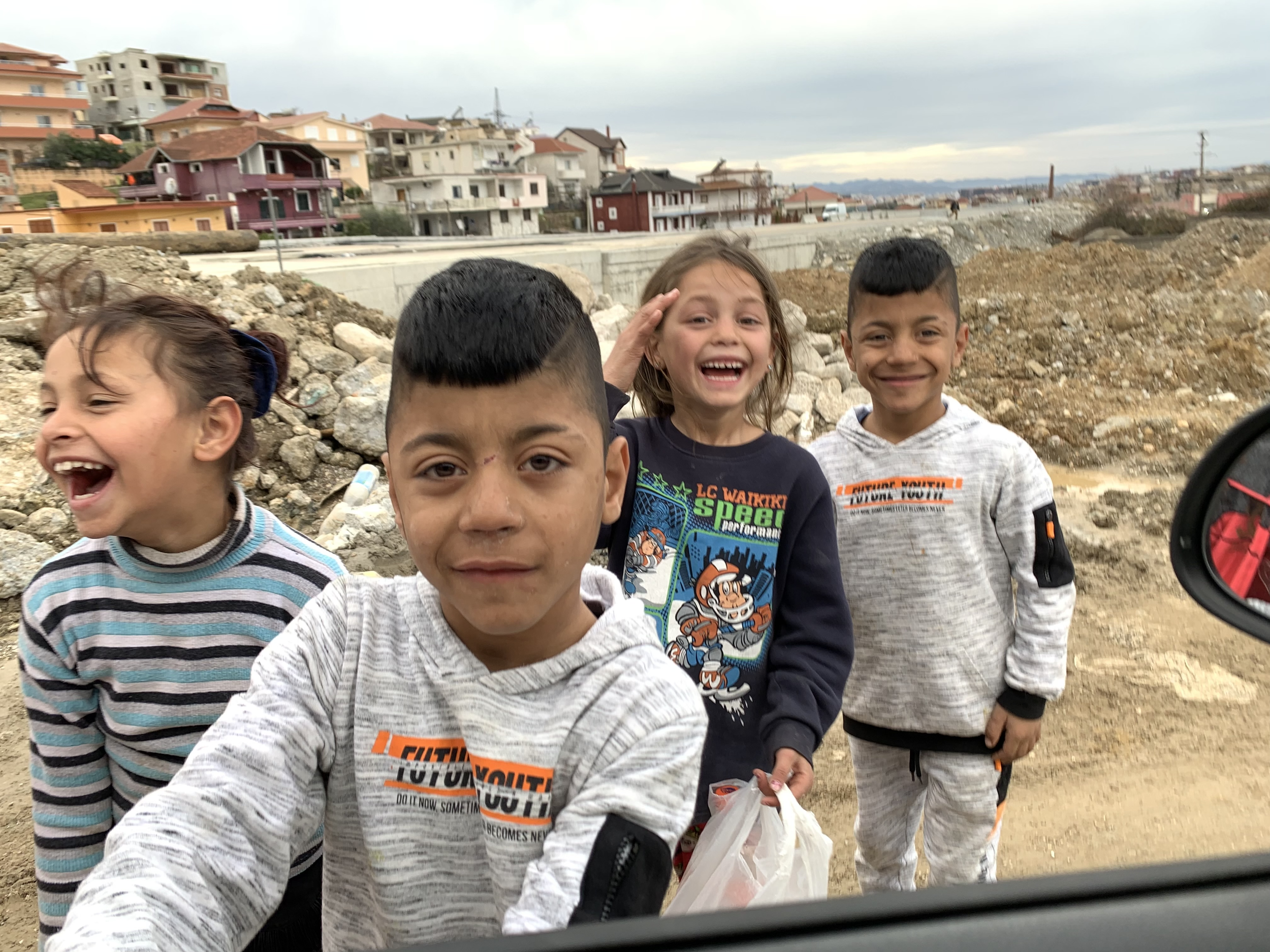
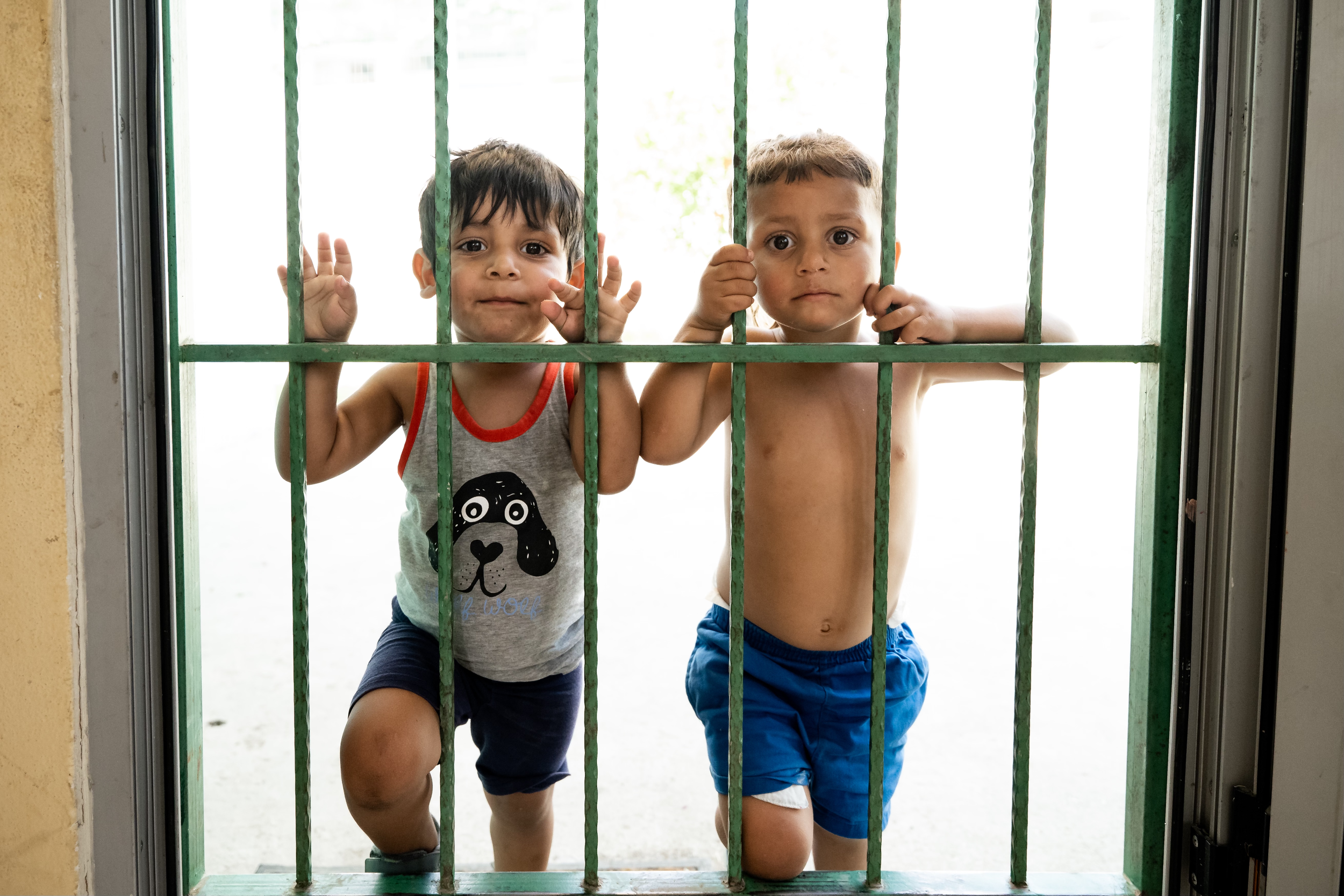
When a Pioneer and her family first arrived in Albania, their hearts were drawn to the marginalized Roma people living on the outskirts of Tirana. Many of these Roma families face deep poverty - the ongoing stress of daily survival leaves little room to think about the future or consider the existence of God.
“I wanted the Roma to come to know Jesus through their workplace,” Namie said. “And I wanted to see the future church strengthened financially and sustained—out of the bondage of poverty.”
Before moving to Albania, Namie worked in New York City as a fashion designer and buyer, as well as running small handmade goods businesses and event planning ventures. Over time, her work became a place to encounter God’s faithfulness. “My job became not just a job, but a place to meet Him,” she said. That understanding of worship through work became the seed of a vision and would later shape how she saw business as ministry in Albania.
In 2022, Namie founded the Goodtree Foundation, a social business built on a redemptive idea: that a workplace can be a place of transformation. “Our team wanted a safe environment,” she explained, “where individuals can experience God’s redemption and His goodness while gaining professional and life skills.”
In the Roma neighborhoods on the outskirts of Tirana, generations of poverty have made it difficult to consider anything outside of what they see in front of them. That’s why the Goodtree team meets people right where they are. They walk through the neighborhoods, talking with families about sustainability and the value of steady work through the lens of God’s teachings.
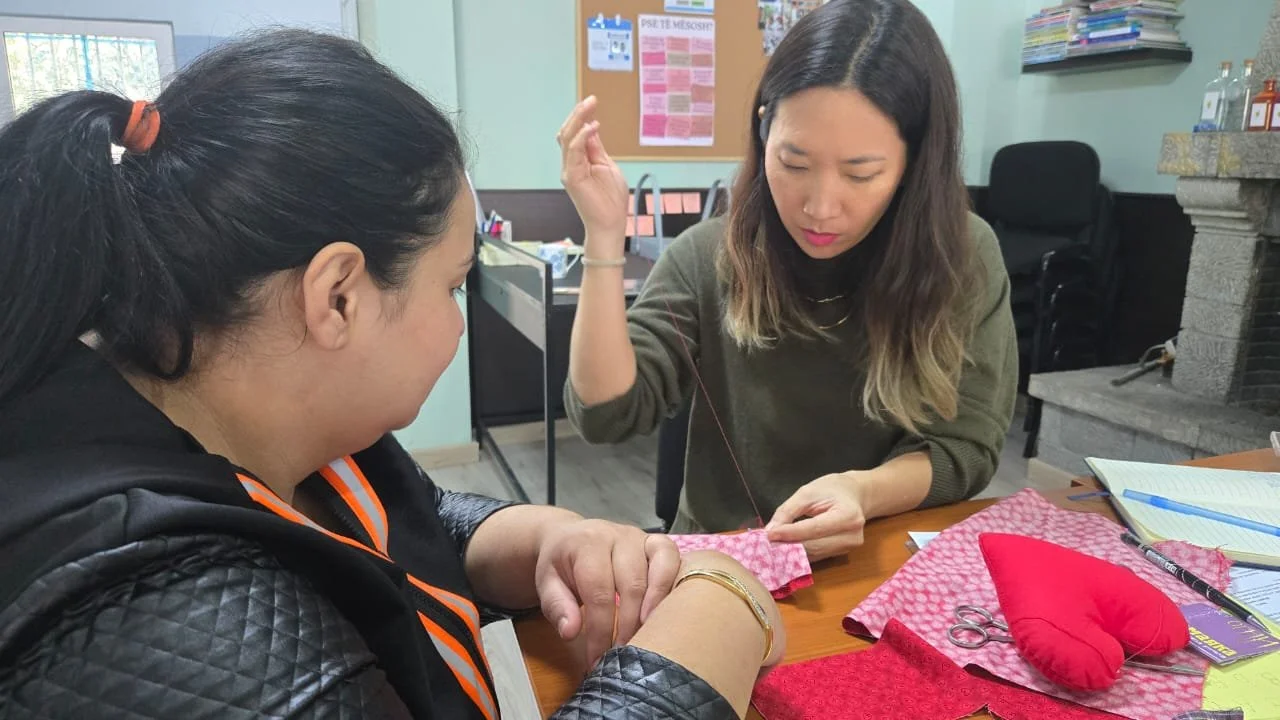
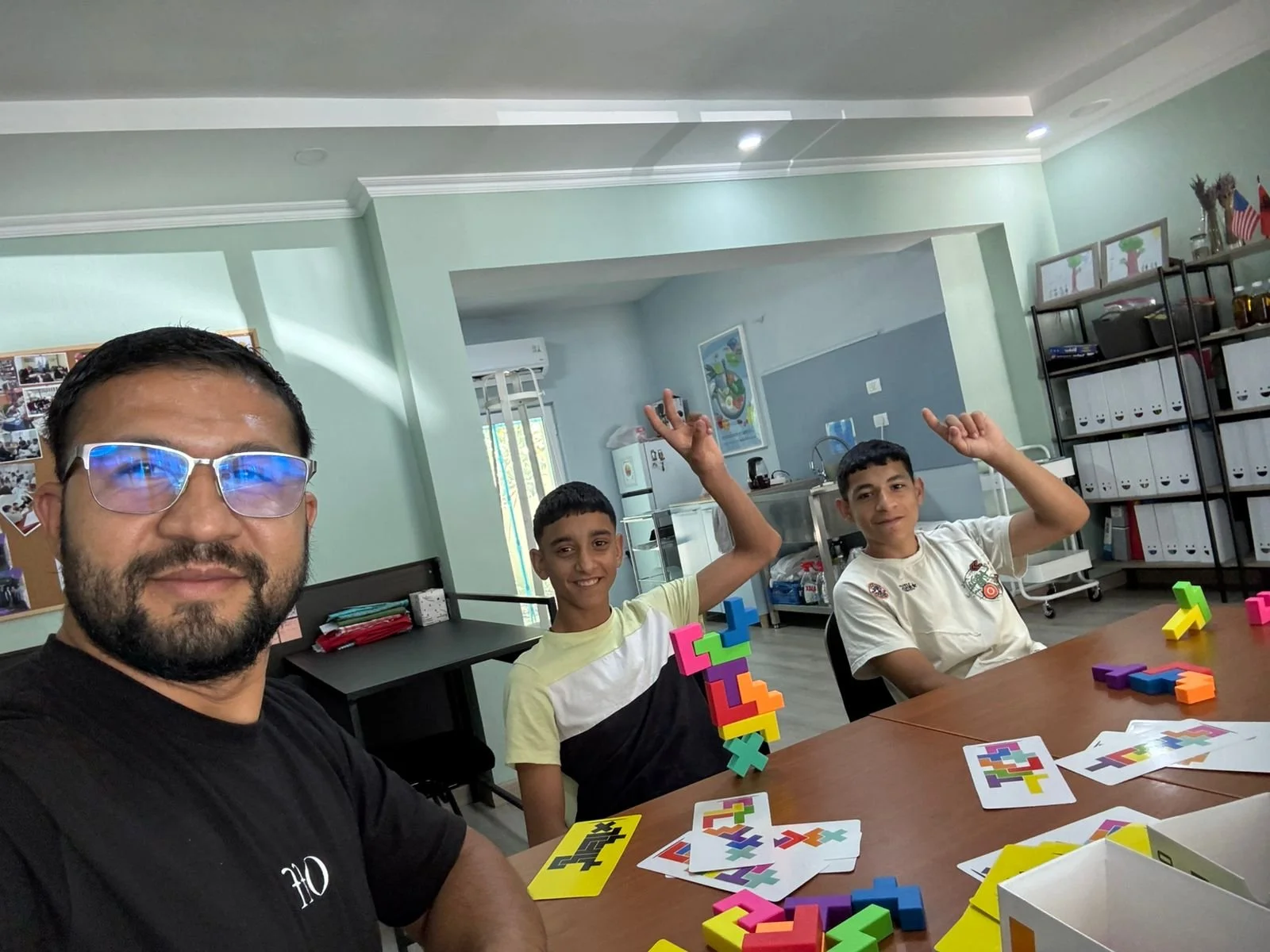
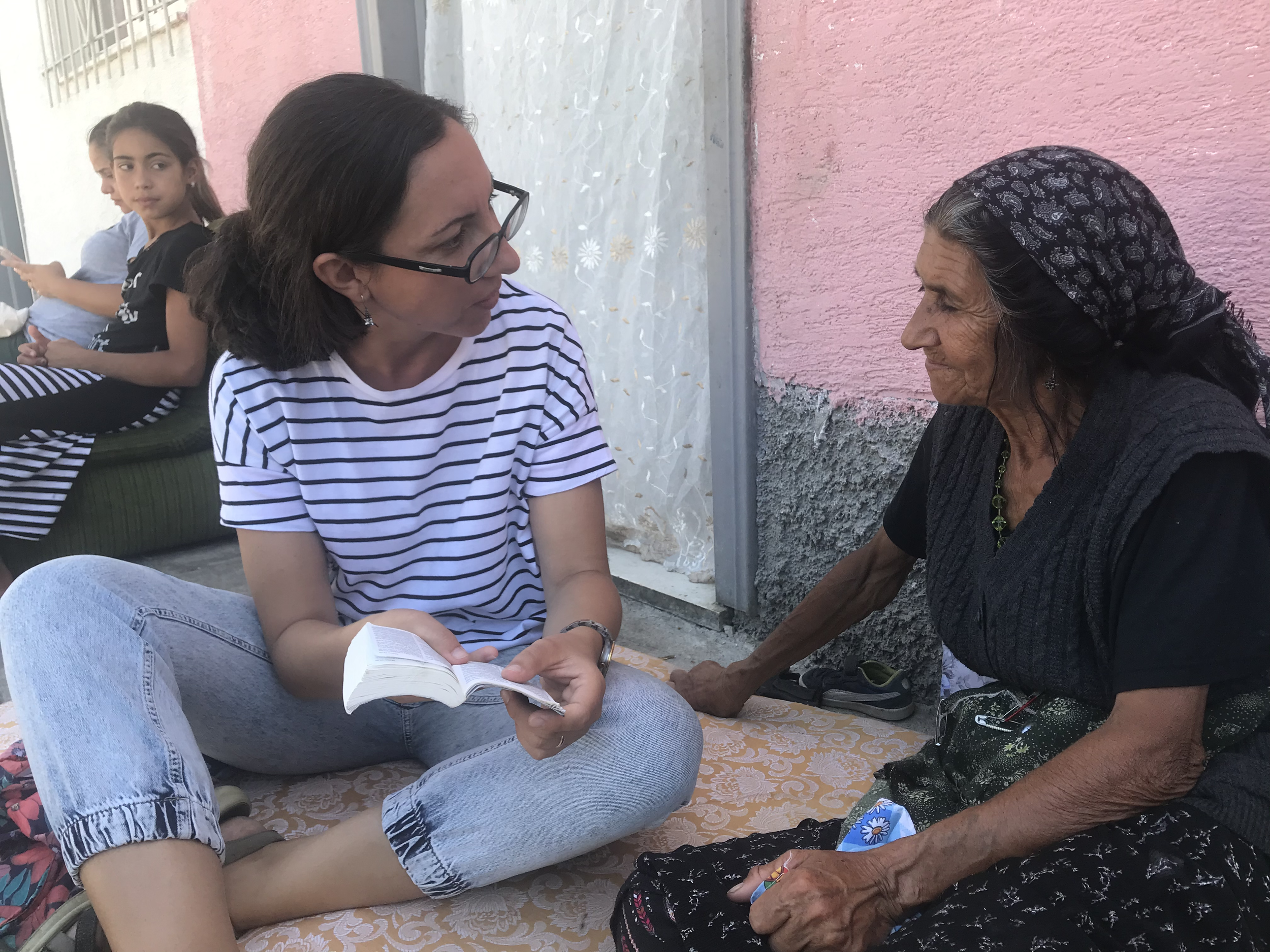
Male staff meet regularly with teen boys and young men who dropped out of school in the early grades, teaching them to read and understand numbers. Female mentors meet with young women—many soon to be married—or new mothers, teaching biblical life values that fit their current stage of life. “We reveal the characteristics of God and His good desire for them,” Namie said.
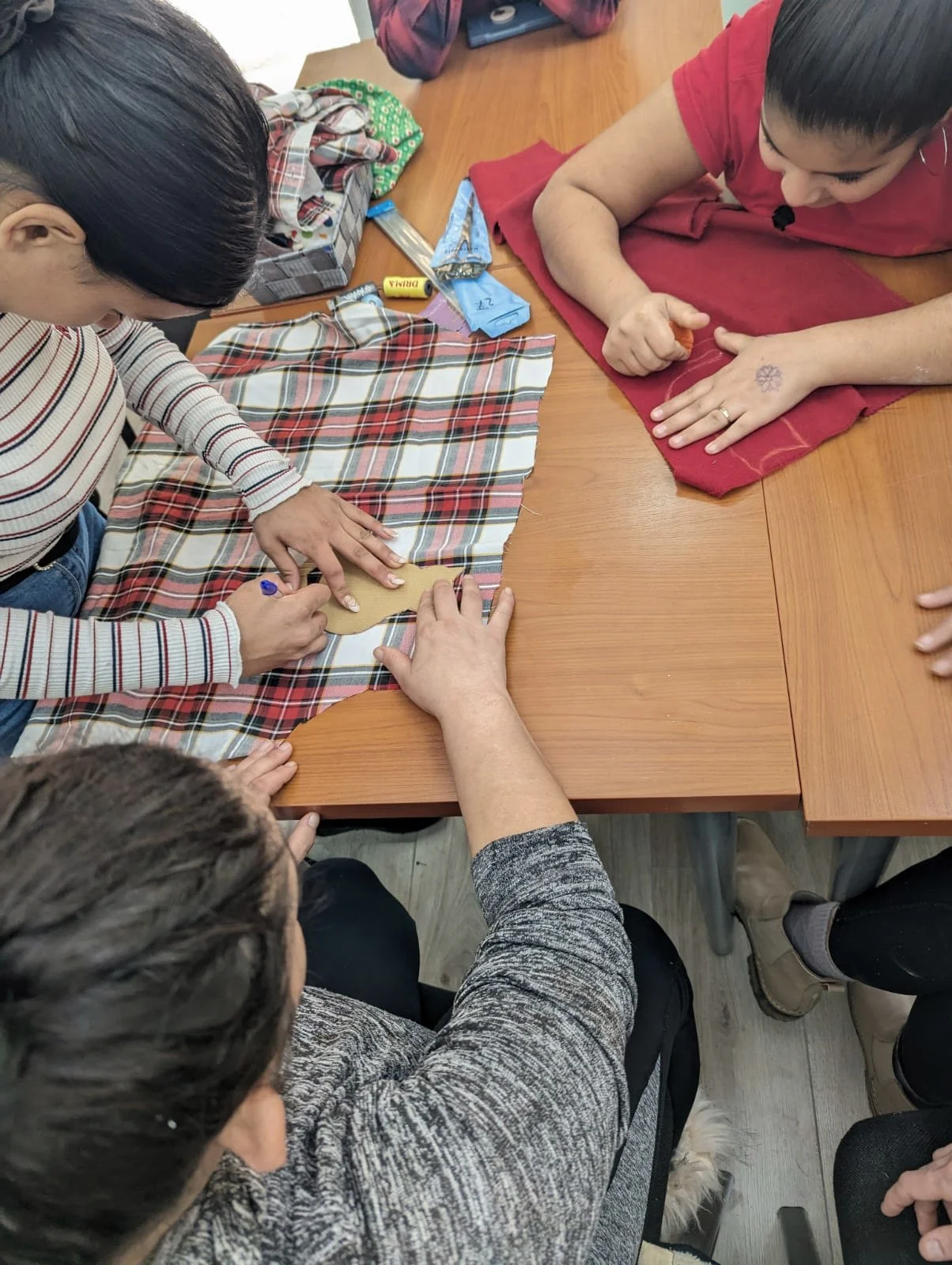
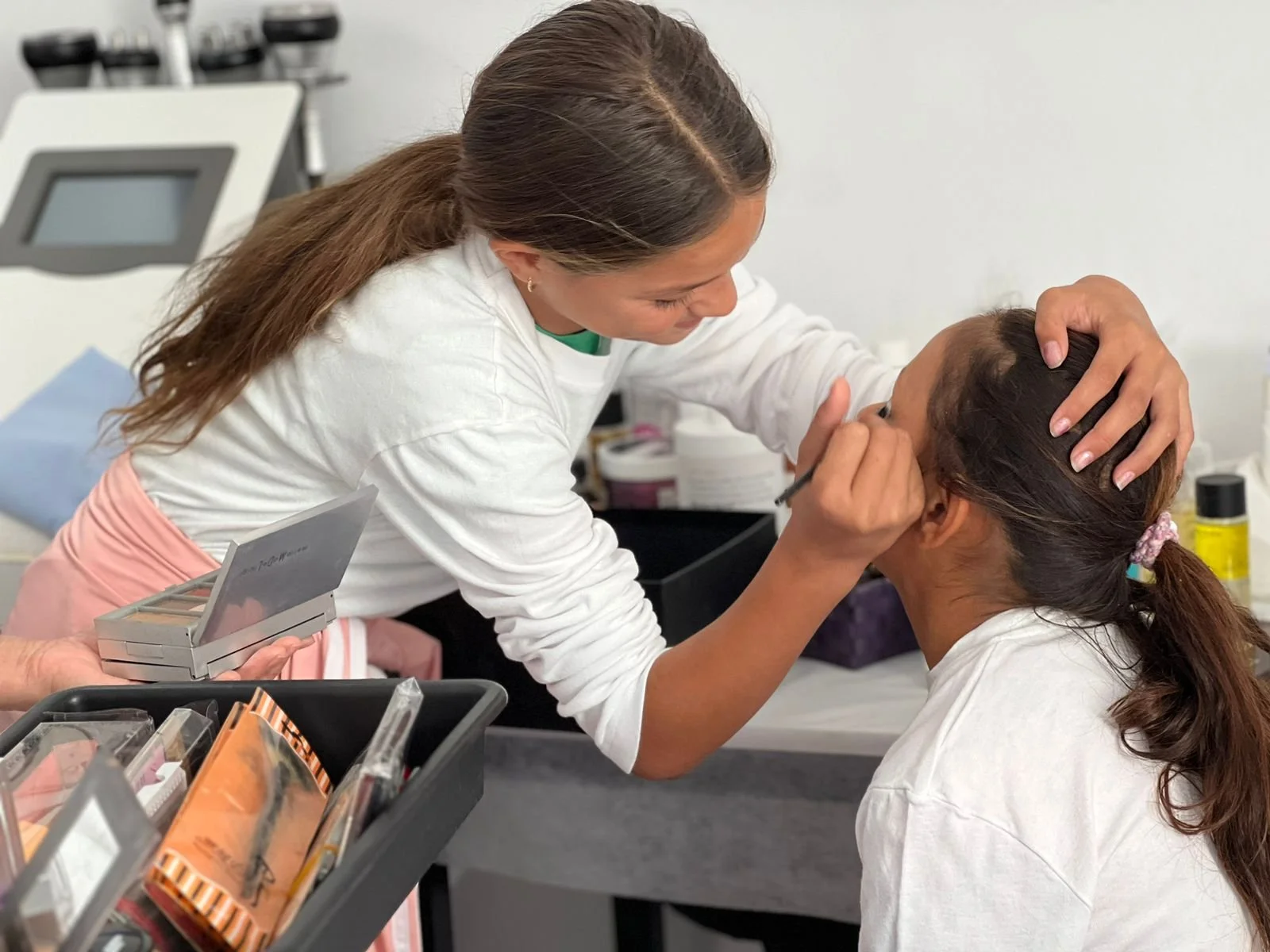
The foundation hosts seasonal workshops on sewing, haircutting, literacy, and other trades. These moments often open doors to deeper relationships and professional training. “A few mentorships have led us to walk with young people as they enroll in trade schools,” Namie said. “It’s about planting the idea that their lives can have purpose.”

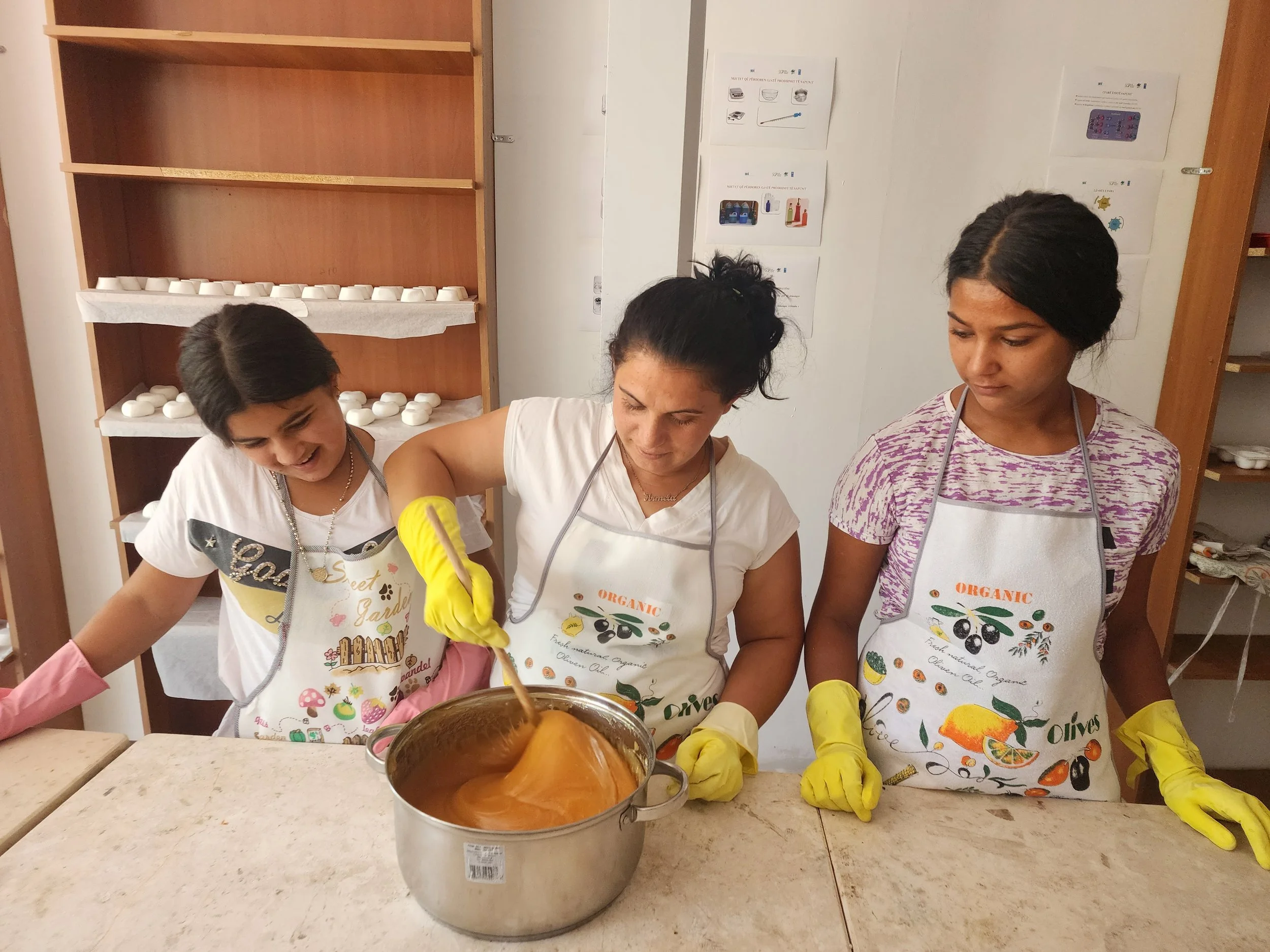
Under Goodtree Handmade, two women have been employed to create natural olive oil soaps. Their workdays combine practical training with devotionals, literacy lessons, and prayer. For one of the first employees, simple achievements became moments of transformation—writing her name for the first time, signing a document, opening a bank account, and learning to count beyond twenty. “Through her work, she began to feel dignified and important,” Namie said. “She learned that the Creator God is a good God.” These small beginnings represent much more than employment—they’re glimpses of redemption.
As Namie prepared to follow God’s leading in Albania, she joined a business as mission training program where she found practical tools and spiritual clarity in combining business and ministry. “I had tried other BAM coaching before,” she explained, “but I needed something that understood the unique challenges of working with the Roma. Kingdom Business School from the Roma Network helped me plan effectively—with market research, finances, and employee structure —while keeping the focus on people.”
“It challenged me to see business planning not just as spreadsheets, but as a means of loving people well,” she said. “It gave me the courage to build something sustainable that reflects God’s heart,” she explained. “Working on spreadsheets and finances became a lot more purposeful.”
Goodtree Foundation now has four staff members and three mentors, each focusing on different areas of administration, mentorship, and business development. Namie hopes to expand the business to hire more women and to add new product lines—like sewing and other crafts that could reach EU and U.S. markets. This would enable the team to offer stable employment while deepening discipleship.
“We’re looking for business-minded people who have compassion for the poor and passion for God’s work,” she said. “If you love using your gifts to serve others, come to Albania.”
Namie’s story is an example of how God calls people to mission through many different channels.“Profitability isn’t the goal—it’s the fruit of doing business God’s way,” she said. “When people work with dignity and hope, they begin to see that God’s love reaches into every part of life.”
Reflecting on her journey, Namie smiled as this experience has given her “clarity to plan with purpose—and the courage to move forward. God took my background in fashion and turned it into a pathway for missions I never could have imagined.”