
UK

Ministry Pathways: Cycling in the UK

A few years ago, a Pioneer in the UK was getting to know a new Syrian friend and asked what he enjoyed doing for fun. The man paused before quietly replying, “My whole life has been about survival.”

That conversation stuck. It opened the eyes of Chris, a Pioneer in Plymouth, to the power of shared interests—and the need for spaces where refugees could experience both community and hope. Out of that realization, Cycle 4 The Nations was born: a ministry that uses cycling as a bridge between local believers and refugees, creating opportunities for friendship and faith to grow. 
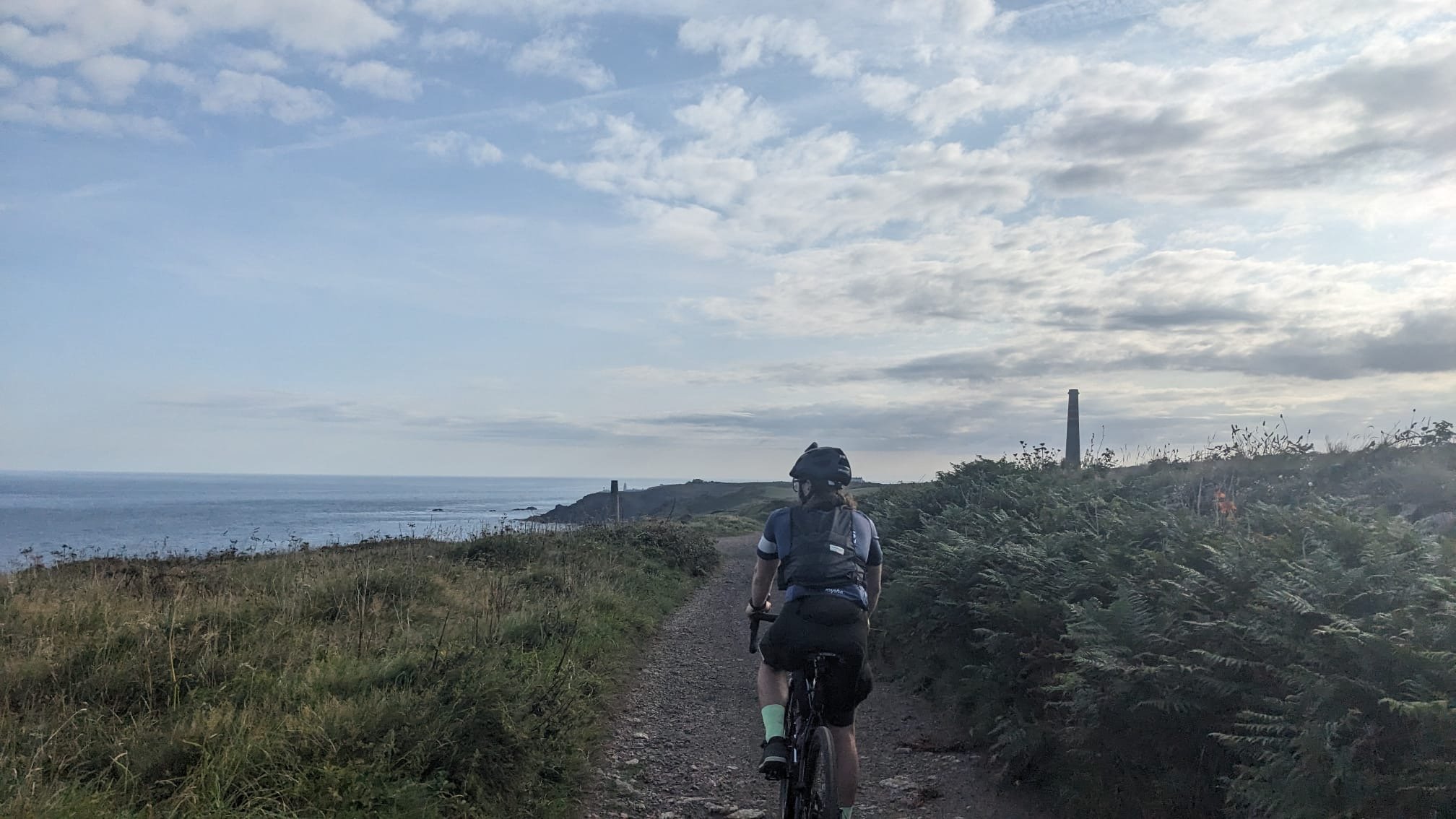
For Chris, cycling wasn’t just a hobby. “God used cycling in my life in a powerful way, to bring me freedom from terrible anxiety. It became a quiet space for me to commune with God, to take my mind off of all that was triggering my anxiety and a place to heal with the Lord”. “Since God used it so powerfully in my life, I wanted to use it for His glory.” 

“Cycling is a great space to get to know people, facilitating an atmosphere to have spiritual conversation and share my testimony with those who have never heard of Jesus and how He changes lives.” 

Now, those same rides serve as platforms for gospel conversations. Through local English conversation groups, Chris and his teammates invite refugees to join rides, to share their stories and to build friendships. 

On a recent ride, a new Afghan friend opened up about his experience with the invading Taliban, which led to him and his family fleeing and seeking asylum in the U.K. During the chat, he expressed deep pain from what he had gone through and a disenchantment with the world of Islam. “It gave us the chance to share about Jesus—the freedom He brings and the relationship with God He makes possible,” Chris says. “We’re still meeting with him, and God seems to be moving.”
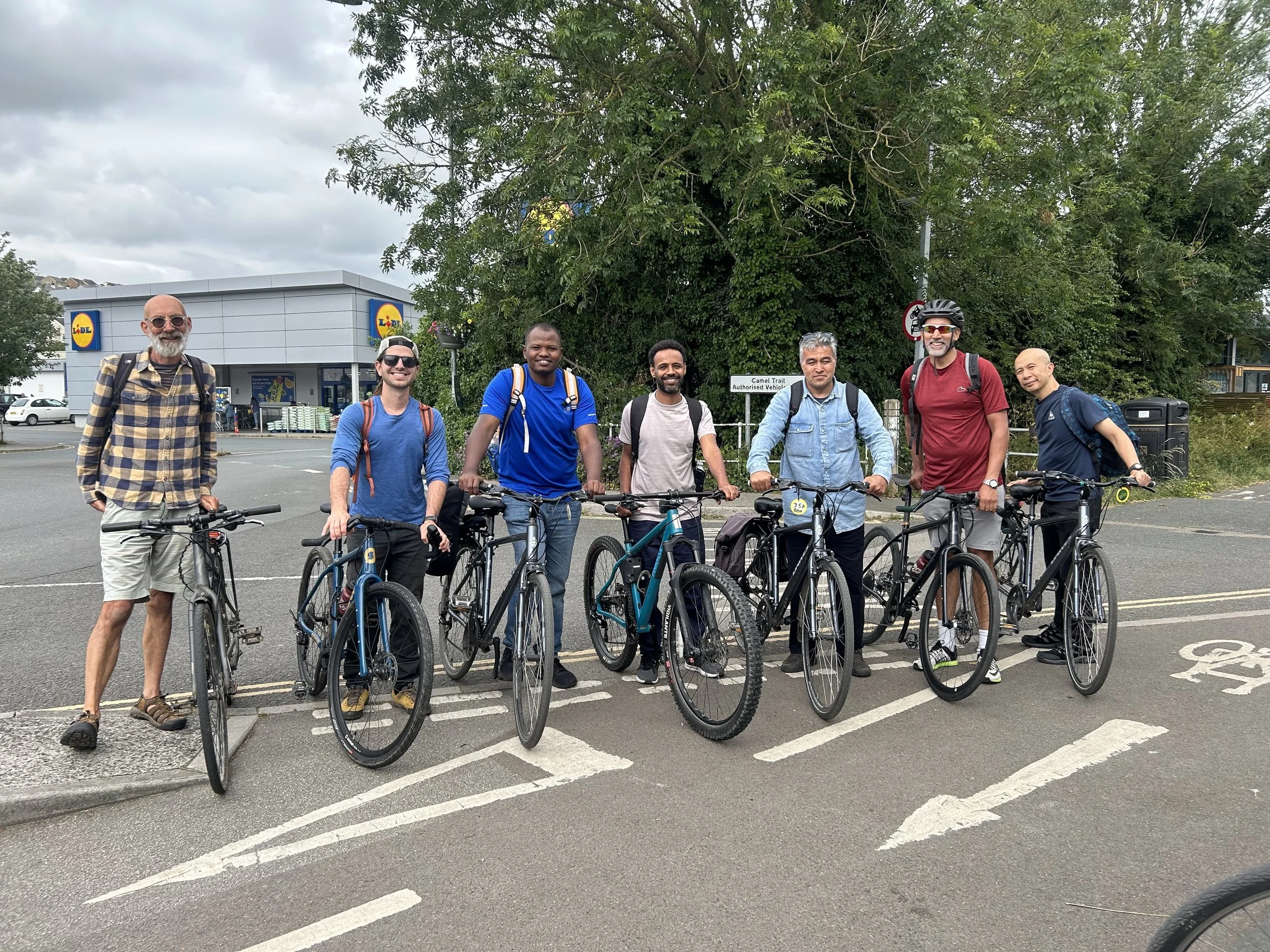
Cycle 4 the Nations seeks to partner with local churches by inviting them to participate in the rides, helping to build bridges between believers and the refugee communities around them. “It’s an approachable way to engage the nations right on our doorstep,” Chris shares. “A few people on bikes, some shared miles, and good spiritual conversations—it’s powerful.”

Beyond the U.K., Cycle 4 The Nations also supports global missions. Each year, Chris participates in ultra-endurance cycling races to raise awareness and funds for missionaries serving among the unreached—from the Quechua people in Peru to Muslim-background refugees in Europe. He visits local churches to share about how God is moving among the unreached both near and far. 

“I want to see the heart of the church turned more toward the completion of the Great Commission,” Chris says. “It’s not that God needs our money—but our giving often reveals where our hearts truly are.”

The vision is growing. The team hopes to expand their local rides, provide more bikes for refugees, and see participants come to faith—and eventually lead others through the same platform. 

“I hope every rider sees Jesus in us,” Chris says. “That they experience His love in a way that challenges what they thought they knew about Him.”

What about you?
Maybe God has already given you a passion or hobby that could become a bridge to others. Could your own interests—cycling, cooking, teaching, or something else—become a pathway for gospel conversations?

Sometimes ministry begins not with a program, but with a simple question—and a willingness to listen.

Ministry Pathways: Garden Club in the UK

In the heart of a grey UK city, something green and vibrant is taking root. A small but dedicated group of internationals gathers weekly—not just to grow food, but to grow community.

The initiative began with Melissa, a Pioneer with a green thumb who moved to the UK seven years ago. Like many newcomers, she found it challenging to connect with others in a meaningful way—especially across language barriers. Conversations over coffee often felt stilted and pressure-filled, particularly for those still learning English.

“I thought gardening might be a way to get to know people more naturally,” Melissa explains. “In the garden, silences aren’t awkward—everyone’s focused on something tangible, something productive. There’s less pressure to perform in conversation, and more space just to be together.”

That vision became reality when Melissa launched a weekly garden club. Each week, 5–10 internationals meet at a local café and then work in the garden behind it. They begin with hot drinks and a homemade treat—often using ingredients they've grown themselves—before diving into the day’s plan: planting, watering, harvesting, and learning something new about the plants.

From its early days, the garden club drew interest through the local council, who promoted it to asylum seekers and refugees eager to practice their English in a relaxed, hands-on setting. Others joined through community connections, word of mouth, or casual visits to the café. The café is home to a community center that offers ESL classes as well as other activities.

The gardening group was multipurpose from the beginning. “I wanted to create a space where people could experience growth,” Melissa says. “When you feel like nothing in your life is changing or getting better, it can be powerful to see something you planted begin to grow. It’s healing in its own quiet way.” Many participants have fled hardship in their home countries, are navigating trauma, dislocation, and the steep learning curve of a new culture.

Melissa was transparent from the start that she had no formal gardening expertise—just a desire to learn and the memory of helping her mom in the garden as a child. “I told our first group not to expect an expert—we were going to learn together!” she laughs. Fortunately, another international volunteer with planting experience joined that first year and helped lay the groundwork. Local primary schools even donated seedlings grown by students.

The garden itself transformed with the seasons. Tiny seeds became lush plants, drawing bees, butterflies, and curious children from the café. The garden provided a vivid picture for Melissa through the harsh process of church-planting: “Even when it feels like nothing is happening, God is working behind the scenes—just like those roots growing deep before any green shows.”

Among the garden’s highlights? Sunflowers. “They’re easy to grow, dramatically tall, and follow the sun,” Melissa notes. “At the end of the season, one head can hold up to 1,000 seeds—if the birds don’t get them first!”

Outside of the garden club, friendships began to blossom. Volunteers began meeting on their own for walks, flower shows, or simply to share a meal. Many started growing plants in their own windows, bringing a piece of the garden home.

Melissa balances the garden club with other ministry roles at the community center as the seasons fluctuate through the year. She helps lead English classes, Bible studies, and supports the café. Though she had to pause some responsibilities to take on the garden, she found the trade-off worthwhile. “It fit my role with refugees and asylum seekers, and it matched my own interests better than some of my other commitments. It was sustainable,” amidst the ups and downs of ministry.

Looking ahead, Melissa hopes to see more international volunteers take ownership and infuse the garden with the richness of their own cultures—through crops, recipes, and shared leadership. She also dreams of deeper connections with local gardening communities to bridge cultures and foster understanding.

Pioneers teams in the UK are looking for individuals interested in ministry pathways that engage hands and hearts like the Garden Club has. Perhaps you have skills or passion to join those seeking to cultivate connection, resilience, and beauty through Jesus in unexpected corners of European gardens.