Ministry Pathway: Cycling in the UK

A few years ago, a Pioneer in the UK was getting to know a new Syrian friend and asked what he enjoyed doing for fun. The man paused before quietly replying, “My whole life has been about survival.”

That conversation stuck. It opened the eyes of Chris, a Pioneer in Plymouth, to the power of shared interests—and the need for spaces where refugees could experience both community and hope. Out of that realization, Cycle 4 The Nations was born: a ministry that uses cycling as a bridge between local believers and refugees, creating opportunities for friendship and faith to grow. 
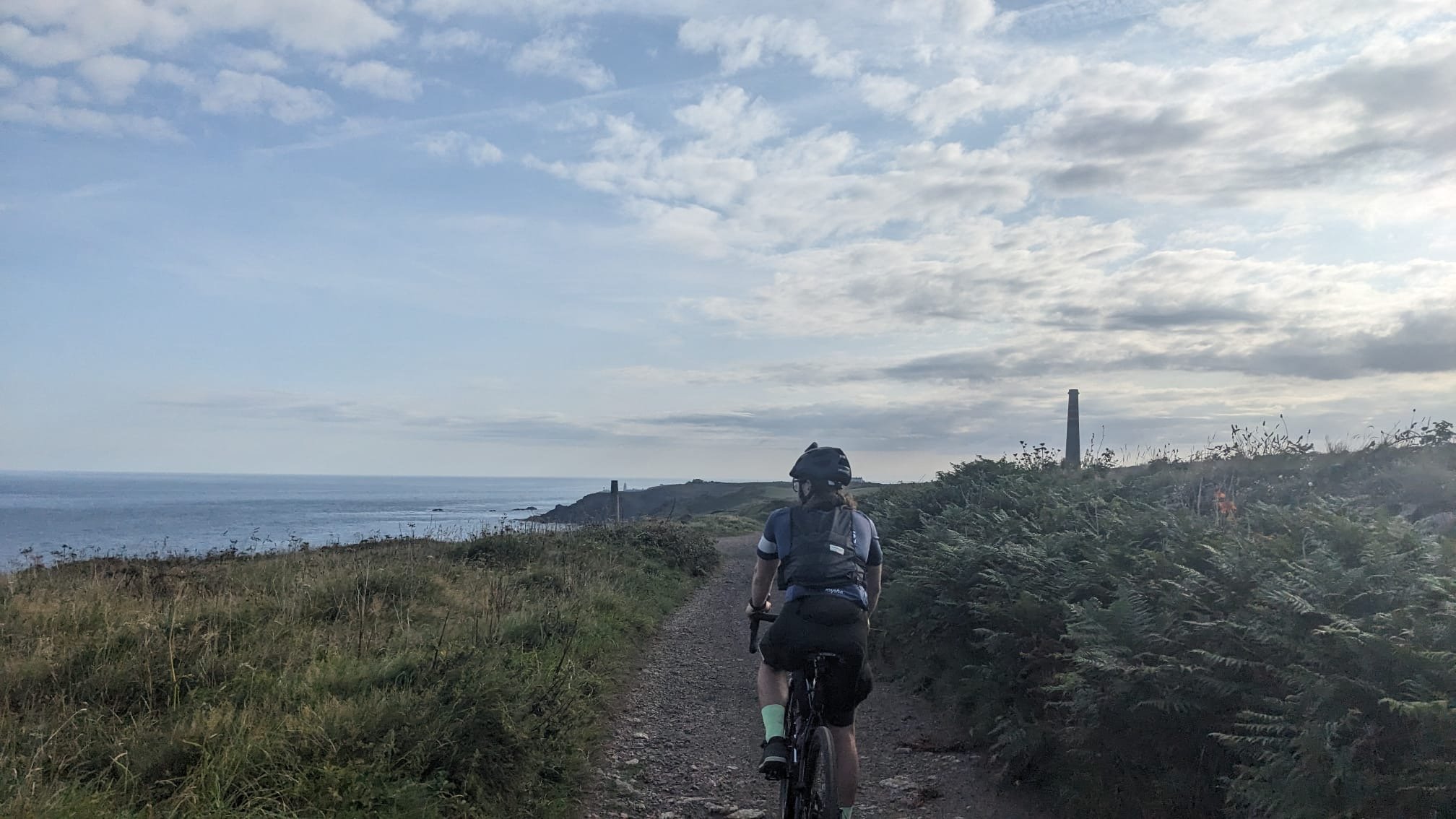
For Chris, cycling wasn’t just a hobby. “God used cycling in my life in a powerful way, to bring me freedom from terrible anxiety. It became a quiet space for me to commune with God, to take my mind off of all that was triggering my anxiety and a place to heal with the Lord”. “Since God used it so powerfully in my life, I wanted to use it for His glory.” 

“Cycling is a great space to get to know people, facilitating an atmosphere to have spiritual conversation and share my testimony with those who have never heard of Jesus and how He changes lives.” 

Now, those same rides serve as platforms for gospel conversations. Through local English conversation groups, Chris and his teammates invite refugees to join rides, to share their stories and to build friendships. 

On a recent ride, a new Afghan friend opened up about his experience with the invading Taliban, which led to him and his family fleeing and seeking asylum in the U.K. During the chat, he expressed deep pain from what he had gone through and a disenchantment with the world of Islam. “It gave us the chance to share about Jesus—the freedom He brings and the relationship with God He makes possible,” Chris says. “We’re still meeting with him, and God seems to be moving.”
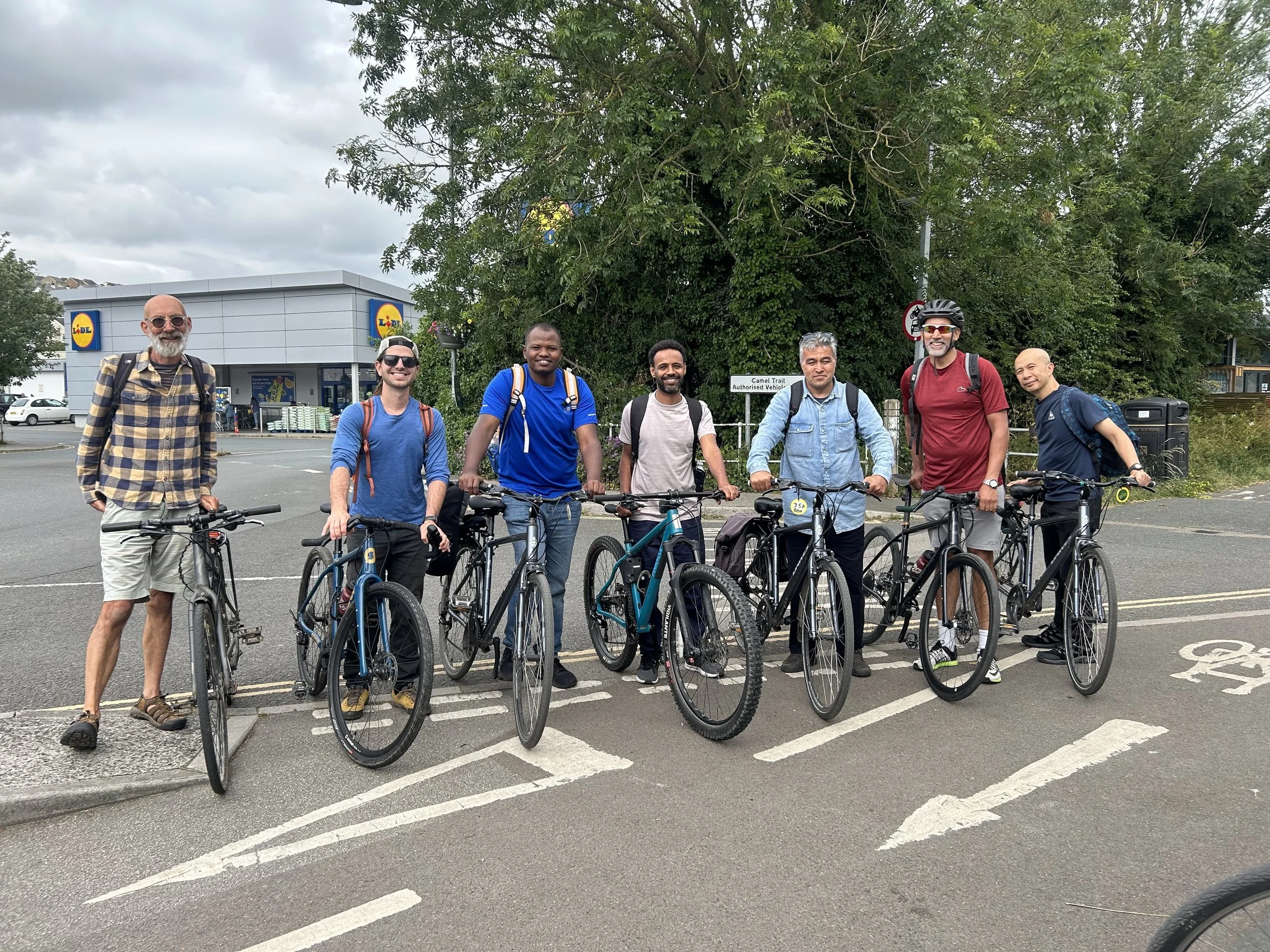
Cycle 4 the Nations seeks to partner with local churches by inviting them to participate in the rides, helping to build bridges between believers and the refugee communities around them. “It’s an approachable way to engage the nations right on our doorstep,” Chris shares. “A few people on bikes, some shared miles, and good spiritual conversations—it’s powerful.”

Beyond the U.K., Cycle 4 The Nations also supports global missions. Each year, Chris participates in ultra-endurance cycling races to raise awareness and funds for missionaries serving among the unreached—from the Quechua people in Peru to Muslim-background refugees in Europe. He visits local churches to share about how God is moving among the unreached both near and far. 

“I want to see the heart of the church turned more toward the completion of the Great Commission,” Chris says. “It’s not that God needs our money—but our giving often reveals where our hearts truly are.”

The vision is growing. The team hopes to expand their local rides, provide more bikes for refugees, and see participants come to faith—and eventually lead others through the same platform. 

“I hope every rider sees Jesus in us,” Chris says. “That they experience His love in a way that challenges what they thought they knew about Him.”

What about you?
Maybe God has already given you a passion or hobby that could become a bridge to others. Could your own interests—cycling, cooking, teaching, or something else—become a pathway for gospel conversations?

Sometimes ministry begins not with a program, but with a simple question—and a willingness to listen.

Ministry Pathway: Teaching in Serbia

A Pioneer in Serbia has been teaching for over 20 years in Europe. When Eric and his wife, Susan, first moved to nearby Montenegro, they followed the ministry model they’d seen in other places and started an English school. 

Back then, the plan was simple. In a place where a traditional ministry pathway wasn’t accessible, teaching English offered a natural way to build friendships and share life with the people around them. For 20 hours each week, Eric and teammates taught English to students of all ages—then spent the rest of their time doing what they loved most: meeting people, sharing meals, having conversations about faith, and drinking more cups of coffee than they could count. Over time, relationships deepened, and a small fellowship of believers began to take root in their city.

In 2008, the global financial crisis hit hard, impacting both their student enrollment and their financial support from the U.S. Many teammates began to move back to their home countries because of finances and the couple found themselves increasingly alone in their ministry.

“It became clear that we weren’t going to thrive long-term without a team,” Eric recalls. “After much prayer, we decided not to return to the U.S., but to shift our approach to ministry.”

That decision led them to a new city—and a new pathway for ministry in teaching. They moved north to Belgrade, Serbia, where Eric accepted a job teaching at an international school. What started as a practical move soon provided a new ministry pathway—one that would sustain them for decades to come. 

“Right now I’m teaching at an international school in Belgrade,” Eric says with a smile. “I teach Year 4 in a British school, which is about the same as 3rd grade in the U.S. I teach math, English, art, and science to a class of 14 children.”

His role in the classroom naturally opened doors to meaningful relationships that didn’t require explaining why he was there or what he was trying to do. “As a teacher, I can answer people honestly when they ask, ‘Why are you here?’” he says. “It builds trust right from the start.” 

Susan also began teaching at the school and over time, they came to realize that teaching wasn’t just a source of income. Through working a job in the classroom, they found a sustainable way to live and serve. There’s something beautiful about having legitimacy in the eyes of the community - it’s honest, it’s natural, and it opens up opportunities that might not exist otherwise.

The benefits have gone beyond relationships. Working full-time has provided a rhythm and financial stability that’s rare in cross-cultural ministry. “My salary covers our expenses, which means we’re not dependent on fluctuating support or exchange rates,” Eric explains. “It’s taken a huge weight off our shoulders.” 

That stability has also allowed them to model something important for local believers—a sustainable way to live out ministry. “In much of the former Yugoslavia, pastors often rely on foreign support,” Eric shares. “By working and serving at the same time, I’ve been able to show that you can provide for your family and still actively serve the Kingdom.”

Looking back, Eric sees God’s hand in every pivot and every challenge along the way. “I value our early years in Montenegro and the traditional approach we had there,” he reflects. “But I’m convinced we wouldn’t have lasted 20+ years overseas if we hadn’t made the transition. For us, being Marketplace workers has not only been sustainable—it’s been a tremendous blessing.”

Today, the chalk dust and lesson plans continue to be an integral part of Eric and Susan’s everyday life. Both within and outside of the classroom walls, their family continues to disciple young believers and be present in their community, shaping lives one conversation, one cup of coffee, and one student at a time. 

For those who feel called to serve cross-culturally but aren’t sure what that might look like, teaching can be an open door. Around the world, classrooms are places of connection, trust, and transformation. Maybe, like Eric in Serbia, God could use your skills and your everyday work to plant seeds of the Gospel in unexpected places. Sometimes, the most lasting ministry begins not with a Bible study—but with a lesson plan.

Ministry Pathway: Children's Day Camp in Hungary

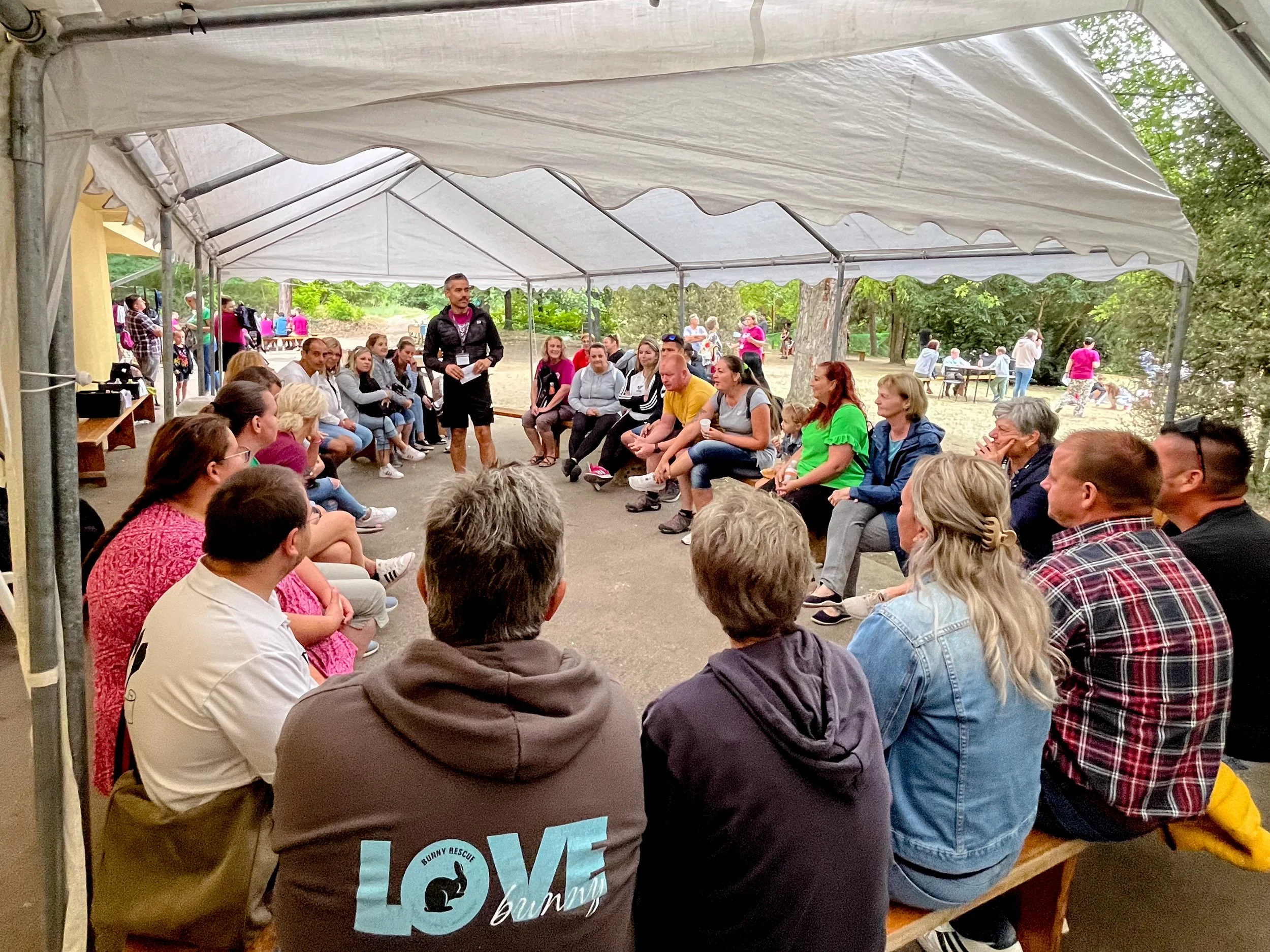
Every summer in Hungary, laughter and songs echo through the fields just beyond the small towns of Petőfibánya and Selyp. Beneath pavilion tents, a team of Pioneers gather with children to sing about God’s love, act out Bible stories, and make memories that will last a lifetime. These five day Vacation Bible Schools (VBS) are a ministry pathway to engage children with Gospel love. 

Since 2006, Pioneers Hungary has used summer camps as a way to reach children and families with the hope of Jesus. What began as one small camp of about 40 children has grown into two thriving camps, each hosting over 100 kids from Petőfibánya and nearby villages like Lőrinci and Zagyvaszántó. The camps are now fully led by volunteers from the local church plant—many of whom first came as campers themselves.

“Our summers are packed with opportunities,” says Allen, a Pioneer in Hungary. “VBS has become one of our most fruitful ministries. It gives children a chance to hear and understand the Gospel, often for the first time—and through them, their parents are hearing it too.”

Throughout the years, Pioneers in Hungary have engaged neighbors in various ministry pathways. VBS camps are a common experience to believers from the West. Though many activities of Western church culture are difficult to replicate across the world, VBS camps are simple. A group of believers combines their skills with time to serve children by providing Gospel-centered teaching and activities. 

Each day at a VBS in Hungary begins with staff prayer at the community center before welcoming families. Together, they walk to the outdoor camp site, where bright tents await. The mornings kick off with high-energy worship songs—favorites filled with biblical truth that kids sing long after camp ends. From there, the children enjoy Bible teaching, creative dramas, and small group activities that make God’s Word come alive.

In small groups, leaders guide discussions and games that help children explore faith more deeply. Many ask honest questions about Jesus. Later, free time brings laughter and friendship through soccer, climbing, and crafts. The camp “mail system” encourages kids to write notes to one another. On the final day, parents join the fun with games, songs, and an evangelistic Bible study—often their first introduction to the Gospel.

The vision for this ministry began almost by accident. When Allen and Sharon first moved to Petőfibánya, they hosted a coffee-house night for young adults, hoping to start faith conversations. Instead, the room filled up with children—curious and hungry for attention. “That night, God showed us the door was open to minister to kids,” Allen recalls. What began as a simple “Children’s Playhouse” afternoon soon grew into a full week-long VBS, developed with help from local Hungarian partners.

The impact of the camps continue to multiply. Other churches in Hungary now use materials developed by the Petőfibánya team to host their own. And for Allen and Sharon—who both came to faith through camp ministry themselves—it’s a full-circle testimony of God’s grace. “Camp changes lives,” Allen says simply. “It changed ours, and now we get to see it changing others.”

Could God be inviting you to take part in something like this? Across Europe and beyond, children’s hearts are open and ready to hear about Jesus—often in places where few other doors are open. Whether through serving at a local camp, helping develop materials, training leaders, or supporting missionaries who run them, VBS ministry can be a powerful pathway for the Gospel. Perhaps God is calling you to help create a space where children can encounter His love—and where entire families might be transformed, one summer at a time.

Ministry Pathway: Grace among lemurs at the Zagreb Zoo

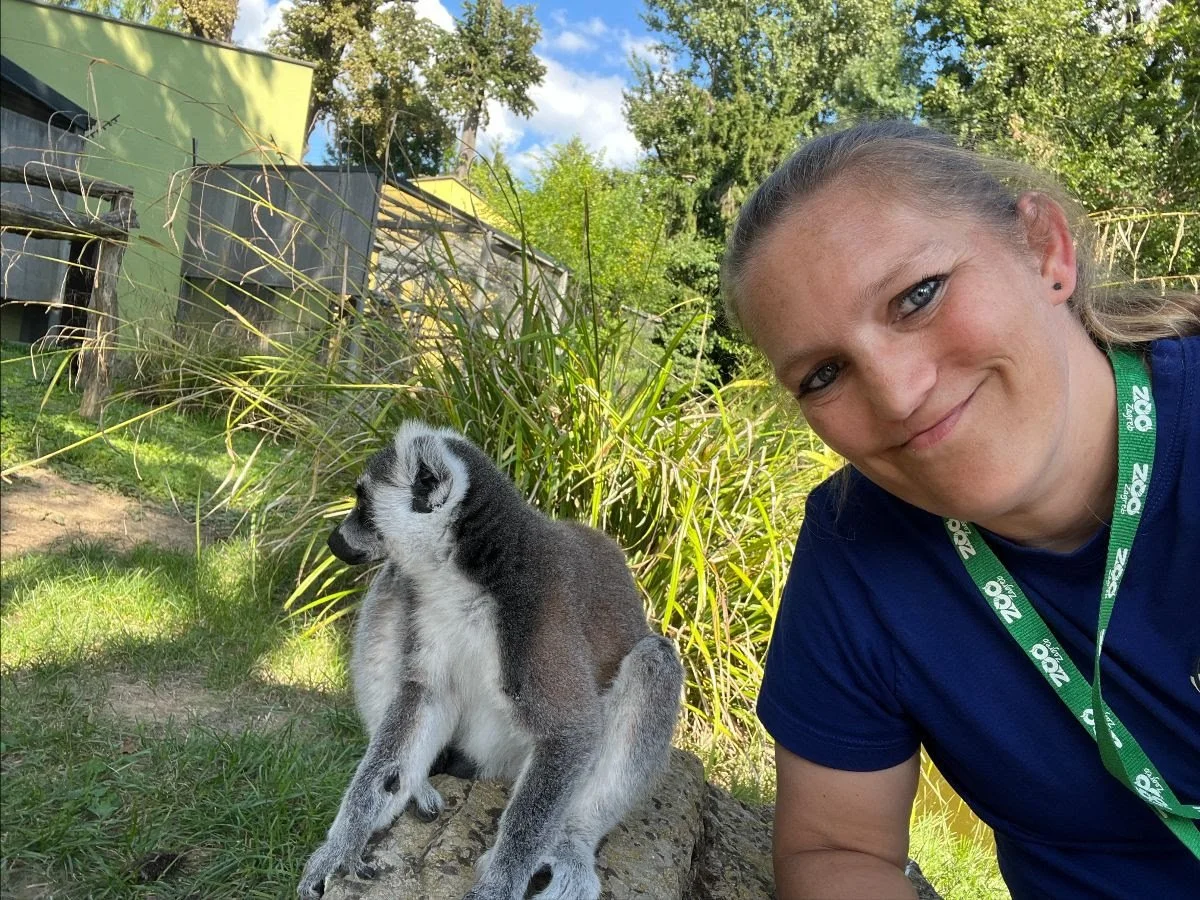
In August, a Pioneer in Croatia began volunteering at the Zagreb Zoo. It might seem like an unusual choice for a ministry pathway—after all, was she planning to share the Gospel with animals? Not quite. For Christina, this experience has been about people, language, and God’s grace in unexpected places.

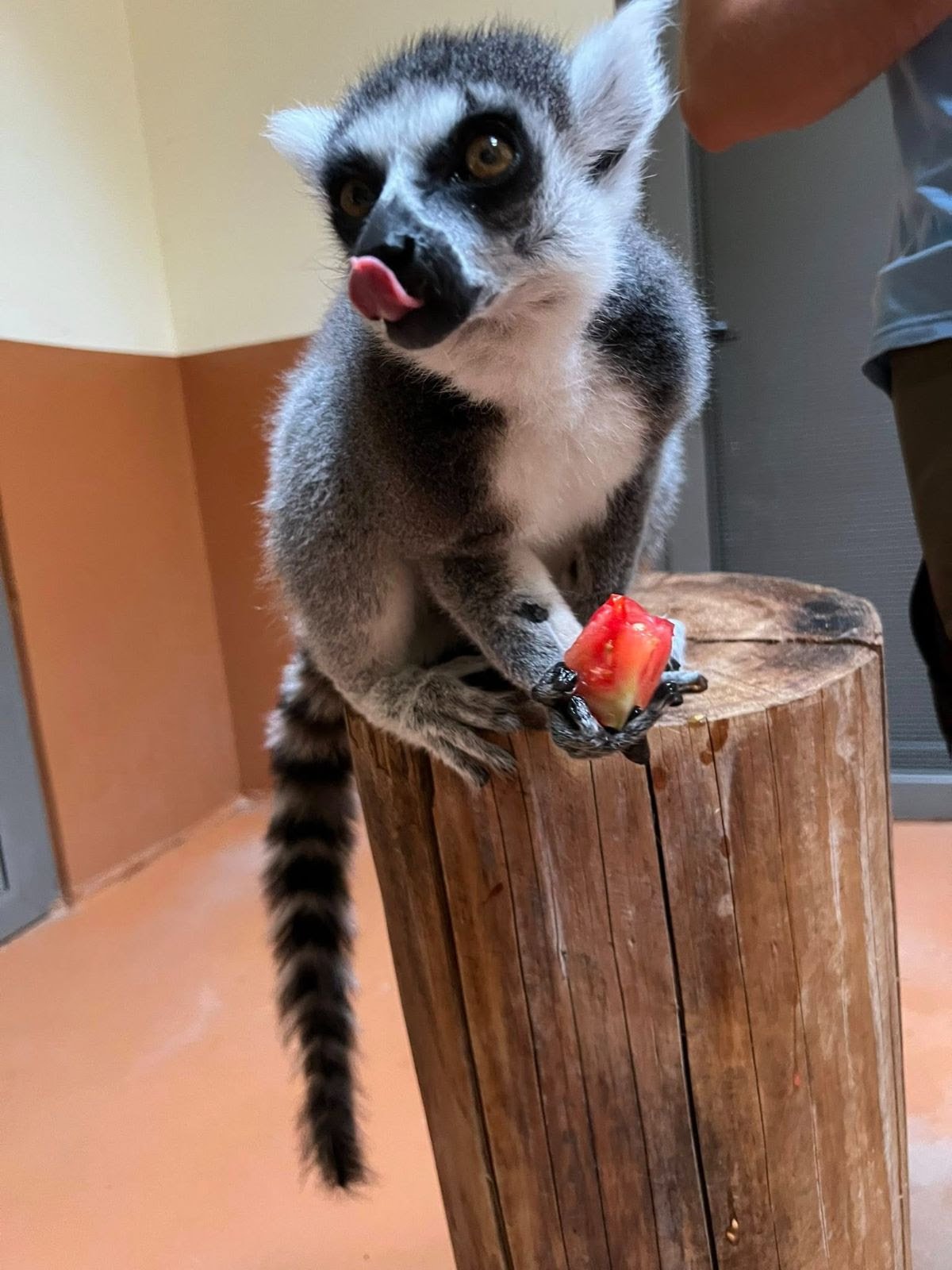
One of Christina’s main roles is assisting in the lemur walk-in enclosure. Guests step inside for a close encounter with the animals, and she interacts with them directly. On busy days, she speaks with over a hundred people. Even on rainy afternoons with lower visitor numbers, the conversations remain meaningful. Most conversations are in Croatian, while switching to English with foreign guests. Each interaction—whether lighthearted or more thoughtful—gives her a chance not only to practice language but also to connect with people.

Christina contributes to the ministry in Europe through multiple advisory roles, utilizing her educational and science expertise. She has also created a science and apologetics YouTube channel. From the outside, it would be easy to say her ministry activities are “enough” without spending her free time volunteering.

I have been trying to volunteer since I moved to Croatia. This is a great way to serve the local community, build relationships, and practice language. However, most organizations either want fluent speakers or volunteers who commit full-time hours. I helped with some local sporting events which were great but seasonal. I wanted something more consistent. When I saw the zoo’s request for volunteers in the lemur habitat, I emailed them right away and went through the information session and interview.
— Christina in Croatia

Cross-cultural living and service can be both joyful and exhausting. The simple things take time and energy they wouldn’t in your home culture. Many would not blame a missionary for spending their free time resting. Christina is an academic, holding a Master's of Science in Inorganic Chemistry, a Doctorate of Philosophy in Chemistry Education, and a Master's of Divinity in Christian Apologetics. She could easily lean into academic ministry alone, but God has given her a desire to choose something more.

That desire flows from Christina’s own story. God used science to draw Christina from atheism to faith, giving her a passion for science-based evangelism. That passion combined with her desire to volunteer placed her at the zoo and opened doors to a ministry pathway that has brought her joy and encouragement.

The gift of volunteering has been fruitful both ways. The time outdoors has refreshed Christina’s health and spirit. Watching lemurs leap or hearing children laugh reminds her of God’s joy and creativity, renewing her energy for the work ahead. In August, when many locals leave Zagreb for the coast or mountains and the city feels quiet, the zoo has provided community and connection. Conversations with caretakers and visitors alike have shown her how ministry often happens in ordinary, unscripted moments—whether feeding animals, answering a child’s question, or listening to a visitor’s story.

So no, Christina isn’t evangelizing the lemurs. But she is faithfully present—building relationships, practicing language, and embodying God’s love in the place He’s put her. That, after all, is the essence of ministry: faithfulness in the little things.

Wherever your work, hobbies, volunteering, or mistakes take us today, let us be expectant people! Expect God’s grace to be on display in all places. Christina’s story reminds us that ministry doesn’t always happen in traditional settings. Sometimes it looks like stepping into a zoo, a park, a sports club, or a community center—simply being present with the people God brings across our path.

A love for science brought Christina to faith and God has given her a vision for that same love to bring more people into the body of Christ. Perhaps her experience can spark reflection: Is there a creative way you could use your own gifts and interests to connect with others and show God’s love in everyday life?

Ministry Pathway: Garden Club in the UK

In the heart of a grey UK city, something green and vibrant is taking root. A small but dedicated group of internationals gathers weekly—not just to grow food, but to grow community.

The initiative began with Melissa, a Pioneer with a green thumb who moved to the UK seven years ago. Like many newcomers, she found it challenging to connect with others in a meaningful way—especially across language barriers. Conversations over coffee often felt stilted and pressure-filled, particularly for those still learning English.

“I thought gardening might be a way to get to know people more naturally,” Melissa explains. “In the garden, silences aren’t awkward—everyone’s focused on something tangible, something productive. There’s less pressure to perform in conversation, and more space just to be together.”

That vision became reality when Melissa launched a weekly garden club. Each week, 5–10 internationals meet at a local café and then work in the garden behind it. They begin with hot drinks and a homemade treat—often using ingredients they've grown themselves—before diving into the day’s plan: planting, watering, harvesting, and learning something new about the plants.

From its early days, the garden club drew interest through the local council, who promoted it to asylum seekers and refugees eager to practice their English in a relaxed, hands-on setting. Others joined through community connections, word of mouth, or casual visits to the café. The café is home to a community center that offers ESL classes as well as other activities.

The gardening group was multipurpose from the beginning. “I wanted to create a space where people could experience growth,” Melissa says. “When you feel like nothing in your life is changing or getting better, it can be powerful to see something you planted begin to grow. It’s healing in its own quiet way.” Many participants have fled hardship in their home countries, are navigating trauma, dislocation, and the steep learning curve of a new culture.

Melissa was transparent from the start that she had no formal gardening expertise—just a desire to learn and the memory of helping her mom in the garden as a child. “I told our first group not to expect an expert—we were going to learn together!” she laughs. Fortunately, another international volunteer with planting experience joined that first year and helped lay the groundwork. Local primary schools even donated seedlings grown by students.

The garden itself transformed with the seasons. Tiny seeds became lush plants, drawing bees, butterflies, and curious children from the café. The garden provided a vivid picture for Melissa through the harsh process of church-planting: “Even when it feels like nothing is happening, God is working behind the scenes—just like those roots growing deep before any green shows.”

Among the garden’s highlights? Sunflowers. “They’re easy to grow, dramatically tall, and follow the sun,” Melissa notes. “At the end of the season, one head can hold up to 1,000 seeds—if the birds don’t get them first!”

Outside of the garden club, friendships began to blossom. Volunteers began meeting on their own for walks, flower shows, or simply to share a meal. Many started growing plants in their own windows, bringing a piece of the garden home.

Melissa balances the garden club with other ministry roles at the community center as the seasons fluctuate through the year. She helps lead English classes, Bible studies, and supports the café. Though she had to pause some responsibilities to take on the garden, she found the trade-off worthwhile. “It fit my role with refugees and asylum seekers, and it matched my own interests better than some of my other commitments. It was sustainable,” amidst the ups and downs of ministry.

Looking ahead, Melissa hopes to see more international volunteers take ownership and infuse the garden with the richness of their own cultures—through crops, recipes, and shared leadership. She also dreams of deeper connections with local gardening communities to bridge cultures and foster understanding.

Pioneers teams in the UK are looking for individuals interested in ministry pathways that engage hands and hearts like the Garden Club has. Perhaps you have skills or passion to join those seeking to cultivate connection, resilience, and beauty through Jesus in unexpected corners of European gardens.

Ministry Pathway: Art Show in Italy

“Last summer, I fasted.  I asked the Lord to speak to me about the gift of creativity He gave me that I hadn’t tended in years.  In the process, He answered and was with me.”

Hollie is an American living in Florence, a recovering artist, and a Pioneer seeking God’s heart for His church in Italy. She always knew she’d live in Europe, but didn’t predict the way art would give her a voice in Italy over the years.

In December, Hollie was invited by a local church to do a solo art show. Nuova Vita Downtown Bologna hosts an annual show spotlighting a different visual artist each year. When Hollie was invited, she was visiting the States and had no artwork in progress. She returned in mid-January, was sick for weeks, and worried whether she would have enough work for the show.

“It was an honor they asked me, especially as a recovering creative just getting back into artmaking.  I love how this church understands the arts - and in particular the visual arts - are a language everyone speaks and is a beautiful means to connect with others who may not ever enter a church.”

As members of the community gathered and mingled, they were welcomed and invited to engage with a diptych Hollie had done of a paper bag and a carafe. There was a concert, a short gospel message and, of course, some food and drink.  When the show began, it was clear Hollie had the right amount of artwork and anything more would have been too much. The Lord showed Hollie her work was perfectly sufficient and that He is, too.

“One of the works I sent in for the show was a cube drawn in pencil… It’s a basic building block for everything and certainly not “show-worthy” but I brought it anyway.  And would you believe –a man who was invited by a church member was quite taken with it and the explanation I gave. Between that conversation and an interview where I shared my thoughts on the diptych, this man decided to start coming to church.”  

Hollie loved art from a young age and God used its hold on her life to create a pathway for knowing Him. Art was her safe space through mentally and emotionally dark teenage years. She struggled with the general education requirements of American study programs, so she opted to attend art school in Europe. She landed in Florence for the first time where she studied for two years until 9/11 happened and the world changed.  

“My mother jokes that I was born with a crayon.  I fell in love with Michelangelo and the Renaissance at twelve and painted part of the Sistine on my bedroom wall with house paint at fourteen.”

“While I physically came back to Texas, I always said I left my soul in Florence and tried to return every year for the next decade.  During this season, I quit painting seriously and merely dabbled when I had time, as a single mom trying to survive. In July 2011, I began a spiritual workbook to recover creativity called The Artist’s Way.  Part of the (workbook) program is to do stream-of-consciousness writing first thing in the morning. In that process, I learned my love of Italy was holding me back in a lot of ways - it was idolatry.”

At the time, Hollie didn’t know the Lord and couldn’t identify art as an idol. She began a process of saying goodbye to Italy, writing a letter to Florence and officially letting go of the attachment. The Lord saved her the very next day.

I literally had to make room in my heart for Him.

As an early Christian, Hollie read Francis Schaeffer’s How Then Should We Live and began the ongoing process of forming a vision for arts ministry. The constant practice of starting, stopping, failing, and starting over has given her countless moments to process with the Lord and shape her vision for ministry.

Hollie is now passionate about Christians making art in new and adaptive ways, not necessarily focusing on Scripture or overtly religious themes. She is practicing and leading others to worship God through excellence in their art, no matter what the motivation or message of the piece may be.

“I can tell you as someone who has been a shadow artist their entire life… in trusting your talent to the One who gave it to you, there is a profoundly beautiful gospel message in learning how to see and how to see well.”

The road ahead for ministry through Hollie’s art has countless possibilities. She is inviting Christians to join her in this process of Christian art. She loves the process of recovering creativity, pursuing academic art professionally, and finding the voice God gave her as she reenters the art world. She hopes to gather believers and nonbelievers together to create, talk about art, and discuss real parts of life.

“I would love to train people how to talk about art as a means of connection and gospel truths.  We can go to draw or meet in small groups to engage those around us. Ideally, I see creating a rhythm of going to museums and in time, creating a growing community who meets afterward to discuss what we see… that may even become a church.”

Hollie would like to build a team to do this in Florence. Perhaps you or someone you know would be well-suited for this ministry in Italy. Perhaps her story has sparked ideas about pursuing innovation and flexibility on the mission field in Europe. If her journey resonates with you and your affection for art could lead you to join Pioneers in Europe, commit that vision to God in prayer and connect with us below.

Ministry Pathway: Cafe Connections in Spain

A Pioneer moved to Spain two years ago with a love for coffee and conversation. Lauren quickly developed a vision to use those loves on the mission field.   Over the last few years, she has stewarded her love for coffee along with her native language of English to welcome and serve people at a café some colleagues run in the city.

“Brilla (the cafe) has been a place that ‘feels like home’ for many. It’s where I’ve met my closest friends and it has given us the opportunity to invite people in the community to encounter the presence of Jesus that ‘brilla’ (shines)” – Lauren, Pioneer in Spain.

Each week, people from different regions of Spain and neighboring countries venture through the café. During the day, they serve specialty coffee, and when the café is closed, they open the doors for English conversation classes. The café serves as a place of peace for people to meet, whether they come for the coffee or the English.

Before Lauren moved to Madrid, God gave her a vision for expanding her coffee knowledge and ministry experience. She attended a training school focused on specialty coffee and its use in ministry. She developed this skillset with a specific vision for how God may utilize it for church-planting in Spain.

Lauren was born in the USA and grew up speaking English. She was exposed to other cultures and languages but was schooled, raised, and discipled in her native language. She never pictured speaking English as the tool that may open doors for disciple-making in Spain. 

English fluency is a tool that many American & British-born missionaries get to steward amongst the nations in a unique way.

“I have now lived in two different unreached areas of the world where people begged me to spend time with their children and just converse in my native language because I grew up in an English-speaking home in the USA. It’s certainly a privilege I never thought about being paid for. I’m not a trained teacher but they just want me to speak comfortably and have conversations about various funny topics. It’s been an added joy to my life on the field” – Hannah, Pioneer in Europe.

Teaching isn’t the best ministry pathway for everyone as not everyone is a trained or gifted teacher. Global Christians have all been given specific abilities to steward for the growth of the kingdom. For some, that includes teaching or utilizing your native language. Pioneers in Europe are praying for ways to “use whatever gift you have received to serve others, as faithful stewards of God's grace in its various forms” (1 Peter 4:10). Lauren and her colleagues’ willingness to steward what they’ve been given, English fluency and after hours at the café, has opened doors for great discussions and friendship.

Each week, the conversation classes have a different theme ranging from “Family and Work” to “Religion and Spirituality.” As the classes progress each week, the topics get a bit deeper and more difficult in vocabulary. The students are exposed to a variety of topics and words, allowing room for conversations about life, values, and spiritual things.  

“It’s a super natural way to get to know people from the community, and as the Spirit opens doors, we get to share our faith and the good news of Jesus with them, all over a good cup of cafe con leche” – Lauren, Pioneer in Spain.

What gifts have you been given or have you developed in your own preparation for the mission field? Do you have a love for coffee? Spain may be a great place for you to consider joining a church-planting team.

Ministry Pathway: Wrestling in Portugal

A Pioneer in Portugal fell in love with wrestling at a young age. He now gets to use that love to meet friends and share the love of Christ as he serves on a church-planting team in Lisbon.

Tommy fell in love with wrestling at first sight. It was a special day in kindergarten when they headed to the gymnasium for an assembly and he was shocked to see two guys fighting on the stage. He was captivated by the way they moved with elegance and power.

Tommy ran home to share his new enthusiasm and wrestling moves with his dad. His parents immediately put him in wrestling and it became a pillar of his childhood. He loved everything about it. He loved learning from his coaches, trying new techniques, and trying to make his body move with a combination of explosiveness, speed, purpose and control.

Tommy continued wrestling until a series of injuries abruptly ended his wrestling career in college. He was devastated. In the midst of that devastation, Tommy noticed God had kindly surrounded him with a few new friends who were always talking about Jesus. They were confident in their identity and seemed to talk about God with the same passion Tommy thought about wrestling. He joined them at their church one day where people showed genuine interest in him.

“There were people asking my name, what I do for fun, people genuinely interested in me. They were asking what I thought about the passage, they were people genuinely caring for my heart.”

God opened Tommy’s eyes to the Gospel through the meek, genuine love of his church. “God took wrestling from me and made Himself my deepest desire. He graciously caused me to repent of my sin and believe the Gospel. He reordered my heart and saved me from pursuing a perishable wreath of temporary, ever-fading false glory.”

That same community and Tommy’s girlfriend at the time (now wife) challenged him to use skills he’d learned through wrestling to disciple kids. He suddenly saw an opportunity to teach wrestling’s discipline, suffering joy, and work ethic on the foundation of God’s Word.

He became involved with high school teams in the States and saw God bring fruit on and off the mat. When Tommy and his family moved to Portugal a few years later, he remembered how God had used his experience and love for wrestling and wondered if there was opportunity to do something similar in this new city. He found a wrestling club, assuming he would pursue the same kind of role he had as a high school coach: teaching, mentoring, challenging and ultimately discipling young men to follow Jesus.

Tommy got to practice and noticed everyone was older than expected, 18 to mid 30s. He asked the coach how he could help and the coach in turn asked if he would compete. To Tommy’s own surprise, God led him to say yes and opened the door to a new community where he could extend the same Gospel love that first attracted him to Christ back in college.

“It really was as simple as that, I continued to show up to practice, train hard, share my knowledge of the sport, and be genuinely interested in my teammates, asking them questions about what they like, about their family, about what they believe, just like that first church I went to with my friends.

This became a regular rhythm for Tommy as he learned language and culture in a new place. He faithfully showed up and engaged everyone at practice and over time, God gave room for spiritual conversations.

“As we stretched after practice, there would be really good questions and conversation about our beliefs, questions about the world and evil and suffering…countless opportunities to share that God loves the world, that we are sinners and choose ourselves over God and it results in broken marriages and child abuse and so much evil we see all around us...”

When Tommy took a step back (literally), considered how he could steward the experience God has provided him over the years, and gave a yes to the coach’s invite to compete and God’s invite to trust him, a new world opened up.

He continues to show up, train, and share knowledge with the club so that God would be glorified in this city, specifically on the mat. Tommy has gotten countless opportunities to share that passion for God with others and continues to pray for those seeds of truth to flourish in the young men’s lives.

“I have yet to see someone in Europe come to faith that I met through wrestling and at the same time I can also say that it is in wrestling, in the conversations while we are still dripping sweat and can barely finish a sentence, the conversations while we cool down and talk about life that I have seen God most clearly and directly reveal who he is to those people who do not have a relationship with Him. It is in those conversations that I have seen him communicate through me to people that don’t know him about his desire to restore the world to a perfect and beautiful harmony….and that is far more beautiful to me than anything I have ever seen.”

Pioneers throughout Europe are stewarding the skills and experiences God has provided them in response to God’s call to “go”.

Tommy’s willingness to steward his love and meekness on the wrestling mat has opened doors to share the Gospel with new communities in Portugal. Is this something you could do? What experience do you have that could be grafted into the work God is doing to build bridges and share His good news in Europe?

Ministry Pathway: Loving People with Disabilities in Kosovo

“People don’t do things like this for us.”

In a small town in a less known nation, a Pioneer in Kosovo introduced a new annual event, a “Night to Shine”. The special event is a complimentary event for people with disabilities hosted by local churches around the world.

 For the past ten years, the Tim Tebow Foundation has put on “Night to Shine” events all over the world. These events vary from country to country but all aim to communicate the love of Christ to populations that are often less celebrated. After Metta’s first trip to Kosovo with her family, she knew they wanted to bring the light of Jesus not just to local Albanian Muslims but also to local Albanians with disabilities.

Kosovar Albanians often hold an honor-shame worldview. They see honor of the family and the community as vital. Shame must be avoided in order to have and increase honor for you and your people. This worldview often leaves individuals with disabilities in a shameful light.

 “Each ‘Night to Shine’ event has the primary goal of communicating clearly to individuals with disabilities and their families that they are loved, valued, and have a purpose. That the God who created them loves them and sees them! That they are not cursed or shameful.”

Metta served alongside similar ministries in the States for 20 years. In February, she got to steward that experience and skillset to share Gospel love and light with Kosovar Albanians. In partnership with the local church, the Pioneers team gathered volunteers from across the country to collaborate on producing a “Night to Shine”.

Each of the 120 guests at “Night to Shine” were welcomed as VIPs as they walked the red carpet. The carpet was surrounded with signs that read, “God loves you!” and “You have value!”

“What a blessing it is to see someone walk down the red carpet, realizing that the people are cheering for them! The smiles we saw at that moment were priceless!”  

The remainder of the night is filled with dinner, dancing, limo rides, karaoke, and a crowning ceremony. Volunteers are recruited to serve the guests and their families, making them feel loved and creating a fun experience.

This is one of the many ministry pathways being used by a Pioneer in Kosovo. Are you interested in joining this ministry or doing something similar where you live?

Password: durrez38

Paris: The Most Populous and Diverse City in Europe

There are more than 2 million inhabitants in the city of Paris. That’s 52,200 people per square mile! There are 12 million inhabitants across the whole metropolitan area, making it the most populous urban area in the entire European Union.

Paris is considered the most diverse city in Europe. It is estimated that 23% of the population migrated to the city after they were born. 20% of Parisians are first generation immigrants and 40% of children in Paris have one parent who is an immigrant.

According to Joshua Project, only 1.23% of French residents are Evangelical followers of Jesus. There are 113 people groups in France and 37 of them are unreached. They include: Arab-speaking Algerian, Iraqi, Jordanian, Moroccan, Tunisian, Bamabara, Imazighen, Kabyle, Moabite, Rif, Southern Shilha, Western Cham, Gujarati, Iu Mien, Japanese, Khmer, Lao, Persian, South Asians, Tay, and Thai.

“How then will they call on him in whom they have not believed? And how are they to believe in him of whom they have never heard? And how are they to hear without someone preaching? And how are they to preach unless they are sent? As it is written, ‘How beautiful are the feet of those who preach the good news!’” (Romans 10:14-15)


270 Nations in London

In London, the capital of England and the United Kingdom, there are over 9 million people.

More than 270 nationalities speak more than 300 languages.

1 in 5 Londoners are Muslim.

Less than 5% of Londonders know Christ as Lord.

Pioneers workers here are engaged in ministry to Muslims and immigrants, as well as local nationals.

Men, women, boys, and girls from the ends of the earth have come to London. Will you come too?

The fields are diverse and plentiful. Come, labor in the harvest in London (Matthew 9: 37-38)

Basque Country Launch Team

Do you have a heart to see new workers grow and develop on the field to reach their full God given potential and thrive where God is planting them? We need people to join our Launch Team and help us to nurture, encourage, mentor and pray for and with new workers to the field.

Reach Refugees and Immigrants in Cardiff, United Kingdom

Do you have a heart for immigrants and refugees? If so, consider joining our team in Cardiff, United Kingdom. The PIONEERS team has partnered in gospel ministry for many years with churches in the city and currently five units are serving.

Leverage Your Passion and Skills to Reach the Nations in Madrid

We’re asking the Lord to send us workers with various passions, skills, and backgrounds to bring the light of the gospel to several people groups that call Madrid, Spain home.

Engage the Nations in London

London is an impressive city, rich with history, culture, and opportunity. The diversity of people who live in this city make it a dynamic place to meet people from around the world. Many of the nearly 10 million Londoners were born outside of the United Kingdom but call this metropolis home. 

London offers a unique experience for work, life, and the future. A 2011 census reveals about 40% of people living in London identify as Asian, Black, Mixed or another ethnic group. What if the nations who are already here were impacted by the gospel?

If reached they could have a lasting impact reaching their family, friends, and even those in their native country. People from every religious background and worldview are present in London. Often, they have never heard the gospel and do not have any friends who are bible-believing Christians. 

The social needs in London are also great, with crime increasing and the income gap widening. There is an opportunity for Christians to contribute to this conversation in a powerful way. Believers in Jesus can demonstrate the way of Jesus, by seeking to put others before self with love.    

The challenges are present in London, but so are the opportunities to see God’s kingdom grow. When people hear the truth and believe they can begin to understand who God is—that He made them for a relationship with Himself. 

Consider the following opportunities to come alongside what God is doing in this city:

  • Engage the community: Come and work to develop relationships with Muslims and their children through English classes, music lessons, and community events.  

  • Help to Plant a Church: New churches are being established in London and more are needed to share the love of God. Come learn how to plant a new church by working with others who are already here. Join a church planting training and see what God is able to do. 

  • Reach the Unreached: Practice the art of sharing the gospel with a goal of developing a relationship in mind. Ask powerful questions and encourage people with the truth that God loves them. This is challenging, yet God is able to open hearts. He is able to use our obedience in sharing to bring about the miraculous.


Would you be willing to bring your passion, gifts, and experience to reach the nations in London?

Plymouth: City of Pilgrims, City of Gospel Opportunity

IMG_4055 (Large).jpg

Once upon a time, to meet Syrians, Iranians, or any other group of people for that matter, it required traveling to their respective countries. In our increasingly globalised world, this is no longer the case. Today, people from many corners of the world are now living on our very own doorsteps. This is an especially exciting opportunity for the advancement of the gospel, which can now more easily be shared amongst unreached people groups, those previously with limited to no access to it. The southwest of the U.K. is one of these areas. 

2017-03-17_13-06-49_321+%28Large%29.jpg

Four centuries ago, hundreds of Pilgrims boarded the Mayflower and set sail for the “New World”, arriving as immigrants to a foreign land. Today, immigrants from many corners of the world are arriving to the city the Pilgrims once departed from, Plymouth. Plymouth has become a receiving city for refugees and asylum seekers, a city of refuge for many displaced from their home countries. As a small city of about 260,000, these new people groups are becoming increasingly more visible amongst the Plymothian crowds. Though there are many practical resources and aid programs to help refugees, asylum seekers and their families, there is very little strategic focus from the local church community towards meeting their spiritual need of a Savior, Jesus the Messiah (Isa al’ Masih). Plymouth is arguably a couple of decades behind places like Manchester where a significant percentage of the population is from the Arab world, but imagine if the church in Plymouth and the southwest of the U.K. were equipped now to befriend their new foreign neighbors as more and more unreached people groups move into the area? 

The vision for Plymouth and the southwest of the U.K. is to bridge the gap between the church and these unreached communities. Many local churches have a heart for the nations (Mt. 28:19-20), but lack the vision and resources to know how to bring the gospel across cultural and linguistic barriers. Our goal is to make friendships amongst the many unreached nations in our area whilst simultaneously coming alongside local churches to equip them to do the same. One statistic suggests that more than 80% of all non-Christians (this including Muslims, Buddhists, and Hindus) don’t even know a Christ-follower (Center of Study for Global Christianity). Imagine if local believers were intentionally pursuing cross-cultural friendships! By God’s grace and leading, this statistic could be made history. 

2019-03-28_16-02-14_800+%28Large%29.jpg

In partnership with an international language school and a network of local churches, ministry partners and team members in the southwest of the U.K. will have opportunities to both make cross-cultural friendships amongst the refugee and asylum seeker communities and offer training and resources to local churches with hearts for the nations on their doorstep. Some outreach opportunities include leading English conversation clubs to refugees and asylum seekers, extending hospitality, and facilitating Discovery Bible Studies with spiritually interested people in their heart languages. Ideally, each partner or team member will also be actively involved in one of a number of local churches. Through these local church connections, partners and team members can then cast vision for the unreached nations on our doorstep, whilst offering various training and resources to equip the church to begin to make cross-cultural ministry an organic part of how the church functions, therefore, bridging the gap between the church and the unreached nations amongst us. 

Is the Lord calling you to join Him in what He is doing here in the southwest of the U.K.? Are you ready to bridge the gap and help bring the gospel amongst people previously without access to it? Whether you want a short-term, long-term, gap year, or taster experience as you explore longer-term service, come to us! Get experience ministering in English, doing practical cross-cultural ministry outreach, pursue TESOL certification, supporting the local church, and join us in this exciting adventure the Lord has us on!


Croatia Roma Church Planting Team

Croatia Roma.jpg

We are looking for people who would like to form teams to minister to the Roma villages of the region. We are currently looking for people to join the workers in Sisak, Croatia. We have done seasonal ministries there for a number of years and this village is very open. We have nationals and others ready to also work there.

We have done a number of children's bible clubs, tween/teen bible clubs, family bible studies, and yearly camps and carnivals. We have also recently purchased land for a ministry center which will be a home, a church, and a training center.

You can learn more at our website http://romachristianfellowship.org/en/


Croatia Roma Bible Translation Team

Croatia.jpg

Our passion is that the Roma Gypsies of former Yugoslavia will exalt Jesus using the Bible in their mother tongues!

We are working with five Roma (Gypsy) people groups: Bayash, Ludari, Arli, Gurbet and Chergash who live in Croatia, Serbia, Bosnia, and Montenegro. The total population is very hard to gauge but estimates are between 50,000 and 300,000 speakers of these languages.

There are lots of opportunities to use your skills and training. We currently have needs for the following types of workers:

Bible translators: We need trained translators to help with the process of Bible translation into these 5 languages.

Language surveyors: These workers would visit Roma (Gypsy) homes in villages and cities around former Yugoslavia to survey which languages are spoken where.

Literacy workers: These workers would teach both children and adults to read in their Roma languages.

Linguists: These workers would analyze and learn a Roma language and develop a dictionary, grammar and reading primer.

Scripture Engagement: These workers will visit Roma homes in villages and cities and encourage the Roma to listen to and, if possible, read the Scriptures that have been translated. This will include use of audio Scripture, Internet sites and apps.

Web, app, tech, and design: These workers will put the translated Scriptures on the web and into apps, and maintain the sites and apps.

Media and distribution: These workers will use social media, web sites and distribution of printed materials to encourage the use of translated Scriptures.

Project managers: These workers would manage the myriad details of shepherding a translation project through each step from beginning to end. These workers must be very well organized, like details, and work well with other people from different nationalities and backgrounds.

You can find tons of information at www.toddlprice.com